JEANNE LIOTTA
PROGRAMME 2
Domus | Saturday June 6th | 7:30 pm | Free entry to all venues until full capacity. It will not be possible to enter the venues after the screening has started.
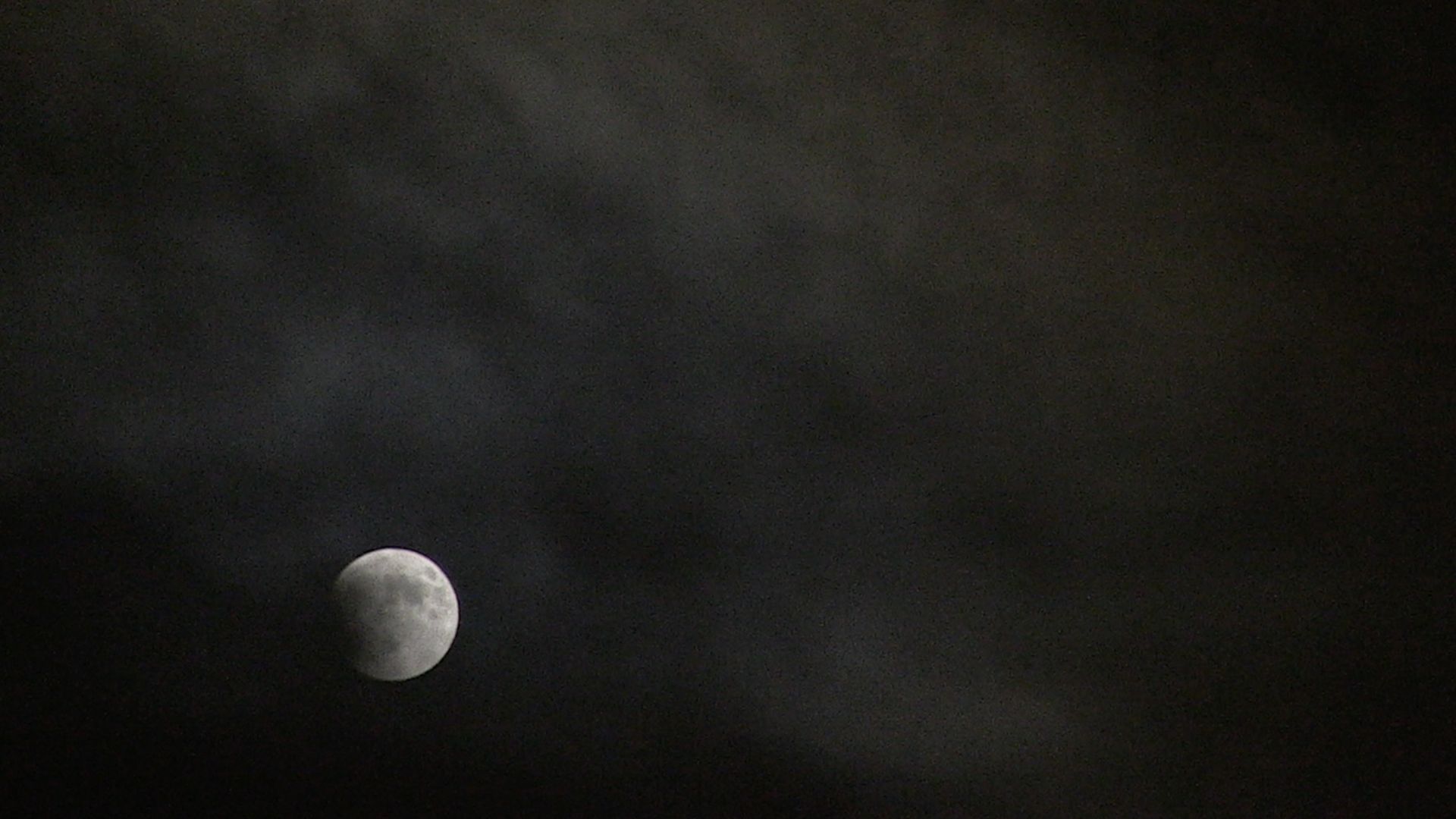
Moonplay (after Marie)
Jeanne Liotta | 2015 | United States | Digital | 1 min
A lunar eclipse totality from my NYC rooftop, 27 September, 2015. Like Marie Menken’s “Moonplay” section of her lovely film Notebook (1963), though this film may be too tiny or obvious to even mention but it is also one of my favourite children.
(Jeanne Liotta)
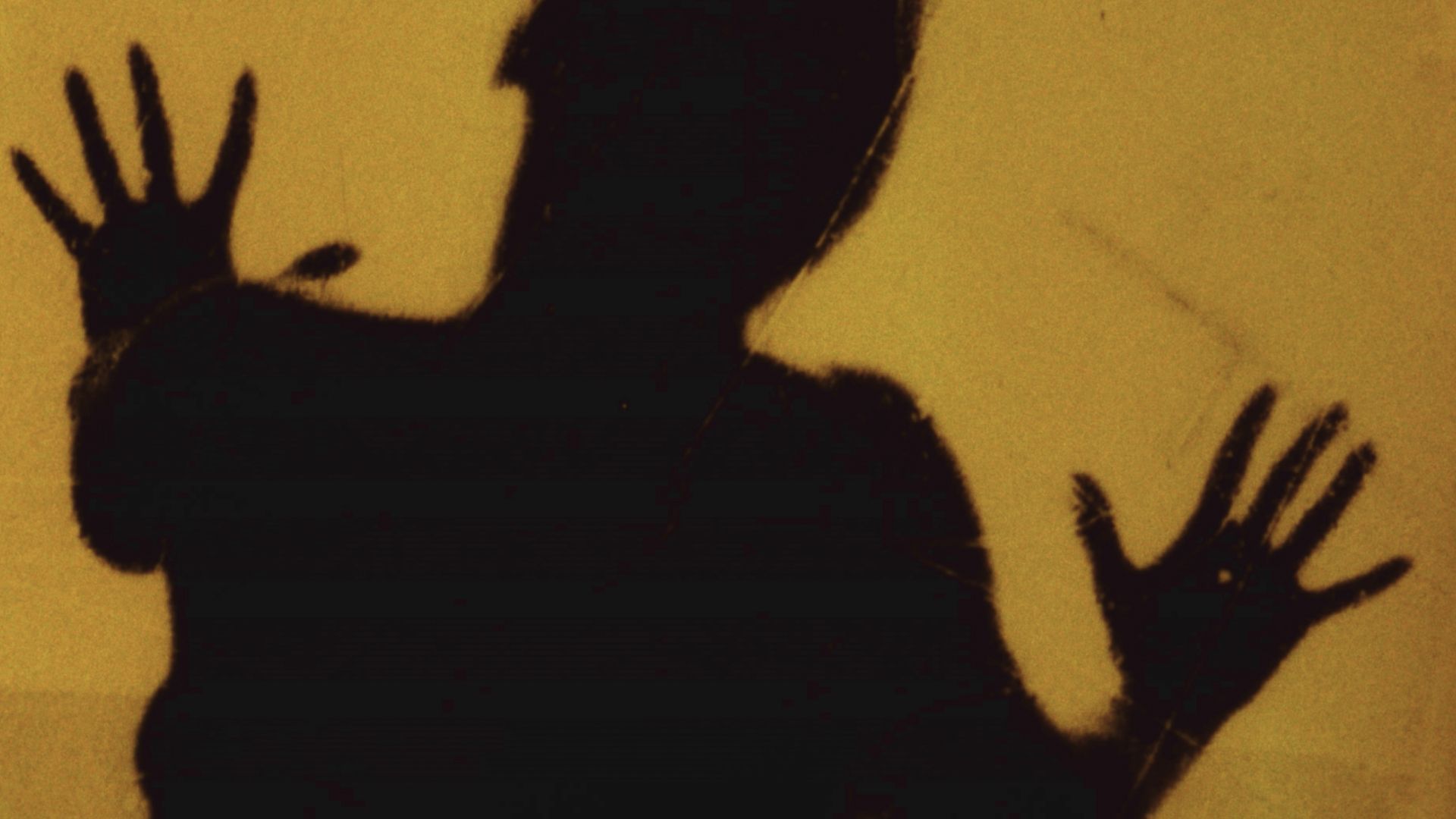
Loretta
Jeanne Liotta | 2003 | United States | 16 mm | 4 min
An abstract moving rayogram in the form of a woman or an aria. Living in time experienced as high drama, dissolving into the infinite. A dialectical manifestation of phenomena in flux, like any other movie.
(Jeanne Liotta)
“I love that which dazzles me and then accentuates the darkness within me.”
(Rene Char)
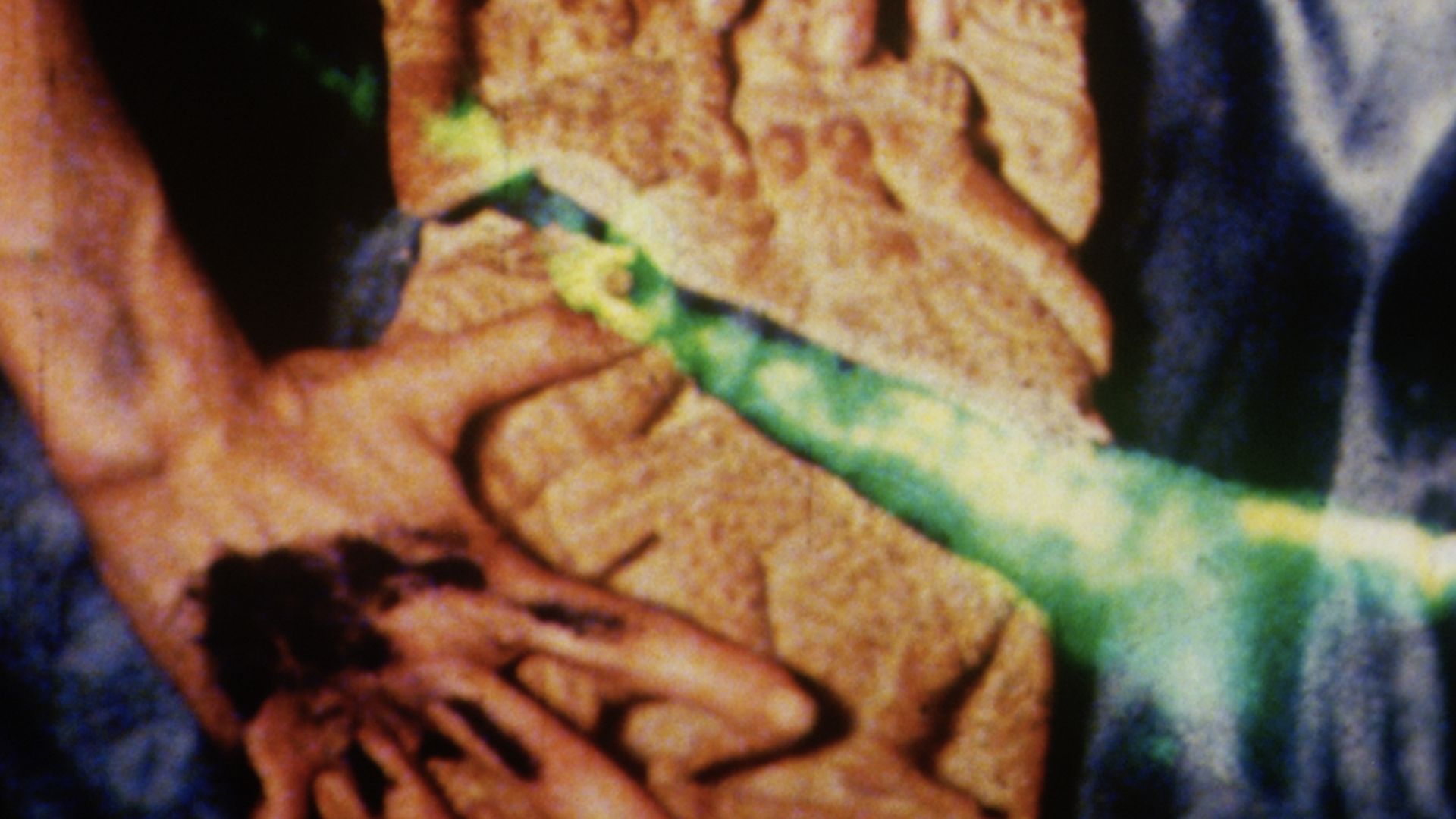
Blue Moon
Jeanne Liotta | 1988| United States | Super 8 to 16 mm | 3 min
Erratic, erotic, arrhythmic lunar trauma. Strong poetic textures of female psycho-sexual experience, altering the film’s surface through selective bleaching and scratching, and uncanny percussive editing. This was my very first film made for Owen O’Toole’s Filmers’ Almanac, an international collaborative project inspired in equal parts by Hollis Frampton’s Magellan cycle of films and the cassette music underground. Each contributor was asked to choose a specific date from the calendar as an organizing principle; ideally the project would be complete at 365 films. I chose the date 30 May 1988, which was the night of the blue moon, and included both diary and iconic imagery reflecting my current obsessions and fluxes of my private life. Forever indebted to Carolee Schneeman whose life and work opened up the space for me to approach my own.
(Jeanne Liotta)
Muktikara
Jeanne Liotta | 1999 | United States | 16 mm | 12 min
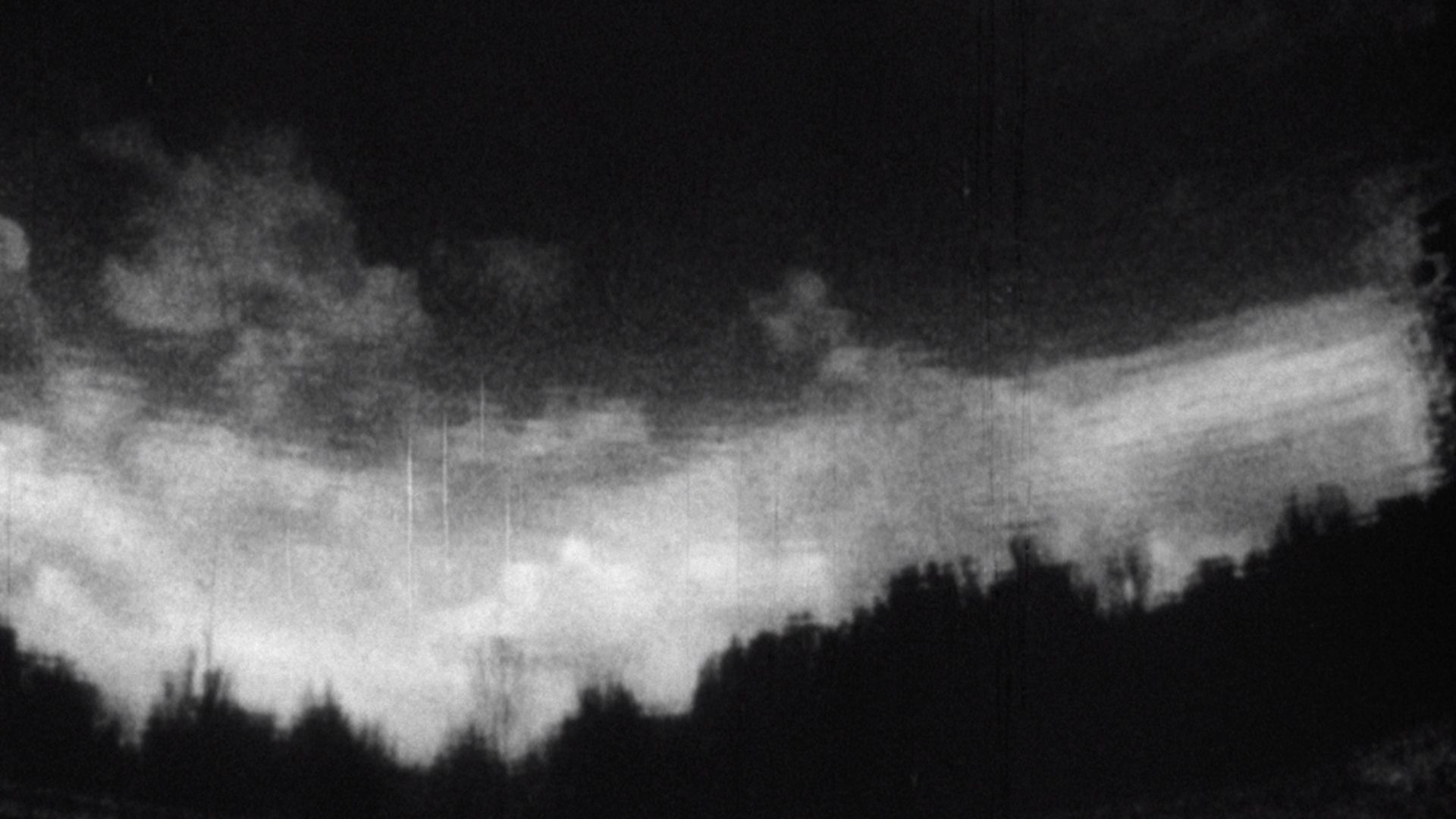
From the Sanskrit, “gentle gazing brings liberation”, the title is also the name of the particular body of water which is the image-subject of the film. Landscape as inscape, not inertly present but beckoning an active perception; a seeing and a seeing into.
(Jeanne Liotta)
“As if my eye were still growing”
(Gerard Manley Hopkins)
Observando El Cielo (Observing the sky)
Jeanne Liotta | 2007 | United States | 16 mm | 17 min
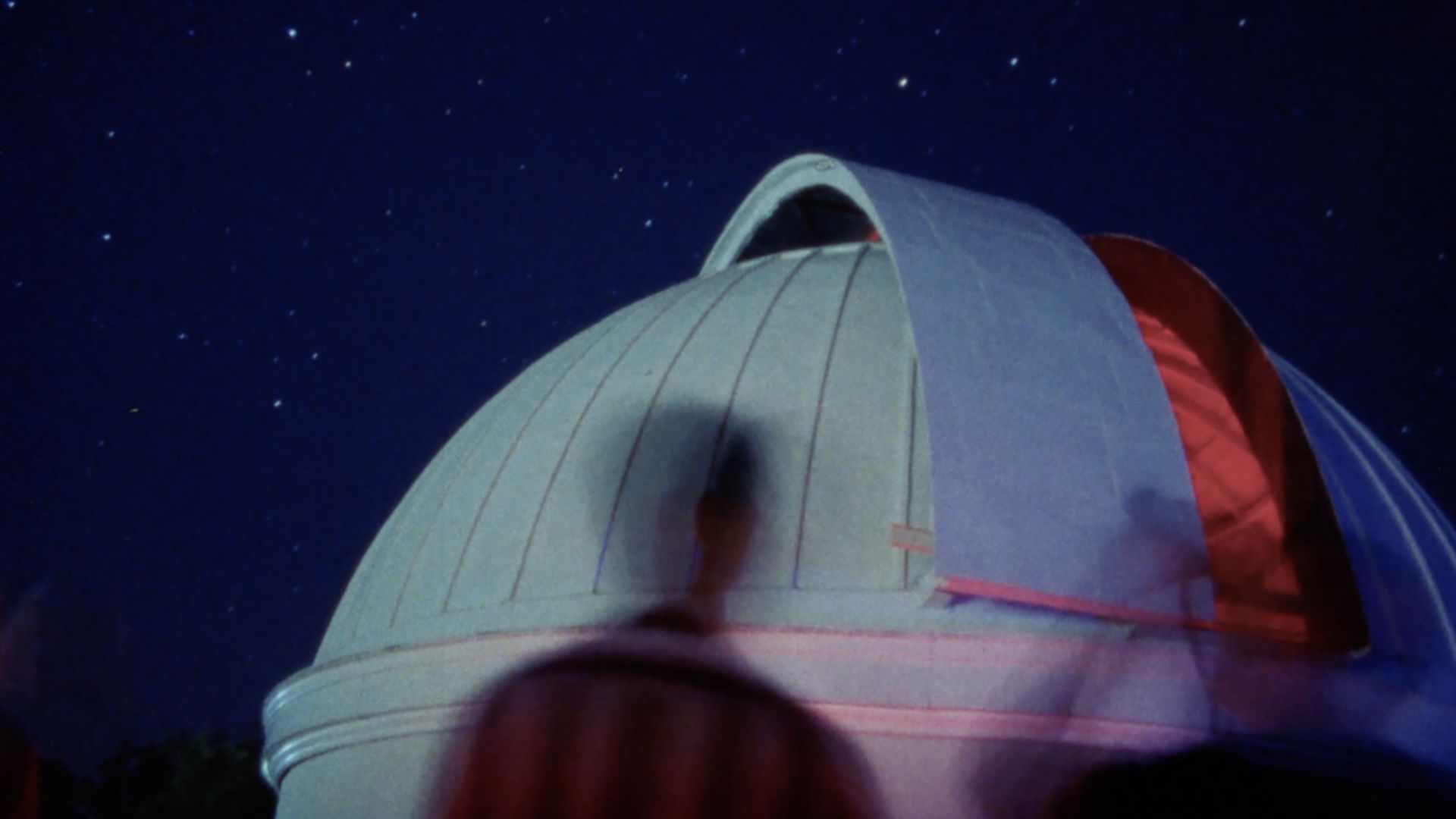
Seven years of celestial field recordings gathered from the chaos of the cosmos and inscribed onto 16 mm film from various locations upon this turning tripod Earth. This work is neither a metaphor nor a symbol, but is feeling towards a fact in the midst of perception, which time flows through. Natural VLF radio recordings of the magnetosphere in action allow the universe to speak for itself.
Eclipse
Jeanne Liotta | 2006 | United States | 16 mm | 3 min
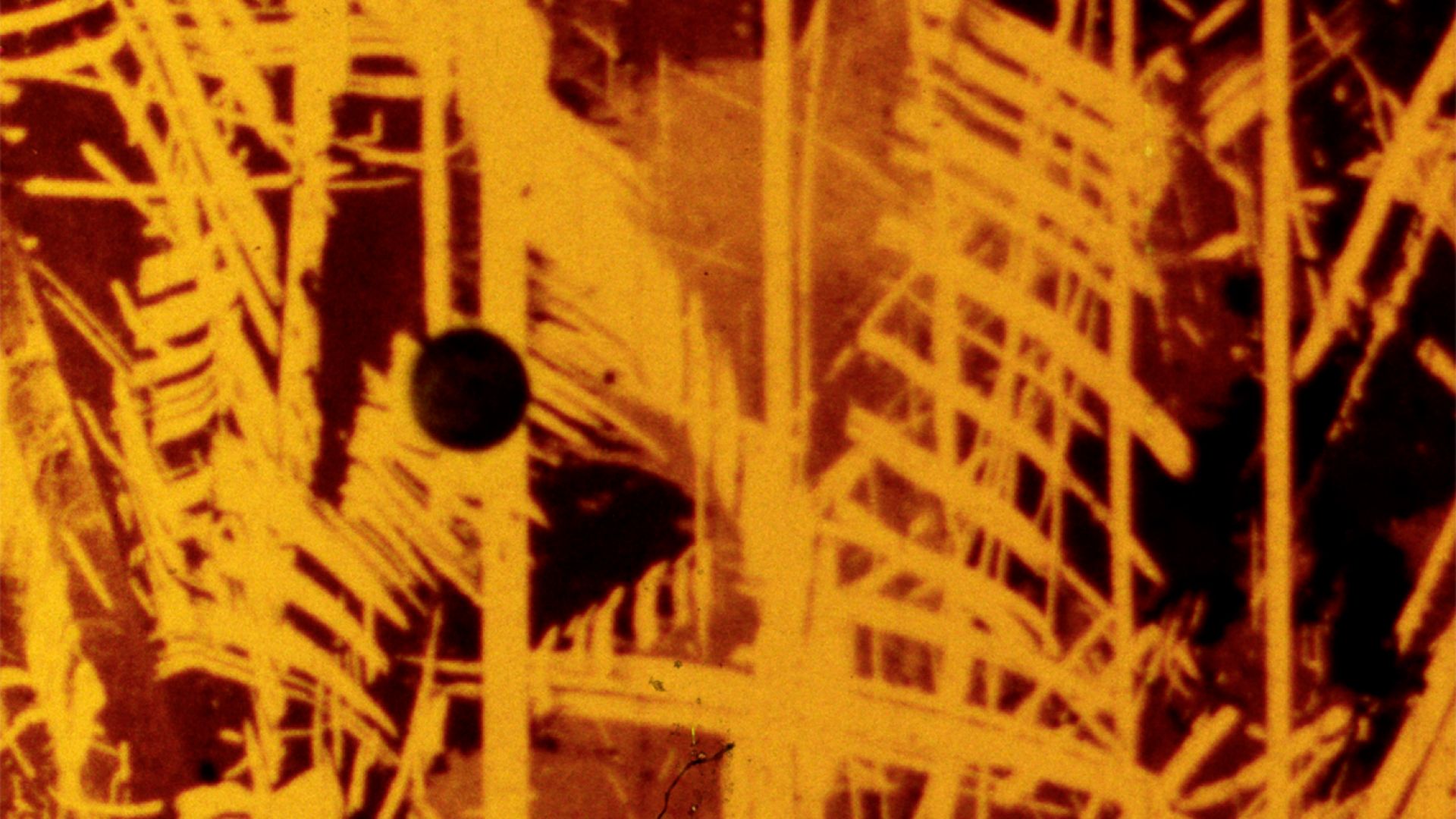
The lunar eclipse event of November 2003 is observed, documented, and translated via the light-sensitive medium of Kodachrome film. In the 4th c. BCE Aristotle founded The Lyceum, a school for the study of all natural phenomena pursued without the aid of mathematics, which was considered too perfect for application on this imperfect terrestrial sphere. By eye and hand then, in the spirit of.
(Jeanne Liotta)
Affect Theory
Jeanne Liotta | 2013 | United States | 2 × 16 mm performance | 10 min
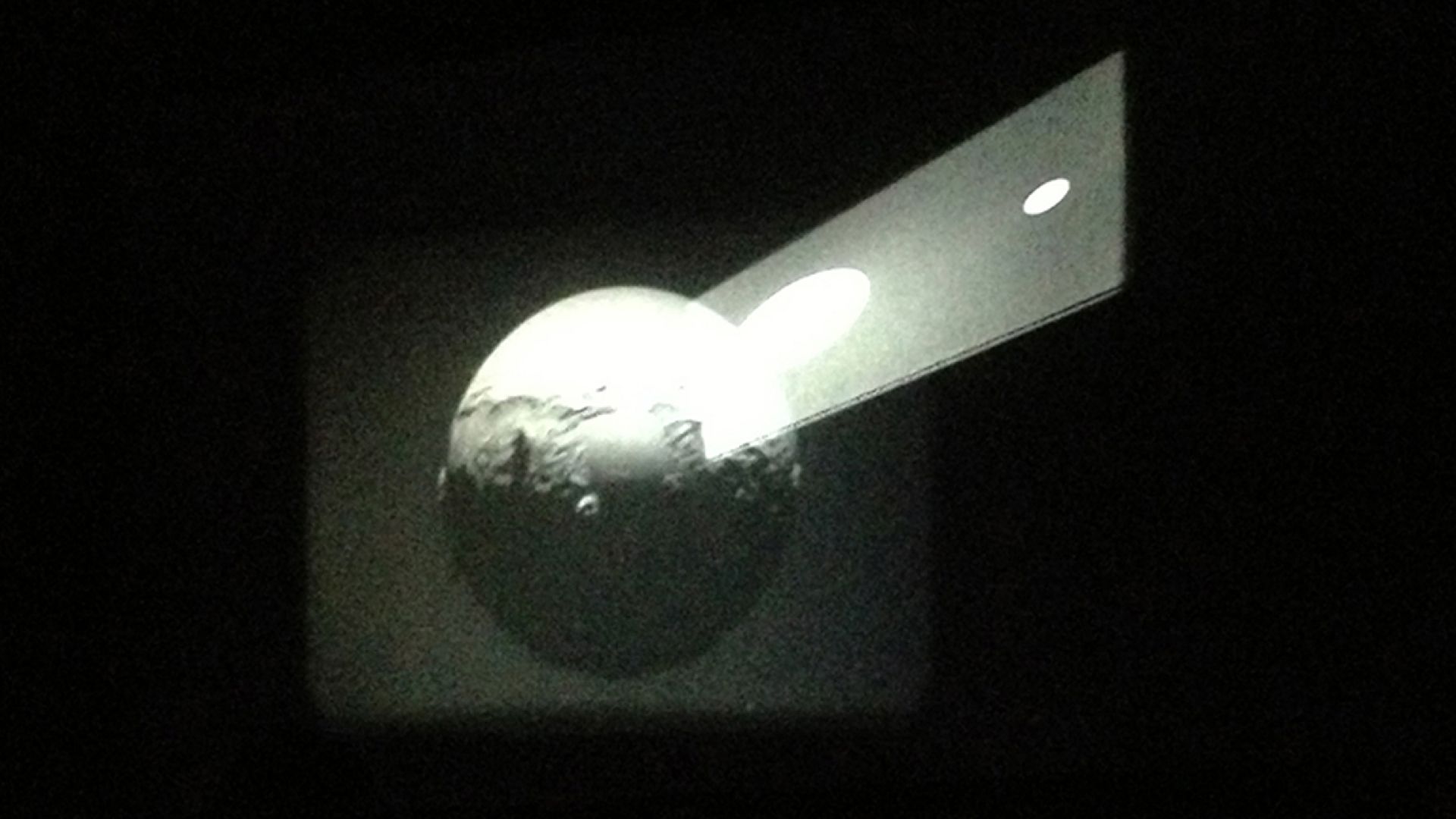
A complex refrain for two 16 mm projections in planet and satellite positions, with Cole Porter variations.
(Jeanne Liotta)
JEANNE LIOTTA
DISCOVERING THE UNIVERSE
How might Galileo Galilei have felt in his day when he perfected the telescope and was able to observe celestial bodies? Four centuries on, all of the accumulated scientific knowledge does not cancel out the overwhelming feeling that direct contemplation of the stars can bring, the feeling that overwhelms us when we discover the world by experiencing it directly. This is how Jeanne Liotta puts it: “Discovery is happening all the time and it can be personal. If I discover something for myself, it still feels like an authentic discovery”. And that is how, whatever the subject matter her cinema deals with, it begins with a careful, prolonged observation of her subject of study, which then materializes in films that truly arouse that feeling of discovery among those who watch them.
Jeanne Liotta, a New Yorker, studied theatre and immersed herself in the creative scene of 1980s New York, where collaboration, do-it-yourself, and the chance to express oneself in any artistic form or language were fluid and open. Liotta played drums in a band, was a life drawing model, worked in theatre companies such as Gargoyle Mechanique and The Alchemical Theater Company, and also delved into photography. From then on, she gradually made her way into film until she completed her first movie, Blue Moon (1988), which we will be able to see in this programme. Although years have gone by since then, during which Liotta has built up an extensive, prolific artistic and educational career, that spirit of formal freedom still prevails, guiding her to work on installations, performances, collages and all kinds of artworks with no limits. While the films and performances we will see in this programme concentrate mostly—but not exclusively—on the “scientific” side of her work (which also covers research such as Climate Fictions (1–4) [2017–18], about a dystopian vision of the Earth’s climate future), it is important to point out that this is not the only form that her interests and observation of her surroundings have taken; she has also worked in more documentary/ethnographic registers in works such as Crosswalk (2010), and used poetry as a basis in the case of films like Dark Enough (2011).
Communicating a discovery does not necessarily involve filming it. That is what Liotta addresses in Path of Totality (2017), a performance that opens this year’s Mostra, focusing on recreating the sensation of an eclipse in a cinema hall without using any photographic images. The projector’s beam of light, manipulated in various ways, is what leads us to the experience, and to the awareness of our smallness compared to the immensity of the cosmos and its events, which shake the earth.
Connecting with Path of Totality and with this year’s theme (eclipses), the second session opens with a short film, almost a haiku (a poetic form that Liotta has drawn upon in other films), entitled Moonplay (after Marie) (2015). After starting with the moon, we descend to Earth in order to try to link the effects of the stars on the planet to those inhabiting it. First, we sense a human form in Loretta (2003). Made using the rayograph technique, the film can almost be seen as an intense yellow sunlight that flows over us, into which the dark silhouette of a woman’s body is interposed, thus evoking once again an eclipse. A body materializes in Blue Moon (1988), a film that could seem almost like a spell. The film was made on a “blue moon” day, which is a rare astronomical phenomenon when there is a second full moon within the same calendar month. A woman under the influence of that moon is the star in this fragmentary, intimate, and in some way “lunatic” movie, in which we see and hear the water and its flow, also moved by interplanetary phenomena. Next in Muktikara (1999) we can observe a large body of water, a lake. The sky and clouds are reflected in the lake, and the light of the stars shines on the water. At one point, what is up and down becomes confused; the point of reference is no longer dictated by the Earth, but rather it sits within the relative order of the universe. Only gravity tells us what is “up and down”, but we are actually on a sphere floating in space. The next film shifts its gaze away from the Earth to focus on the vastness. Observando El Cielo (2007), by now a classic in the history of experimental cinema, came about precisely from the overwhelming feeling that came over Liotta when contemplating the motion of the sky on a night in the countryside. And it is those ultraterrestrial time lapses in the film that confront us with the motion of the solar system. It is a phenomenon that is vox populi, but the vision of it excites and thrills us as if we were thinking about it for the first time. The observatory here represents the scientific perspective, an idea that Liotta also uses in Eclipse (2006), but evoking those “philosophers of nature” who in the times before photography recorded their discoveries by drawing and writing. In this case, what Liotta gathers from the 2003 eclipse is recorded on film, while also investigating a gap in the history of astronomy: the one between the time when it was dominated by geometry and calculation, and the subsequent era of empirical observation. This programme, which is also part of the festival’s closing ceremony, concludes with the performance Affect Theory (2013), a double screening that addresses the positions of the planets based on found footage from educational films. It is a final look at the universe, in which education becomes enchantment. The ecstasy of discovery is within our reach thanks to art, and more specifically, thanks to the work of Jeanne Liotta.
Elena Duque