BRUNO VARELA
PROGRAMME 2 – THE INTELLIGENCE OF A MACHINE
Cantones Cine | Friday June 5th | 1:00 pm | Free entry to all venues until full capacity. It will not be possible to enter the venues after the screening has started.
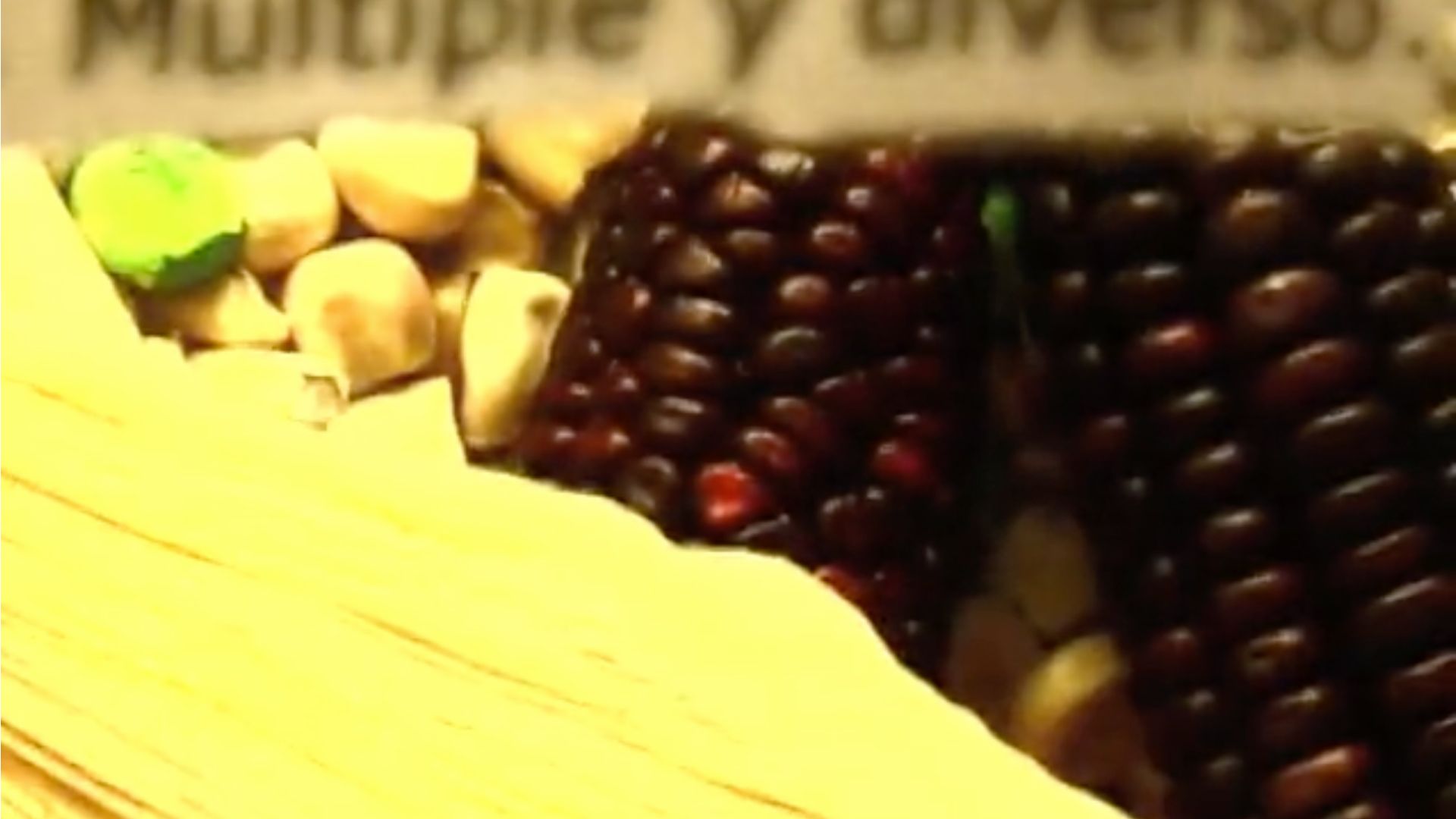
Barrenador (Borer)
Bruno Varela | 2004 | Mexico | Mini DV | 8 min
Nixtamalized choreography in 5 movements. Dance by genetically modified corn. A digital fable compressed into eight minutes. Electronic codex structure.
(Bruno Varela)
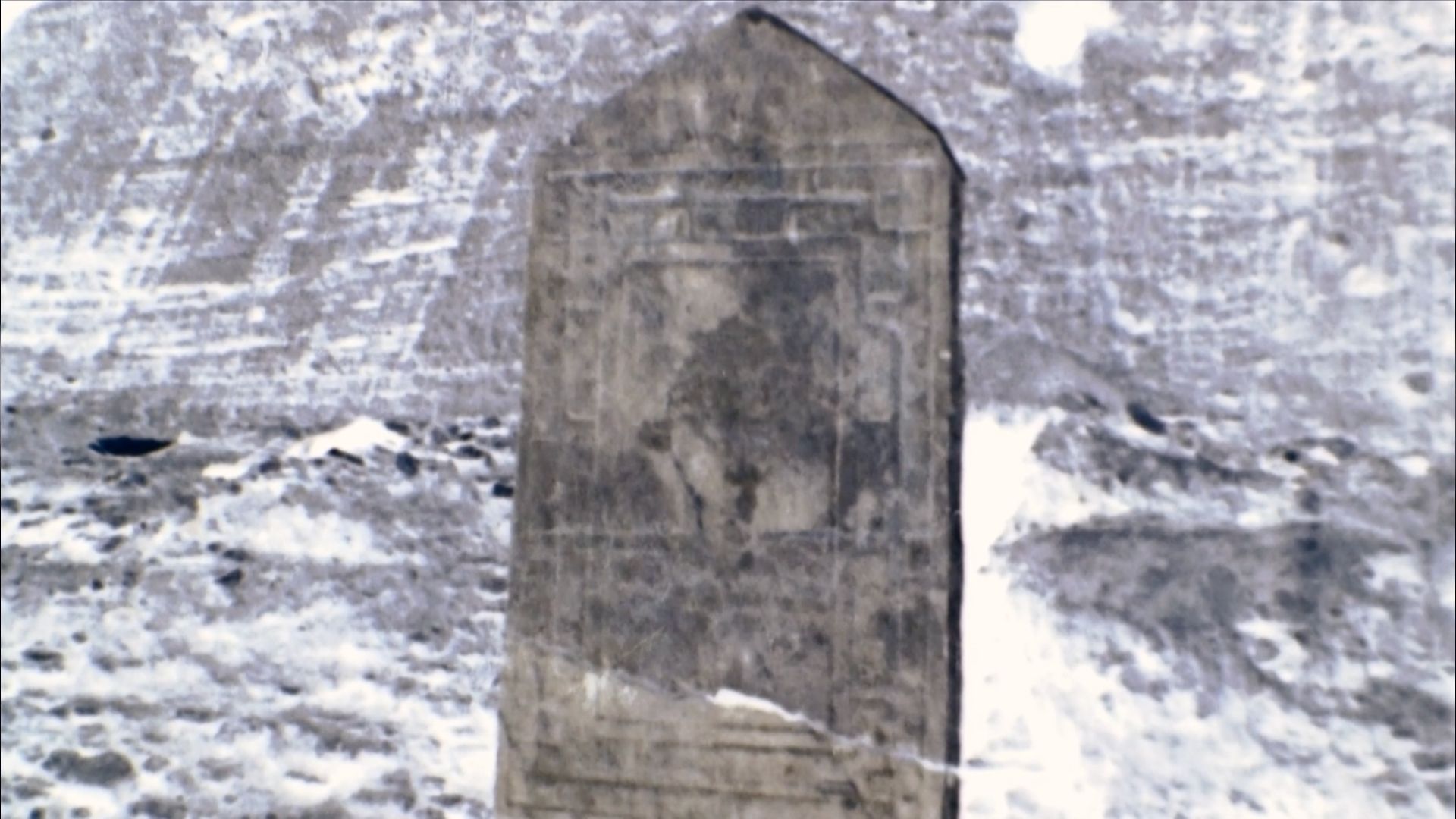
Neón cortex (Neon cortex)
Bruno Varela | 2023 | Mexico | Super 8 & 16 mm to digital | 14 min
Diverse structures and temporalities collapse, become embedded in a common memory, and end up weaving a piece entwined in light and vapours.
Speculative fiction, plant-based narrative, dream of seeds.
Corteza Neón, a living assemblage, a potential film. An entity with a will that resists disintegration and insistently presents itself in new forms.
A momoxtle, a pile of basalt stones, beneath which lies an ancestral temple, buried and unearthed many times.
Escurrimientos (Runoffs). Digitally restored Super 8 and 16 mm.
(Bruno Varela)
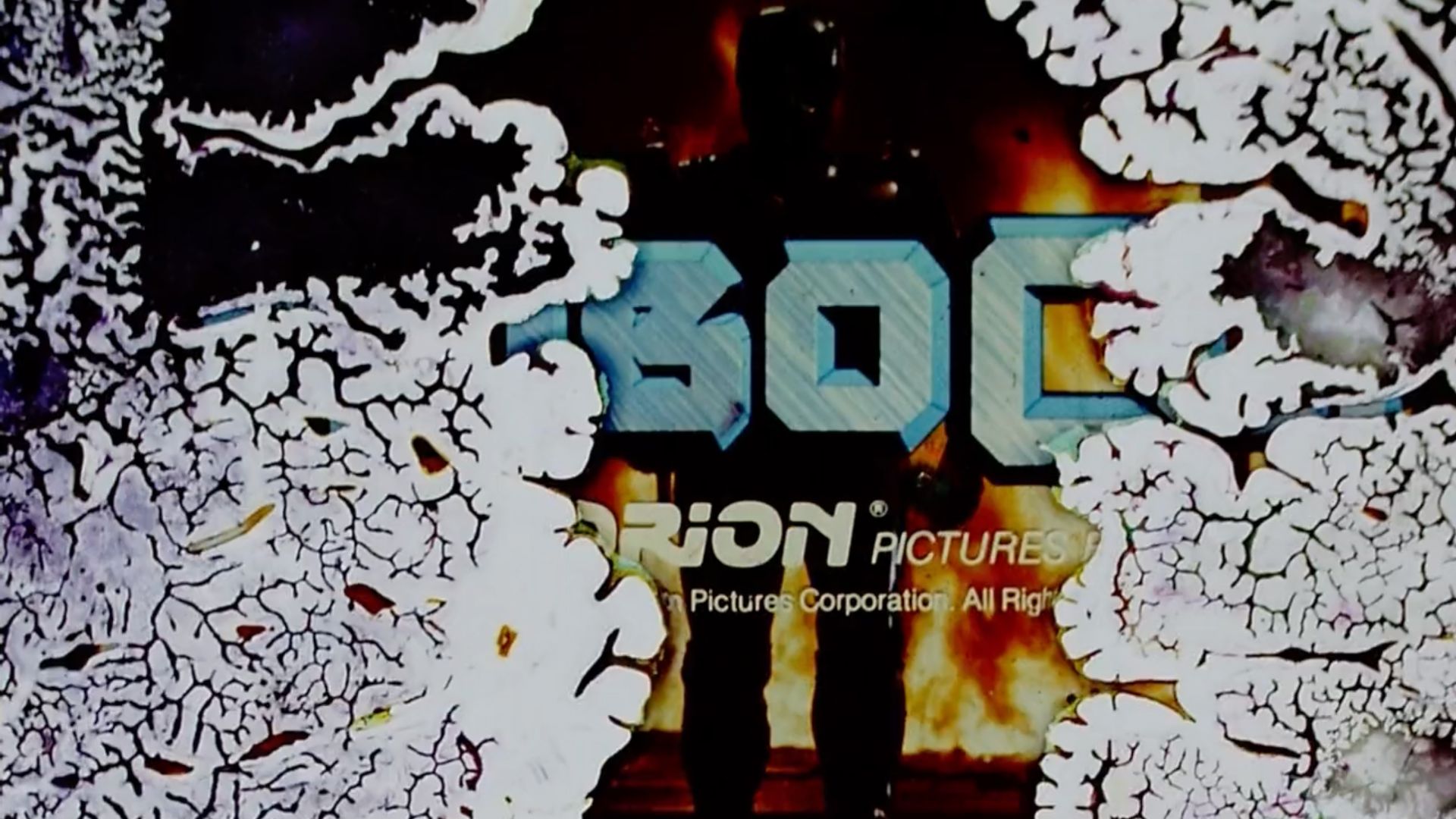
Canto a un dios robot (Song to a robot god)
Bruno Varela | 2026 | Mexico | 35 mm scanned by hand | 5 min
The discovery of a translucent scroll tells the story of the robot god. Its death and resurrection, betrayal, revenge and return from the fire to announce the new time.
A preview in Spanish, a 35 mm snippet from Robocop, 1987. All of the material that has been manually scanned, the 4,600 loose images are reconnected in sequence.
Audio woven together from materials from the digital dump. An interview with the robot Sophia and other areas of speculation close the circle.
Totem film
(Bruno Varela)
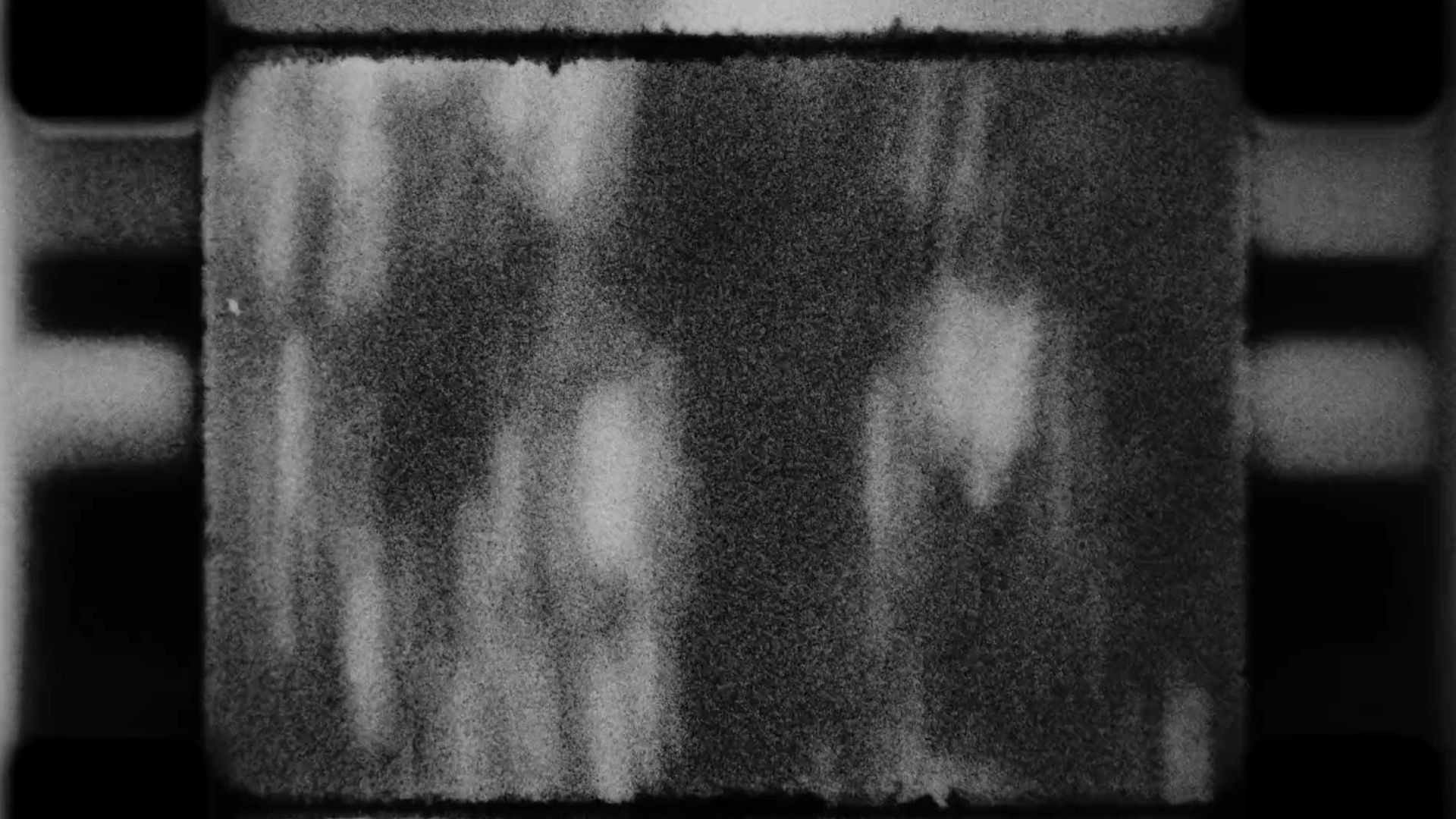
Políptico elemental (Elementary polyptych)
Bruno Varela | 2022 | Mexico | 16 mm to digital | 3 min
a 16 mm reel found in a market, with a fifty-year expiry date
gives birth
A wind-up camera is also a musical instrument
the double perforation enables the film to run in both directions.
it comes and goes
we have observed the time little; we lack images to understand it,
images to convey it
ValdelOmarisms
(Bruno Varela)
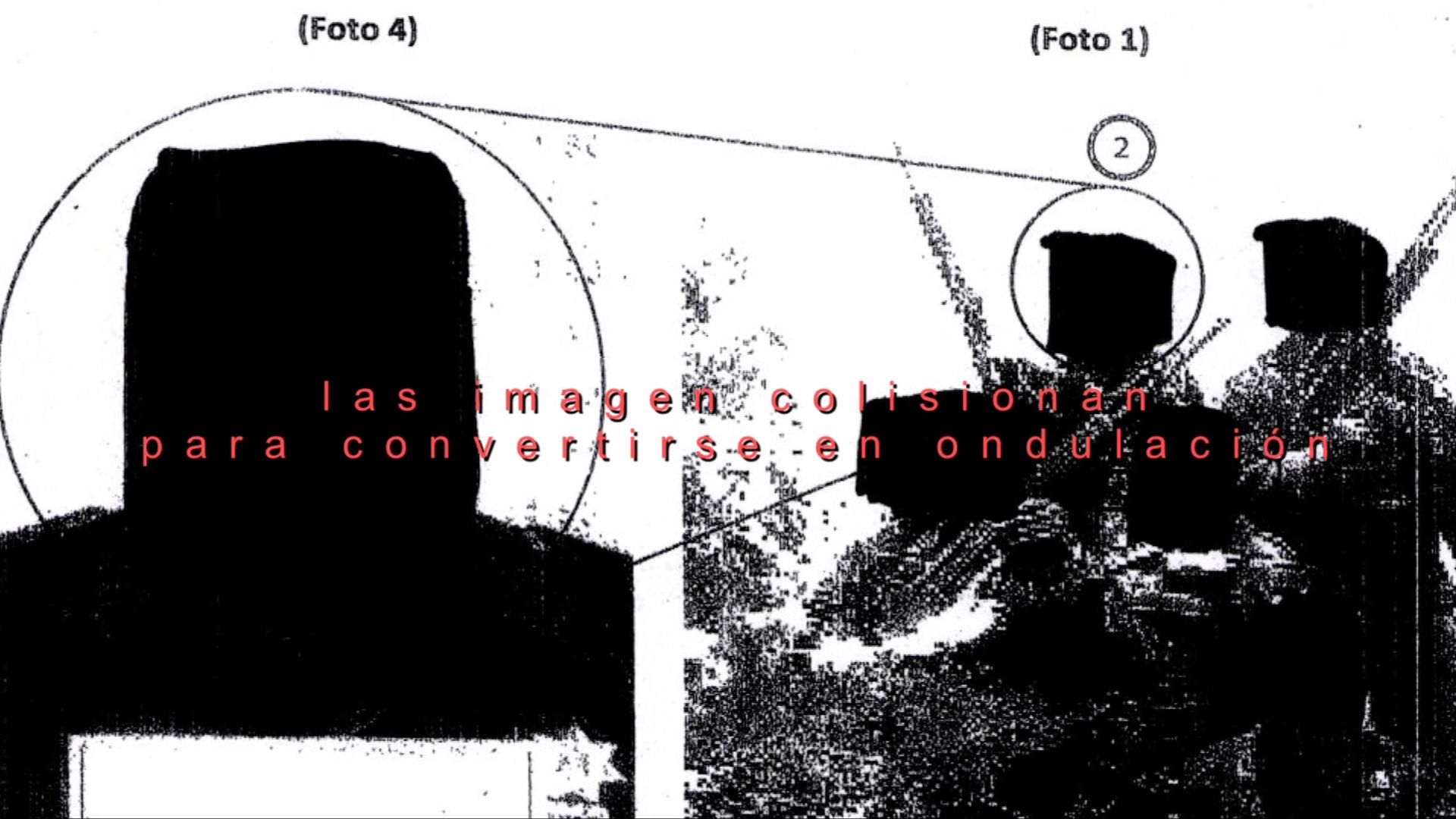
Materia oscura (Dark matter)
Bruno Varela | 2016 | Mexico | digital video of manipulated PDFs | 9 min
Materia oscura is an experimental exercise that is part of a work of excavation into the 54,000 pages on the “Iguala Case”—divided into 85 volumes and 13 annexes—that were made public by the Republic’s Office of the Public Attorney General in 2015. The set of documents presented in PDF format are illegible, crossed out, photocopied, scanned, and re-photocopied several times.
Until the disappearance becomes integrated into the document itself. The disappearance of image. The disappearance of text.
Generations of images dissolved to the point of losing their status as images.
(Bruno Varela)
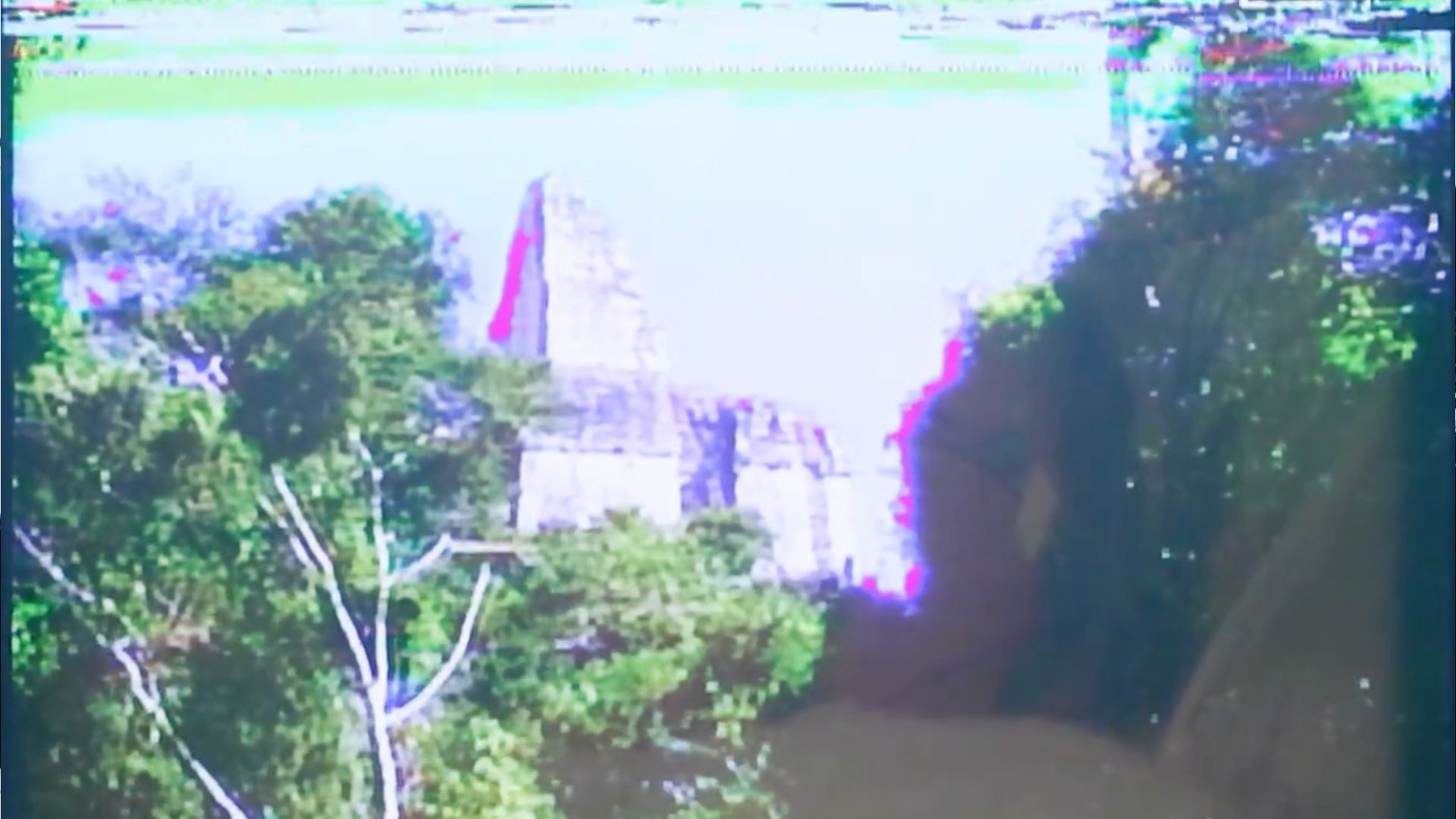
Pequeño prototipo (Small prototype)
Bruno Varela | 2025 | Mexico | Super 8, Regular 8, 16 mm, Video 8 to digital
and simultaneous 16 mm screening | 13 min
El prototipo is an embryonic film that attempts to resonate long after the experience of being exposed to the film. Occurring in dreams, it has cracks, glues, fragile ties. The reverberation of a conscious audiovisual object with a will, sent from some future. Time is a simulation.
(Bruno Varela)
Shortened version of El Prototipo (2022) presented simultaneously with 16 mm screening of Sleep and Dreaming in Humans (James Beryl Maas and Anne Darcy Cook, Department of Psychology, Cornell University; William C. Dement, Department of Psychology, Stanford University, 1971)
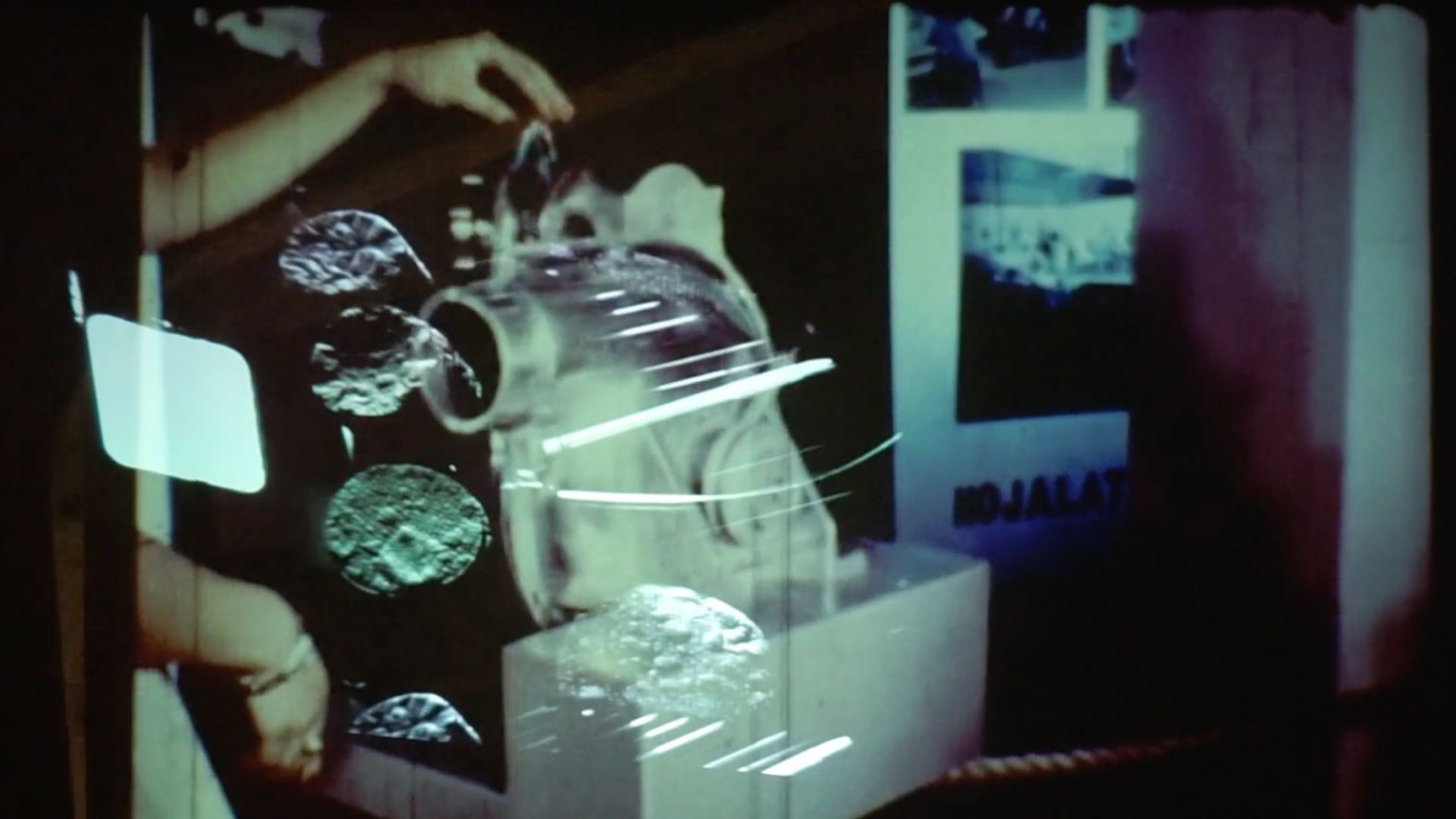
Anáhuac contra los robots (Anáhuac against the robots)
Bruno Varela | 2024 | Performance in digital, Super 8, 16 mm & Betacam | 16 min
An essay, an expansive and germinal film, nixtamalized, mechanized. A possibility. Speculative technology, time machine prototypes. Repetition. Change, transformation of forms and potential forms yet to occur. One tortilla is never the same as another, and yet it is always the same. Contingency machine. Technology that dreams of the great primordial griddle pan, seriality and uniqueness. Anáhuac against the robots. An invisible war is taking place; it is a confrontation of a magical nature. It is the signs and their repetition that produce time and its symptoms. Mystical materialism.
(Bruno Varela)
This performance incorporates elements from the diptych Anáhuac contra los Robots – La máquina del futuro (Anáhuac against the robots—The Machine from the future) (2024) and La ranura del tiempo (The slot in time) (2024) – as well as Tortillería chinantla (Chinantla tortilla shop) (2004) in Super 8 and found footage in 16 mm from two launches from the 1960s: Apollo 11 and a mechanical tortilla-making machine of the Verastegui brand.
BRUNO VARELA
A MOON OR ONE OF ITS FORMS
Bruno Varela (Mexico City, 1971) is a foundational figure in Latin American experimental film of this century. Highlighting his significance in an exhibition of his work in Europe faces above all the challenge of highlighting his role as a teacher. With Varela, any feelings of familiarity are immediately exposed as deceptive. This may be because once one has entered his constellations of thoughts, one finds that they are constantly expanding. Thus, the graphic lines he would trace two decades ago among the corn tortilla, the colonization of the moon, green colonialism, and the history of Anáhuac become both stranger and more urgent as we come to understand in more recent work that these filmic missives were meant as sincere warnings of apocalypse. Moreover, his influence has been indelible in more institutionalized visions of Mexican film while his own vision has stubbornly resisted institutions, embracing the pedagogy of the small collective, workshop, or musical group in the southern Mexican state of Oaxaca. And we should not underestimate the genuine transformation made in classical concepts of experimental film as Varela brings them into the South, where “structural film” becomes “struct-rural film,” and where the avant-garde (as well as any suggestions of elitism or fetishism for a medium) is subjected to Varela’s constructively iconoclastic championing of the retro-garde. This is a cinema that fights for what standardizing visions have cynically (indeed, genocidally) labelled “past.”
We thus begin this cycle by facing what Varela means by the first of those concepts, in the programme “The Struct-rural Film Reader.” In a recent statement in Los Experimentos, Varela links his work to the late P. Adams Sitney’s original articulation of structural film as involving the intuition of predetermined shape. For Varela, that shape is frequently and eminently a circle: a corn tortilla, the moon, Plato’s Atlantis, Mexico-Tenochtitlán (the navel in the moon), and—especially, in this programme—the titular hat of Ombligo de sombrero (2025), weaved by its protagonist and collaborator, hat-maker Apuleyo Hernández Ocampo from Santa Catalina Chinango, Oaxaca. It is a film made with “very little film, but woven like a palm-leaf hat that accumulates with density and volume.” In Varela’s films, that density and volume, accumulated around the skeleton of a looping shape, derives from the epiphanic qualities (as he likes to say, the randomness or “clinamen”, using Lucretius’ term) of letting a camera, a microphone, a piece of emulsion (as in his use of phytograms) simply be, of letting the world present itself. Thus, in the recent video revelation Trans-apariencia-estérero-voodoo (2025), density and volume—in other words, meaning—are the responsibility of the non-human animals who take over the recording devices that humans have left behind.
A term for such revelations employed by another influence on Varela, Jean Epstein, also gives the title to the second programme in this exhibition: “The Intelligence of a Machine”. Here, Varela’s genuine insight is to keep with the circle: to link the most basic mechanical intelligence of the film machine (as Raúl Ruiz noted, a kind of bicycle) to the corn tortilla-making machine that has fascinated this filmmaker throughout his career. After all, Varela draws the same kind of temporal principle from tortilla-making that he does from hat-making: each one looks like the previous one and the one to come. It is a kind of temporal principle made most evident in loops, and as Epstein claimed in his 1946 book The Intelligence of a Machine, in reversible ones: the easy reversibility of the film strip upends easy ideas of temporal priority. And Varela is clear that the reversible circle constitutes a protest against imposed ideas of time. As he says in notes regarding another tortilla film, La ranura en el tiempo (2024), “The temporal relationship imposed by capital only allows the location of an event at a single point.” In this spirit, these screenings will shamelessly embrace repetition, and among our Virgils of recurrence will be the Oiled Devils of the Carnival of San Martín Tilcajete, Oaxaca (protagonists of both Heraldos neón [2020] and El prototipo [2022], shown here in modified form).
Circularity, repetition and reversibility hardly preclude the accumulation of meaning via narrative. Varela is, after all, an experimental filmmaker committed to both travelogical narratives (evident here in Estela [2012]) and speculative science fiction ones (as in Neón cortex [2023]). In looped presentations across two electronic monitors visible and audible at the Fundación Luis Seoane, we will be telling our own evolving narrative about Varela and his relations to communitarian video and video art. It is a story (in no particular order) about Varela’s collaborations with the Centro de Video Indígena and Ojo de Agua Comunicación (1994–2001), his shared initiatives arcano14 (2000–6) and Anticuerpo (2007–), Oaxacan painter Francisco Toledo’s film club El Pochote (1998–2011), the workshop Mirada Biónica (2001–6), the 2006 popular uprising in Oaxaca and its violent repression, as well as the Zapatistas’ 2001 visit to Oaxaca. As Subcomandante Marcos said in a speech during that visit (sampled in the audio of Neón cortex), it may be a story of communities outliving those who predicted their extinction.
Finally, it must be recognized that bringing Varela’s work to the (S8) Mostra de Cinema Periférico in A Coruña, Galicia, means bringing it to a community that understands and appreciates one of his influences: the Granadan filmmaker José Val del Omar (the inspiration behind Varela’s 2022 series ValdelOmarismos, part of which will be screened in Programme 2). Among so much else, we can highlight how Val del Omar’s invention of the “multi-variable lens,” better known as the zoom, is itself an anchoring of a single point in space that, on being variable, can release us from imposed ideas of time. Val del Omar taught us about the zoom. Varela keeps teaching us that the zoom is the ombligo of the film.
Byron Davies
The programme by Bruno Varela is backed by Marie Skłodowska-Curie Actions (MSCA) ‘Materialism and Geographic Specificity in the Philosophy of Film’ (scholarship agreement ID: 101102377), at the University of Murcia, funded by the European Union.