SINAIS 1
Filmoteca de Galicia | Wednesday June 3rd | 6:00 pm | Free entry to all venues until full capacity. It will not be possible to enter the venues after the screening has started.
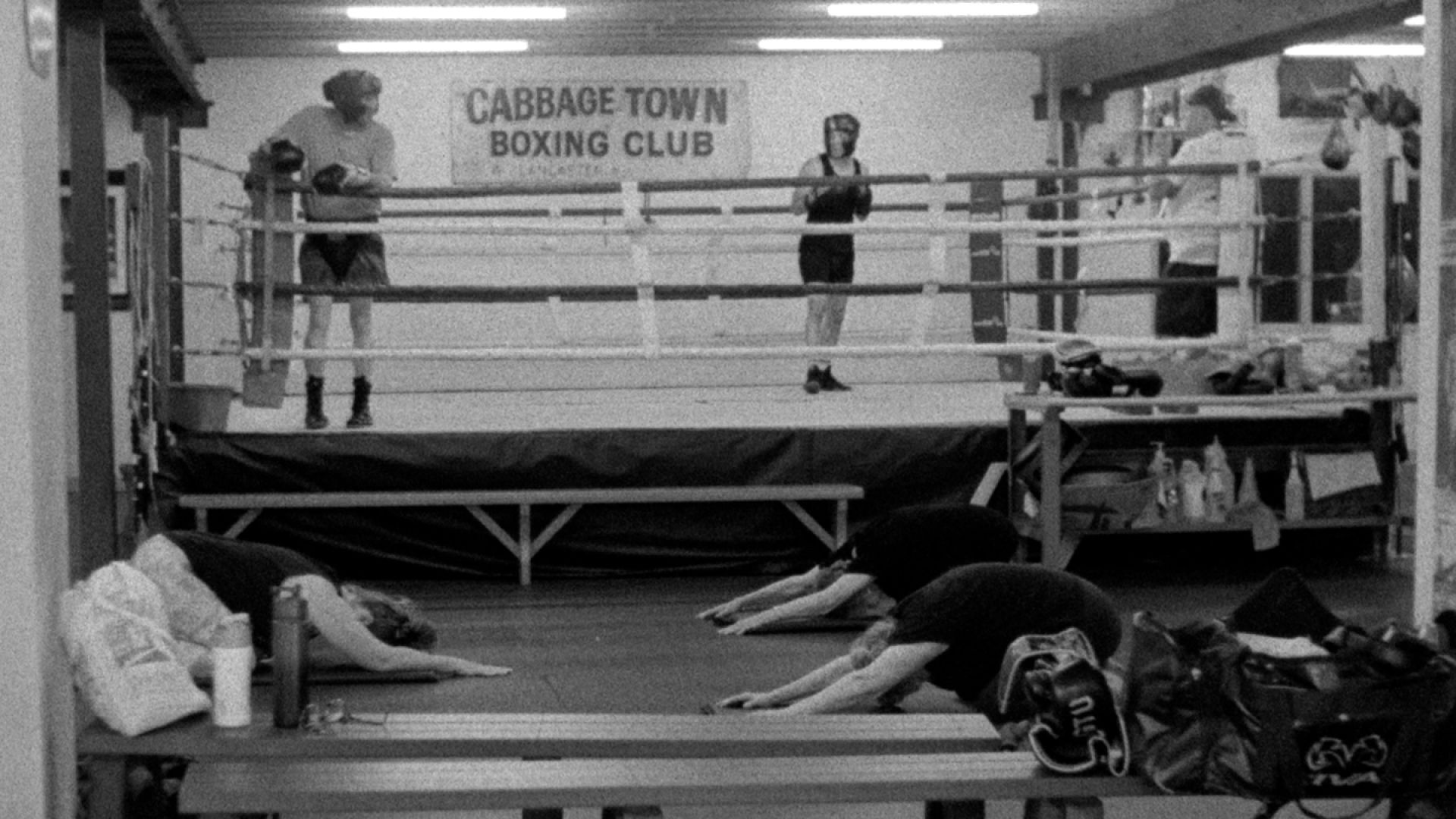
Béal
Juana Robles | 2026 | Galicia, Canada | 16 mm to digital | 35 min
Project selected for BAICC 2025
Béal is a 16 mm film that explores the intertwined histories, communities, and daily lives of Toronto’s Cabbagetown and Regent Park. Extending to the Don Valley and Don River—lands and waterways long used by Indigenous peoples as gathering, fishing, and travel routes—the film situates these neighbourhoods within a deeper landscape of history and movement. Later shaped by Irish immigration during the 1847 famine, the area evolved through poverty, working-class settlement, and the creation of Regent Park as Canada’s first large-scale social housing project. Today, cycles of redevelopment and gentrification continue to transform the neighbourhoods, bringing new tensions and challenges. Through intimate collaborations with residents and community workers, Béal reflects on resilience, displacement, and the enduring connections between past and present in the city’s changing urban fabric.
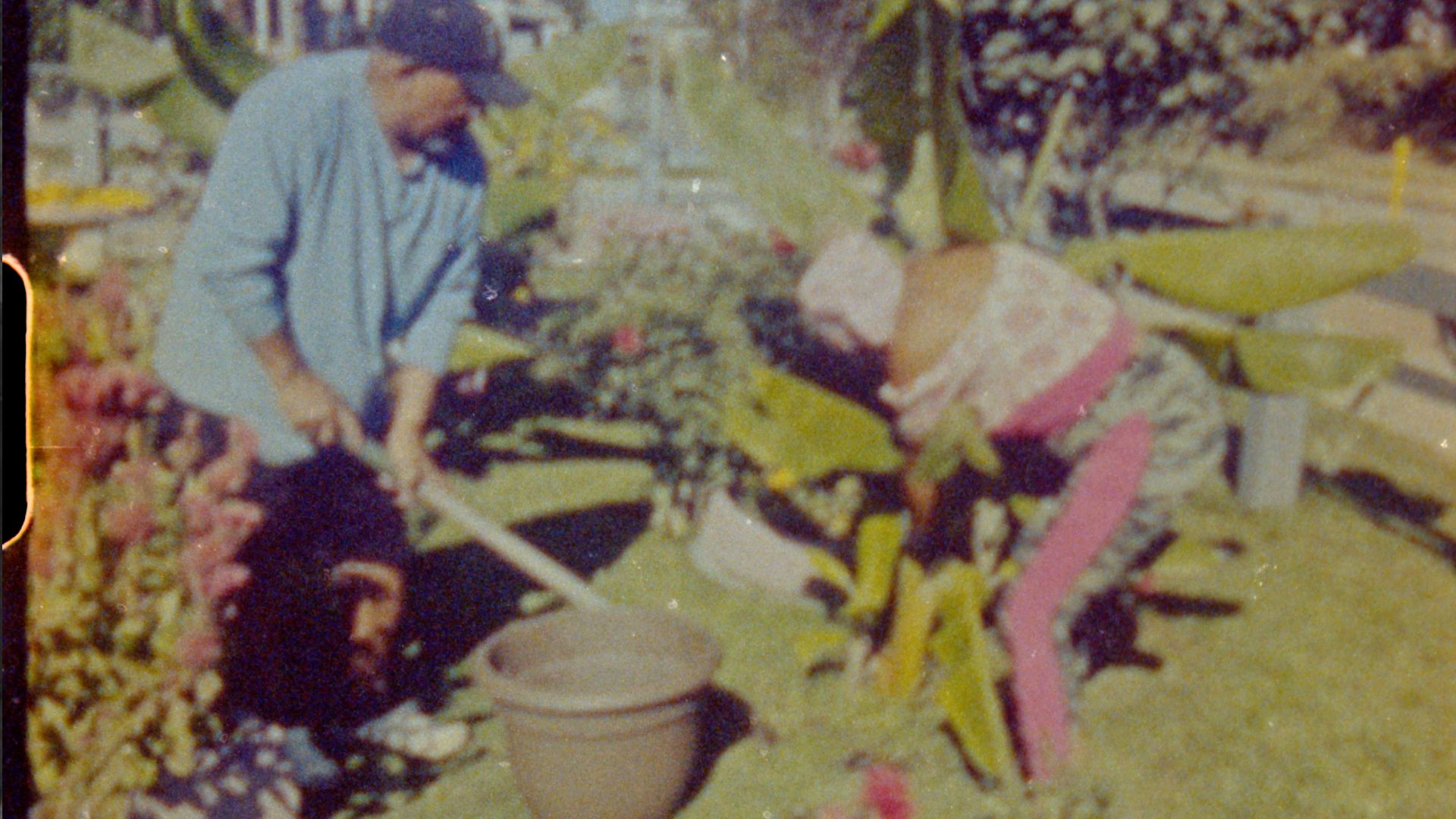
Banana Plant
Claudia Claremi | 2026 | Spain | Super 8 and 16 mm to digital | 5 min
A Puerto Rican family living in Rochester, New York, takes great care of the banana trees in their garden. When winter arrives, they dig up the plants and bring them indoors to protect them from the cold. With the arrival of spring, the trees return to the earth, creating a cyclic ritual that repeats itself year after year. Through this caring activity, Migdalia and Fernando maintain a living link with their roots, and their work becomes both an act of resilience and a way of dealing with their diasporic identity.
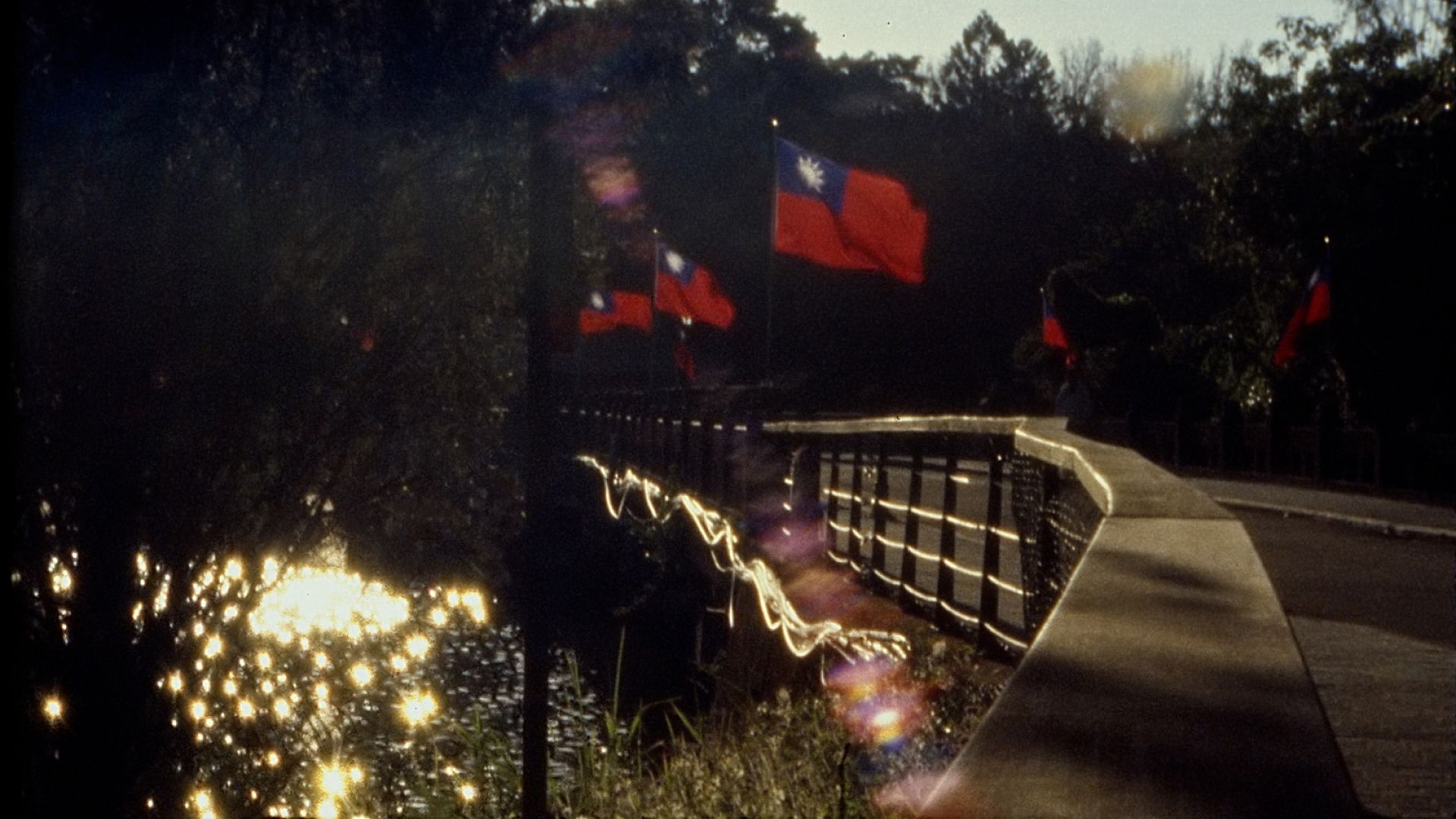
Formosa’s Paradox
Esperanza Collado | 2026 | Spain | Super 8 | 12 min
Shot on Super 8 at locations including the Legislative Yuan, Liberty Square, the National Human Rights Museum, and TSMC headquarters, this film traces an intimate cartography of Taiwanese identity across three movements: from the lush vegetation and Buddhist and Taoist spirituality, through the sensory fascination of Taipei—with the voice of Tehching Hsieh questioning cinema from within—to an exploration of the symbols of Taiwanese democracy juxtaposed with the remnants of the KMT’s authoritarian past. The film concludes in the summer of 2025, during the “Great Recall Wave”—an unprecedented civic campaign to remove dozens of KMT legislators accused of favouring Beijing’s interests and undermining Taiwan’s defence capabilities, but which ultimately failed. One question runs through the work: can utopia exist within permanent ambiguity? Or is it precisely that place between two worlds that defines Taiwanese subjectivity today?
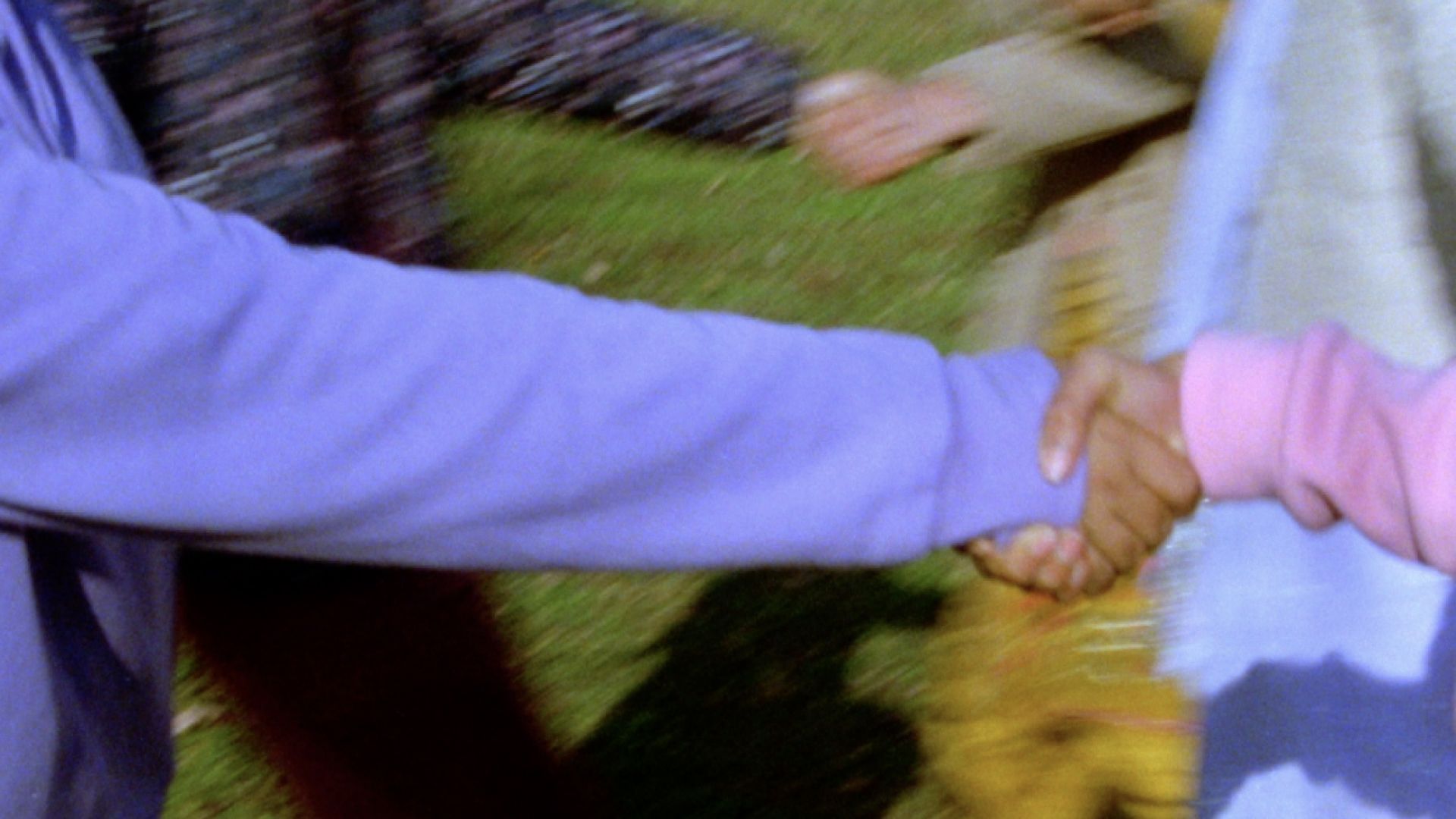
tocant la llum (touching the light)
Valentina Alvarado Matos | 2026 | Spain | 16 mm to digital | 12 min
Tocant la llum is a film constructed out of meetings and workshops with children in Vic, in collaboration with the Gurdwara Guru Teg Bahadur community and the MEV museum. The film captures the perspectives, games, and gestures of the little ones, exploring their ways of understanding the transitions between inside and outside, and how childhoods inhabit sacred spaces.
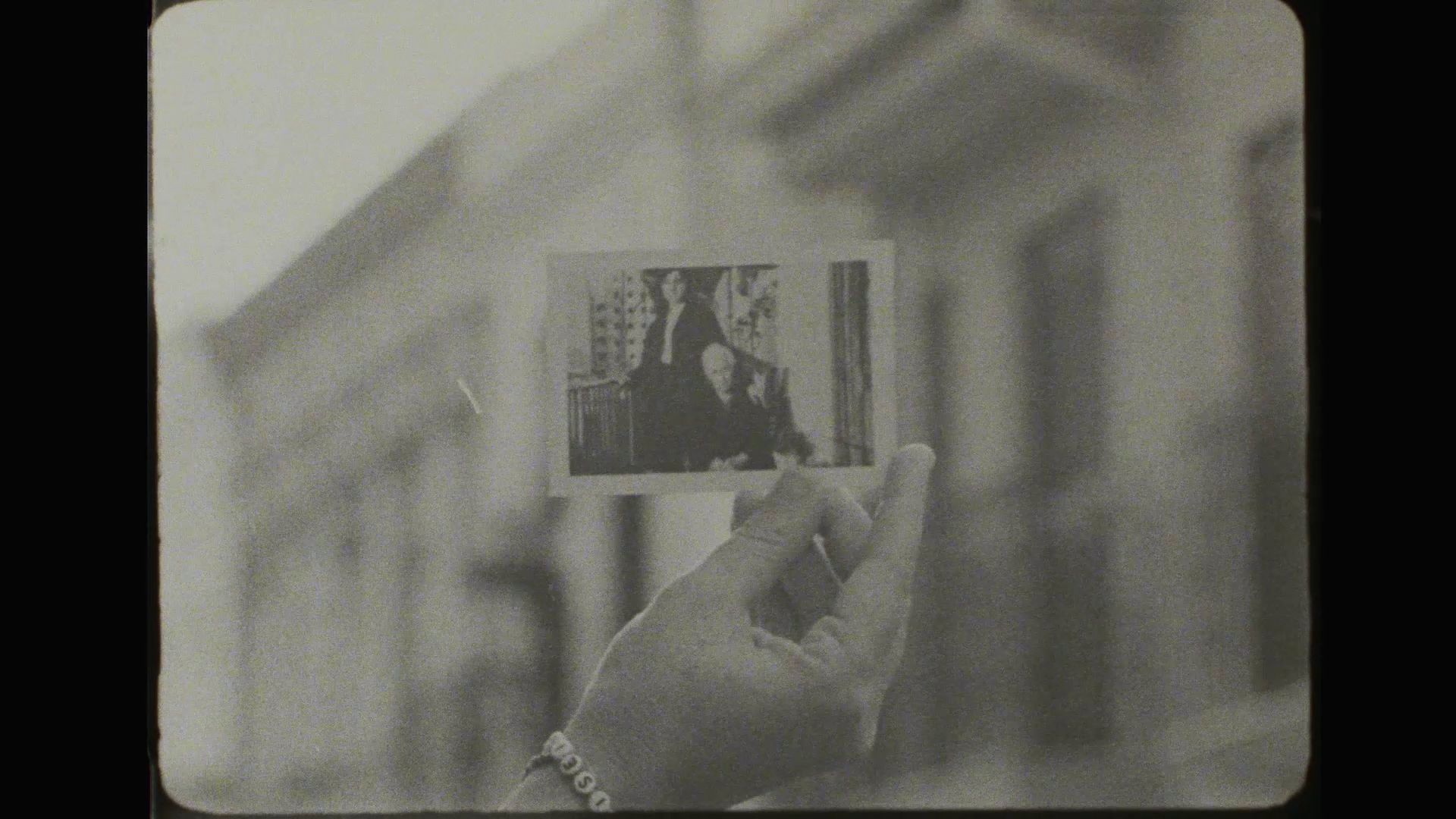
Mirar y aprovechar (Looking and making the most)
Orisel Castro and York Neudel | 2026 | Spain | 16 mm to digital | 15 min
Through a migrant’s eyes, we come to a charming Valencian neighbourhood bordering the Mediterranean Sea. Orange trees bloom fragrantly amidst murals that cry out against abandonment and eviction. The flea market condenses the essence of speculation on a small scale; all kinds of objects that have been salvaged from the shipwreck of memory are put up for sale. Mirrors, crockery, household photos. This is where a visual and sound journey begins, in which small treasures, house façades, ruins and waves echo other times, other families and other coasts.
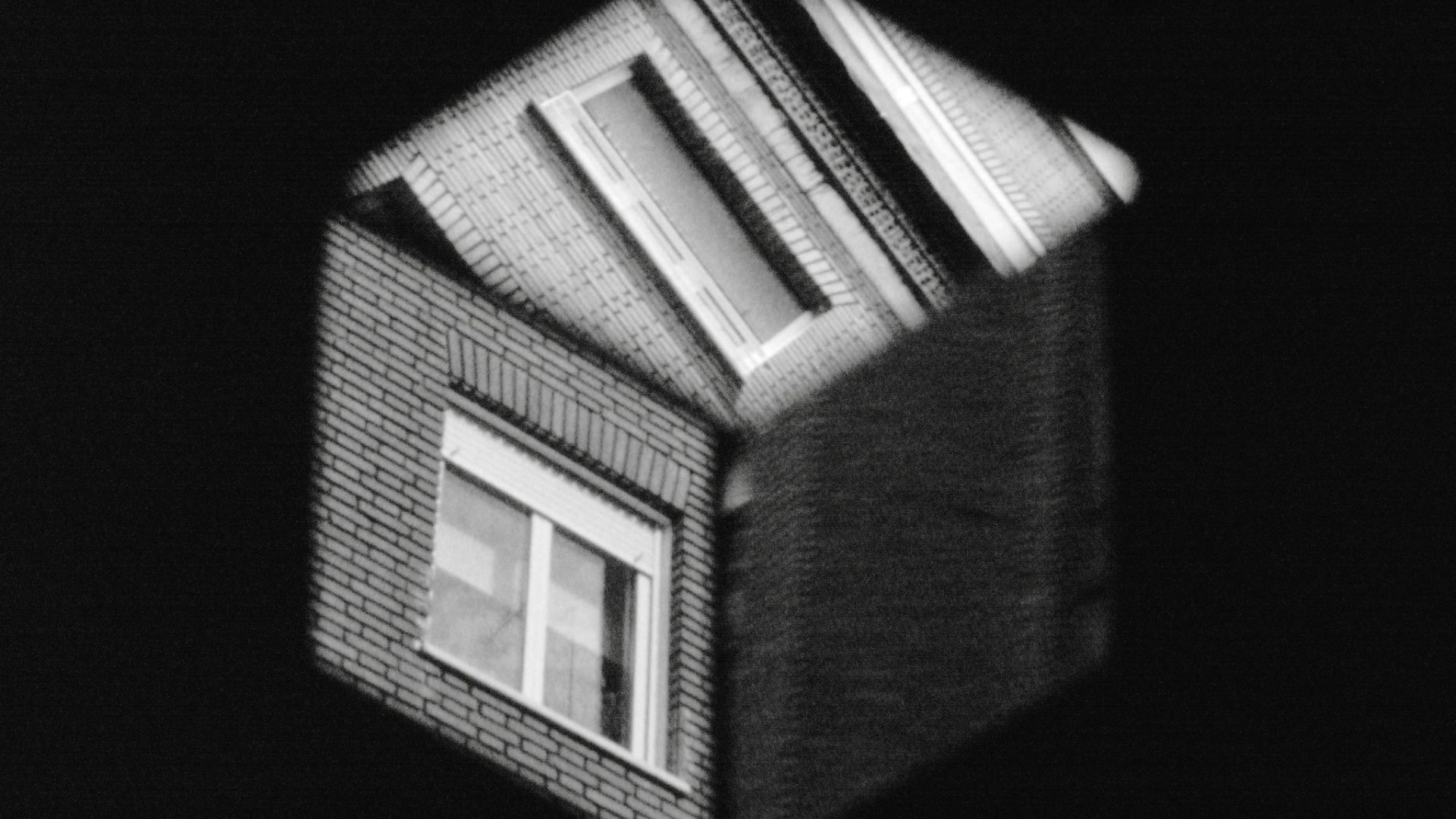
Vereda (Sidewalk)
Francisco Burneo | 2025 | Spain | 16 mm | 4 min
Shot on a single street, this film observes how the buildings are repeated until they build up a common shape made of light and surfaces. It explores the way we see the everyday, how depth flattens and the image becomes a space where one’s gaze falls. This is a study on perception and the minimum distance separating what is there from what we can see.
SINAIS
THE VIEWERFINDER OF THE MIND
If there is one thing that makes art exciting, it is its ability to convey the worldview of those who create it. The Latin word imago means “image, portrait, shadow, ghost”, and from there comes the word imagination, which suggests the idea of “forming a mental image”. The mind is a closed-off, private domain, but cinema helps those mental images to emerge into the world, and therefore into communal contemplation. From the projector’s beam of light those shadows emerge, those ghosts, the imago mental. Moreover, it is in experimental cinema where it can truly be given a free rein: by freeing ourselves from narrative constraints and any predetermined rules, it is the perfect medium for this task.
Each year, the Sinais section provides a screen that acts as a viewfinder for the minds of all those imaginative beings from Spain, Galicia and Portugal who we call upon. Each of the three sessions we hold invites the audience on a different journey.
Programme 1 consists of a series of films that draw up a private view and mapping of various cities, in all cases viewed by people who are not originally from them. When someone comes from outside, they bring a personal and cultural background that leads them to focus on details that are unknown and new to their eyes. Béal by Juana Robles (who was a beneficiary of the last BAICC) shows us various corners of a Toronto neighbourhood whose images are coloured by the (harsh) accounts of life from those who have inhabited it. In Banana Plant, Claudia Claremi draws up a delicate analogy between said plant and a Caribbean migrant couple in North America: the kind of transplant that always comes with special conditions. For her part, Esperanza Collado takes us to Taiwan in Formosa’s Paradox; there is a dream-like sense of strangeness in the images and sounds from that country given to us by Collado, suggested by that curious, detached way of looking that suits the paradoxical situation to which the title alludes: one of an independent state that has not been unanimously recognised. Then Valentina Alvarado Matos’ work Tocant la llum (Touching the light) reinforces the enchanting strangeness by taking us into an Indian community in Catalonia. Alvarado Matos, a migrant in Catalonia, looks in a particular way at people with whom she shares a status but from a diametrically opposed culture. Mirar y aprovechar (Looking and making the most) shows us how two people from Cuba find their place in the El Cabanyal neighbourhood of Valencia: Orisel Castro and York Neudel. The collection of objects at the flea market invites us to think about what is used and what gets discarded as regards cinema itself. Finally, in Vereda (Sidewalk), the Ecuadorian Francisco Burneo carries out a kind of formal geometric study of Madrid’s architecture. In that demonstration of parts that fit together which he presents to us, at one point there is space for human beings. Homes are not the houses, but the people.
Whereas Programme 1 takes us through the ideas and sensations projected in different cities by people from outside, Programme 2 shows us places and spaces whose images pulsate, revealing the existence of other underlying layers, be they legendary, historical or even procedural. Constant, Co-present by Nicole Remy brings us to this latter point: trees from different geographical locations filmed using a precise method that leads us to the intense presence invoked by the act of filming, to its concentration and the connection with what is being seen through the camera. In Rachar en dous, Area Erina also makes use of the landscape which, through a woman’s figure dressed sometimes in white, sometimes in black, seems to symbolise the two polarities of the soul. Erina’s animated procedure reinforces the idea of contradictory impulses and irreconcilable yet coexisting, divided feelings. Entering into that symbolic world, Tiago Almança gives us a sensory, abstract record of a ritual from a town in Castilla-La Mancha. But Una dança non sancta does not seem to be a filmed folkloric event so much as the very origin of the rite, the supernatural forces themselves dancing before our eyes. In that search for the hidden, with Luz ígnea (Igneous light), Catalina Giordano shows us the invisible traces of the German abbess Hildegard von Bingen in the ruins of the place she once inhabited. We now fully immerse ourselves in the domain between the world of the living and the dead through photochemical experimentation in the second part. In this vein, in el agua disuelve su imagen, el paisaje desaparece (Water dissolves its image, the landscape disappears), Delfina Vázquez’s film takes advantage of the quality of being between two worlds; a quality held by the film that has deteriorated over time. The magenta-tinted images are flooded with a “rain” of streaks and scratches on the emulsion in a sense-related metaphor. In the case of Mirar el agua (Looking at the water) by Cristina Souto Pita, we delve into the waters of a reservoir and its paradoxes: from the beauty of moments of swimming and pleasure, to what was necessary for that place to exist: the violence submerged under the crystalline, peaceful surface. That silent burden of the landscape also emerges in A Pena by Iria Silvosa. Megaliths, their ritual and magical purpose, the immutable quality of the stone, and how they encapsulate within themselves the time and memory of those who we will only know through their image and who it is only possible to imagine. By also showing us more than the obvious, in dashed in here, seeing you green, Blanca García takes us through her mental image of a fragment of Virginia Woolf’s The Waves constructed through light, shadows, reflections, textures and the shapes of the smallest things surrounding her. That activity of carefully observing what appears to be inconsequential is also found in Poco a poco (Little by little) by Álvaro Feldman. This is a diary record of moments—some everyday, others exceptional—that holds within it a palpable emotional force, and even some melancholy regarding the ephemeral. What every individual sees through their window is also found in such everyday gazes. In Antonio Trullén’s Li’s Fenster, we can see how the immovable moves, and how the passing of time is denoted by the shifts in a view that is always the same and never is. While Li’s Fenster looks out of a house, Destellos (Flashes) by Emiliano Reyes is a hallucinatory record of what happens within it. Through an intricate process of frame-by-frame filming of areas of light and shadow, Reyes’ house seems to have a life of its own; a life it shares with that of the family living in it, for whom there is also a space.
Following Programme 2, which attempts to look beyond the obvious at the layers behind each image, in Programme 3 we shift towards the dream state that directly colours what is being filmed, whether by means of mise-en-scène, devices or different fabrications. Cascada (Waterfall) by Raffaella Rosset opens the session, bathed in the colour of light broken down (live) into its entire chromatic spectrum. The “Mayaderenian” beginning of Hifas (Hyphae) by the Avis Lumbre collective kicks off a collective game of creation in which the means of communication between the participants seem to be luminous glints and intuition. Communication with a specific recipient is also the driving force behind Carta #10 (Letter #10) by Helena Estrela, which also acts as a notebook for minimal notes, and as an imaginative, playful approach to the possibilities of combining images and sounds. Autodefinidos (Crosswords) by Lucía del Valle Ramírez also holds within it the enigmatic tone of being a coded language shared with a close person, expressed through a game of visual answers to the crossword puzzle. Aroma by Pablo Arenas presents an abstract, minimal fiction via the interaction of two figures, along with the synaesthesia underlying its images evocative of touch and smell. Luis Lechosa’s work Kuñataĩ then raises the question of how to tame a horse, but this gesture of taming seems to be more about converting it first through cinema and then through painting into a depiction. Bang Bang Stefi! by the Super8eres collective (Natalia Lucía, Elena Maravillas, Meritxell Blanco, Antonia Cohen, Anna Molineros and Ramona Fernández) also creates a two-way dialogue with fiction cinema, in this case with Western films: how to turn the everyday into a Western, how to turn the cinematic genre of masculinity into a feminist film? This idea of representation also runs through FLESH.WEBM’s latest work UNTIL WE MEET AGAIN, made with found footage from North Korea. Performing glitter and fantasy amidst the greatest social chaos turns this film into a critique that also shifts its gaze towards our capitalist society. The action of colouring reality becomes practically literal in Desayuno con Lara (Breakfast with Lara) by Claudia de la Iglesia. The intimacy of a portrait of a friend, and the confessional tone of her voice are enhanced by the artist’s physical intervention on colouring the film. It is a gesture of closeness and friendship. Within that homely intimacy we can also find El camino a casa (The way home) by Ceci Romero, and El tuerto es rey (The one-eyed man is king) by Jorge Domingo. In the case of Romero, she exchanges what is real with what is extraordinary by playing with mirrors, text, and stop motion animation. In Domingo’s case, what happens in a room is fragmented into different pictures and cutouts that disperse or fix one’s gaze, merging different times and condensing a life experienced in a space. Finally, in OAO, Rocío Mesa creates a portrait of her friend Annie Wallace that is a kind of healing ritual through colour, motion and different mises-en-scène. Surrealism and fantasy turn a difficult past into a kaleidoscopic new reality that liberates her and, in the process, also heals us.
Elena Duque