SINAIS 3
Cantones Cine | Friday June 5th | 5:00 pm | Free entry to all venues until full capacity. It will not be possible to enter the venues after the screening has started.
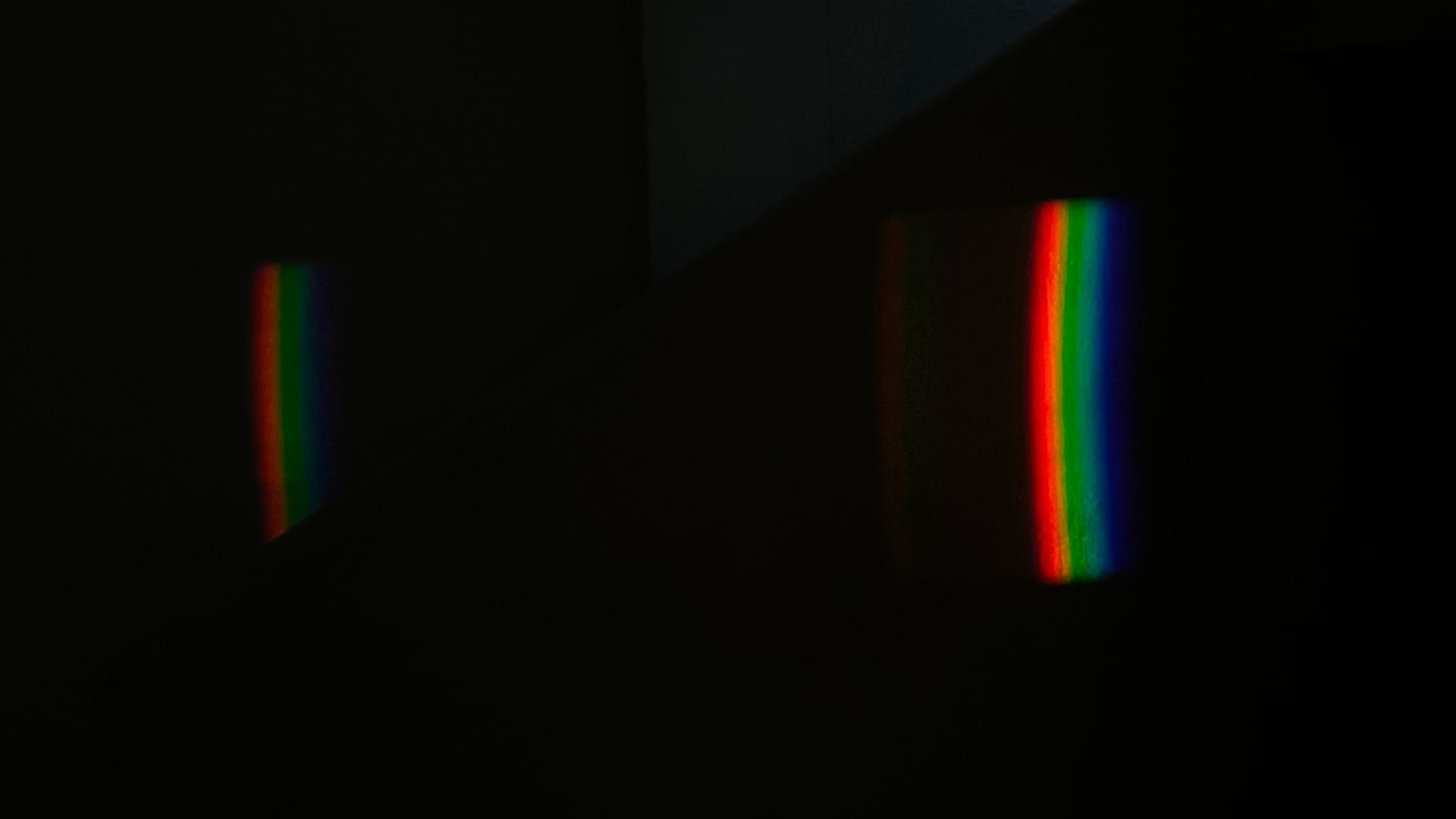
Cascada (Waterfall)
Raffaella Rosset | 2025 | Spain | Performance in 16 mm | 2 min
With luck, you can see rainbows at the foot of a waterfall. A freely falling river projects its own images.
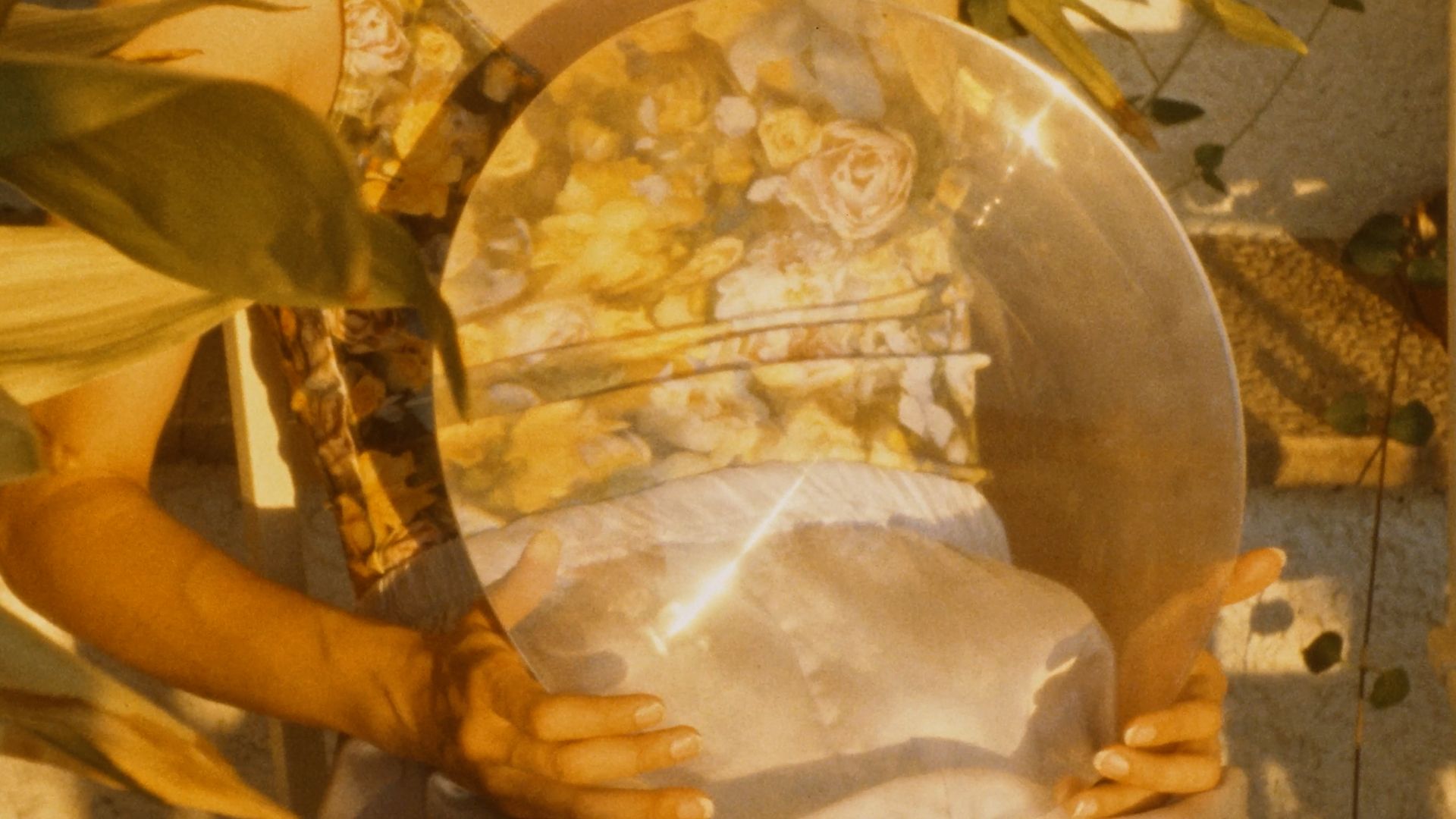
Hifas (Hyphae)
Avis Lumbre Collective | 2025 | Spain | 16 mm | 4 min
An opening in the matrix, a circle that opens up, multiple visions affected by the same field, by a colour. An intermediate space, a primitive language before names. Giving each nature of being an object a way of filming it; states of the living in their transcendent quality. An organic, mechanical choreography, a connection between heaven and earth, subverting the above and the below. In colour, a message.
Hyphae are the small filaments that make up the mycelium, the plant part of fungi. These form networks, give off electrical impulses, and create patterns, which are the language with which fungi communicate with each other. The film’s structure is based on this primitive language, combining a mathematical, numerological and structural foundation with the ease of improvisation. This possibility of non-verbal communication became a game of movements and a connection with a more energetic impulse, of presence, observation, listening and synchronisation of rhythms for a common vision.

Carta #10 (Letter #10)
Helena Estrela | 2026 | Portugal | 16 mm to digital | 3 min
Birthday letter for a spell of friendship conjured up by moonlight.
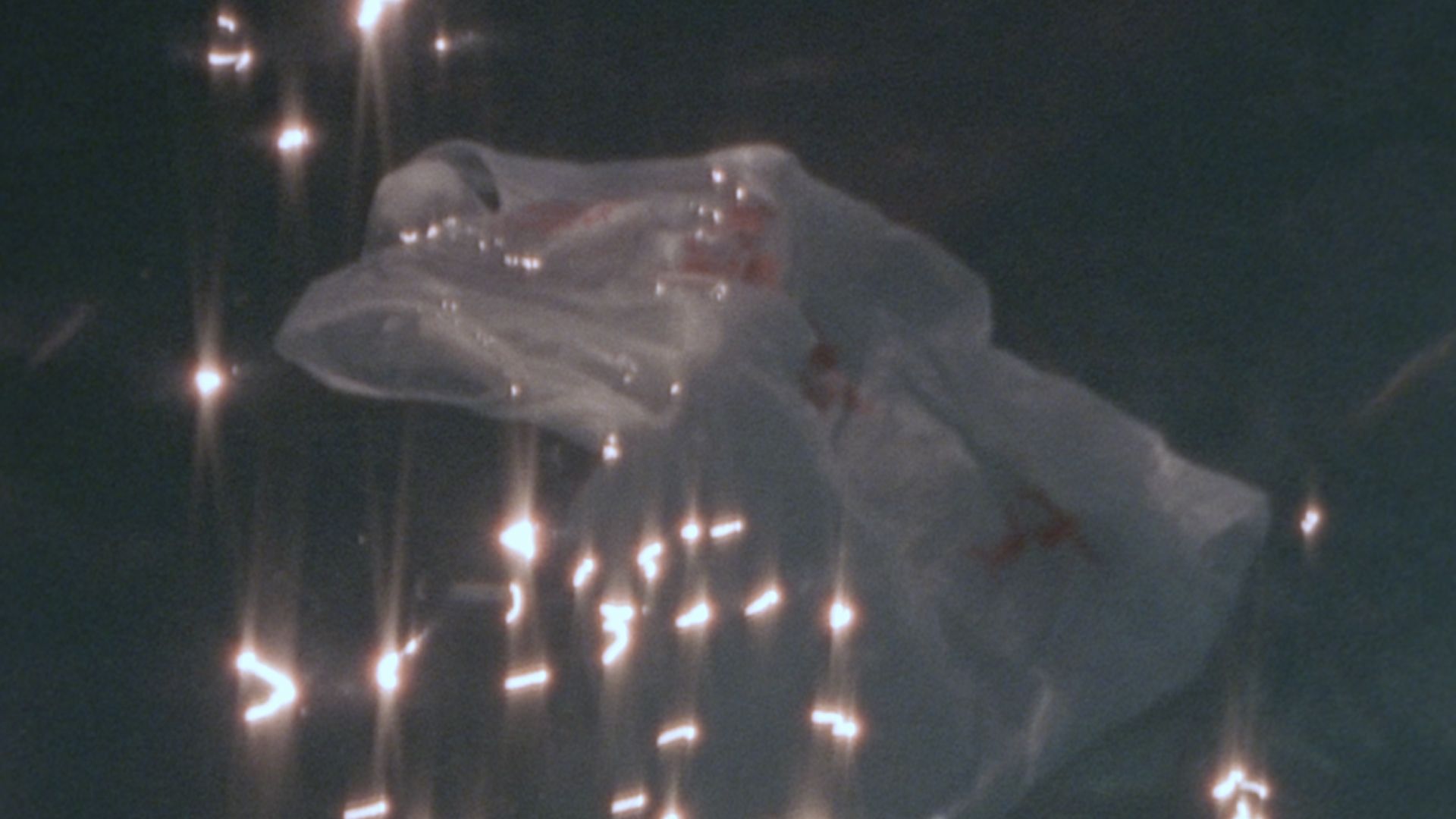
Autodefinidos (Crosswords)
Lucía del Valle Ramírez | 2025 | Spain | Super 8 to digital | 3 min
South, wave, pray, see, grasp, and then buy. Level. Where the Mira River meets the Atlantic Ocean. Sun, fly, steady. It starts like a game, using the words that appear in the crossword book over the summer as a script. Then, it opens up. A fly appears, a sunset in Oia that has passed, the landscape of a painting behind me. A portrait of me moving, and of pointing south.
Aroma
Pablo Arenas | 2025 | Spain | 16 mm | 10 min
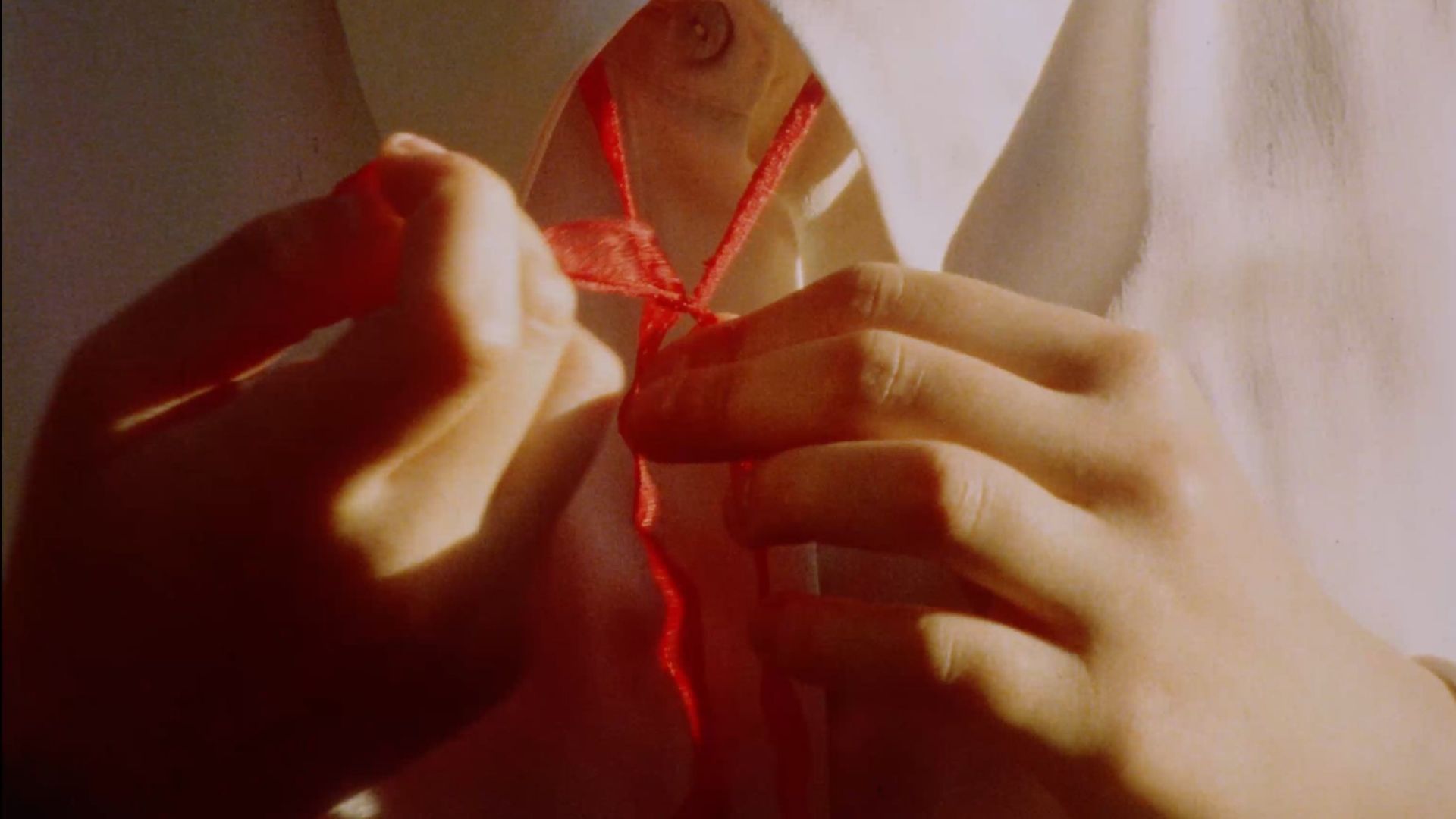
A distant dialogue between two figures. The air is changing; something is about to happen. It is invisible, but there is a smell. And it can be perceived on all surfaces…
Kuñataĩ
Luis Lechosa | 2026 | Spain | Super 8 | 6 min
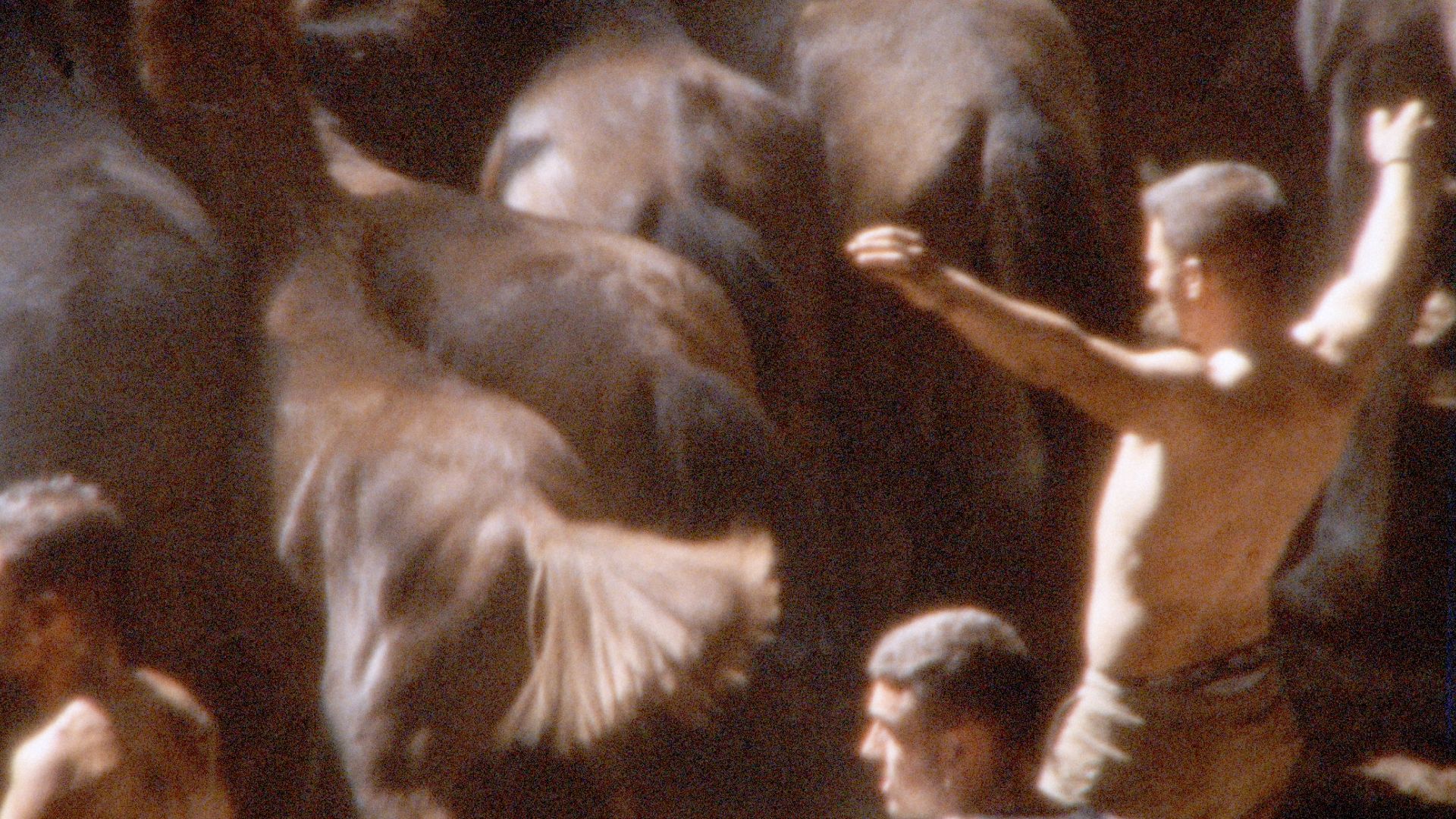
By the hand turned over into another step, it cuts through a white noise where the horses would be.
That its soft song does not reach the landscape. Kuñataĩ.
Bang Stefi!
Super8eres Collective (Natalia Lucía, Elena Maravillas, Meritxell Blanco, Antonia Cohen, Anna Molineros and Ramona Fernández) | 2025 | Spain | Super 8 to digital | 7 min
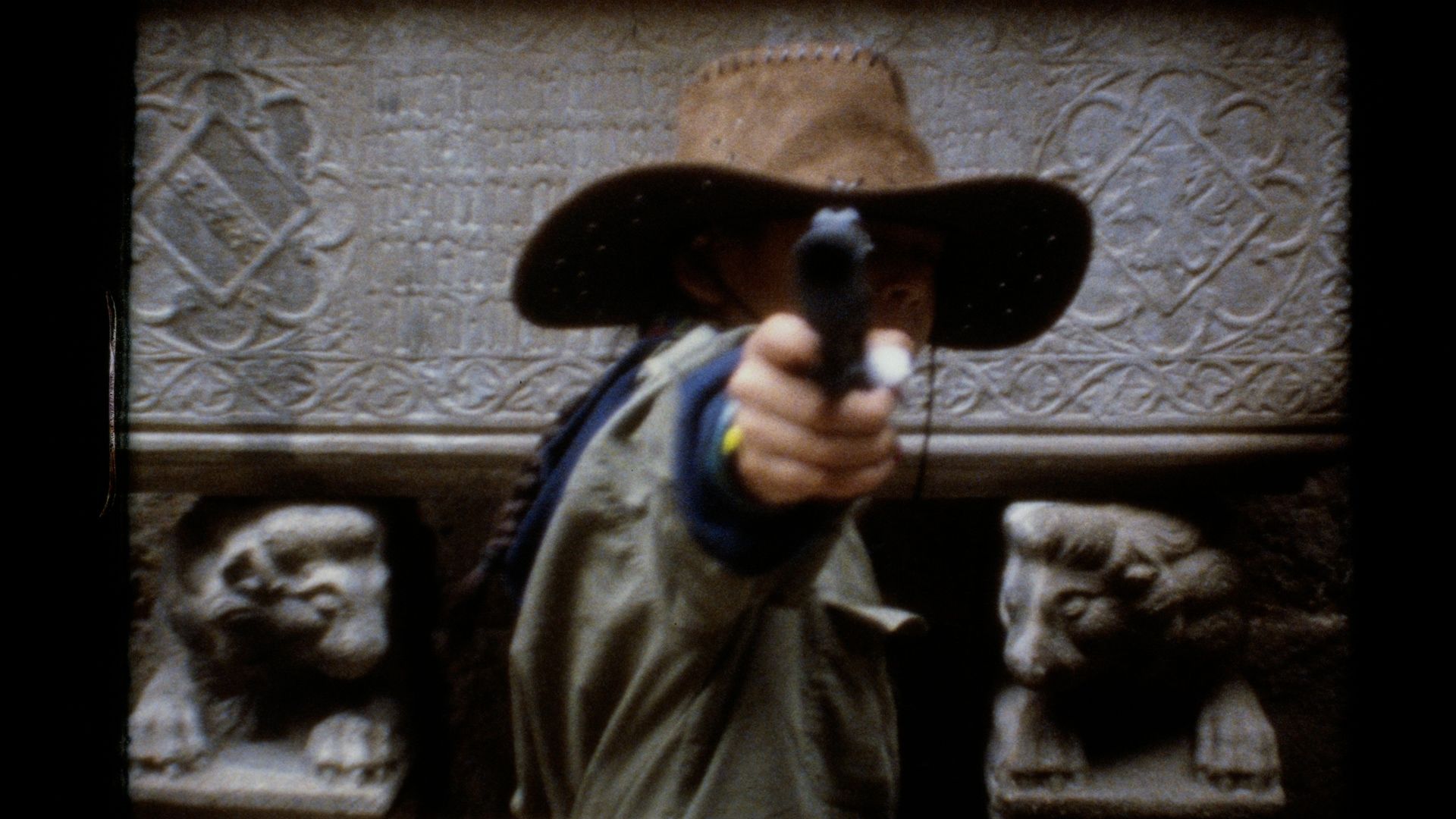
Bang Bang Stefi! is an experimental film in Super 8 that invites us to embark on a dreamlike journey where reality and fiction dissolve. Barcelona and the desert become interchangeable landscapes; figures such as a lion, a child and some female wrestlers cross a world of passion, intuitive gestures and visual symbols that intermingle between dream and memory. The film stems from a desire to reinterpret the Western genre from a feminist, symbolic, and experimental perspective.
UNTIL WE MEET AGAIN
FLESH.WEBM | 2026 | Spain | Digital | 6 min
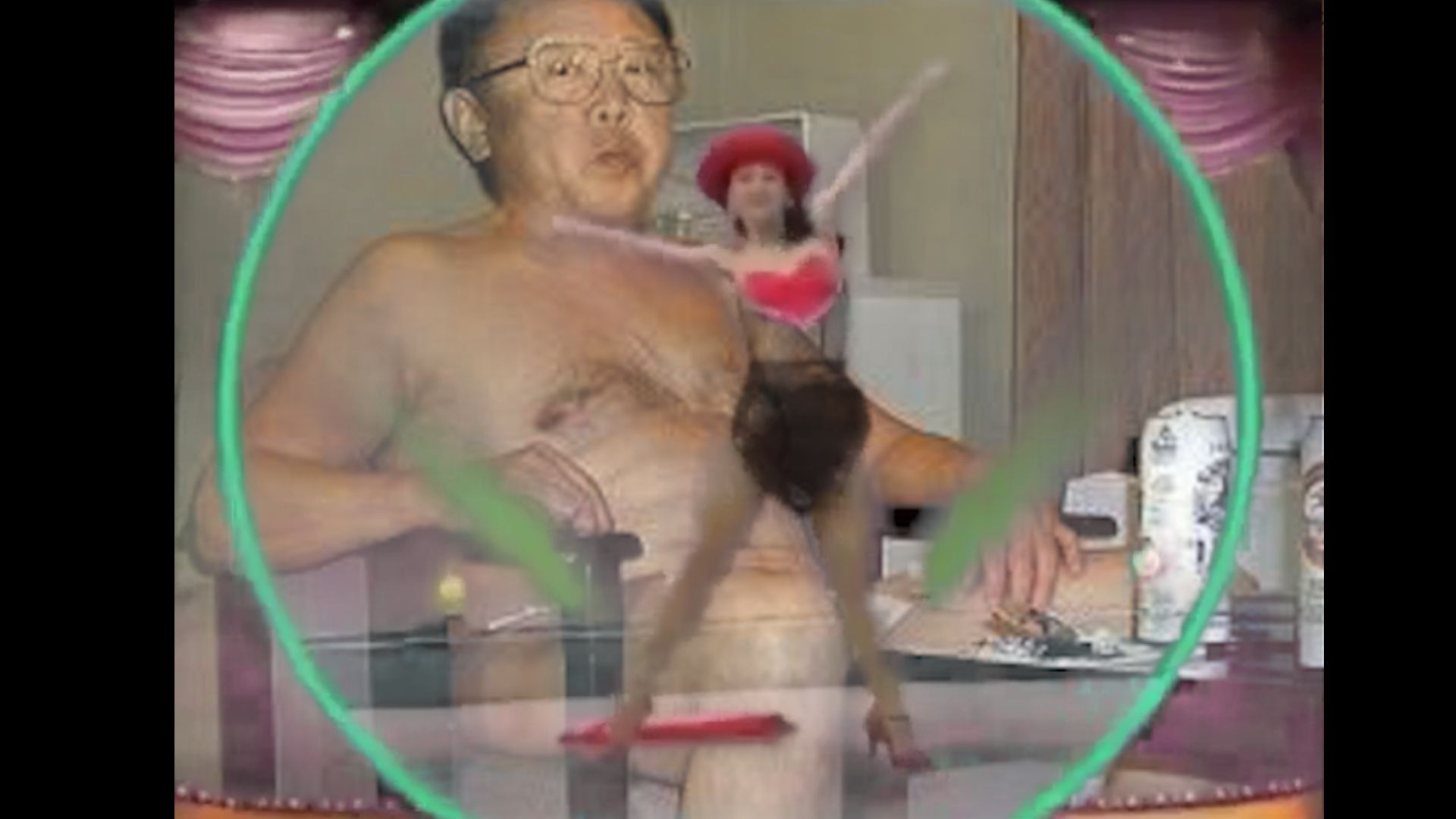
In 1980, the Goombay Dance Band released their version of the Hawaiian song Aloha oe, “Until we meet again”. Back in 1989, North Korea held the “Youth and Students Festival” for a total cost of $4.5 billion. North Korea filled itself with floral-patterned lights and sterile faces in an early Pochonbo musical group singing a cover of Brother Louie to give an image of some familiarisation and understanding of the West, but with the result being complete alienation. That is where the joyful years of lights, shoulder pads and colours came to an end. From 1991 onwards, the period of great famine and total destabilisation known as “The March of Suffering” began. Long gone are the days of presenting Pyongyang as a city of light that never sleeps, framed by tacky patterns encapsulated in sceneries far removed from reality. In 1995 (one of the worst years of the famine), a series of recordings were made showing the dancers of the Wangjaesan light music and dance group displaying exaggerated choreography and covert sensuality, while the regime, oblivious to the crisis, organised lavish events for Kim Jong-il. All of this display was a façade: an aesthetic fantasy that concealed the country’s harsh reality and a non-existent future; all of that was to be covered up by the beautiful dreamlike images found in the sceneries.
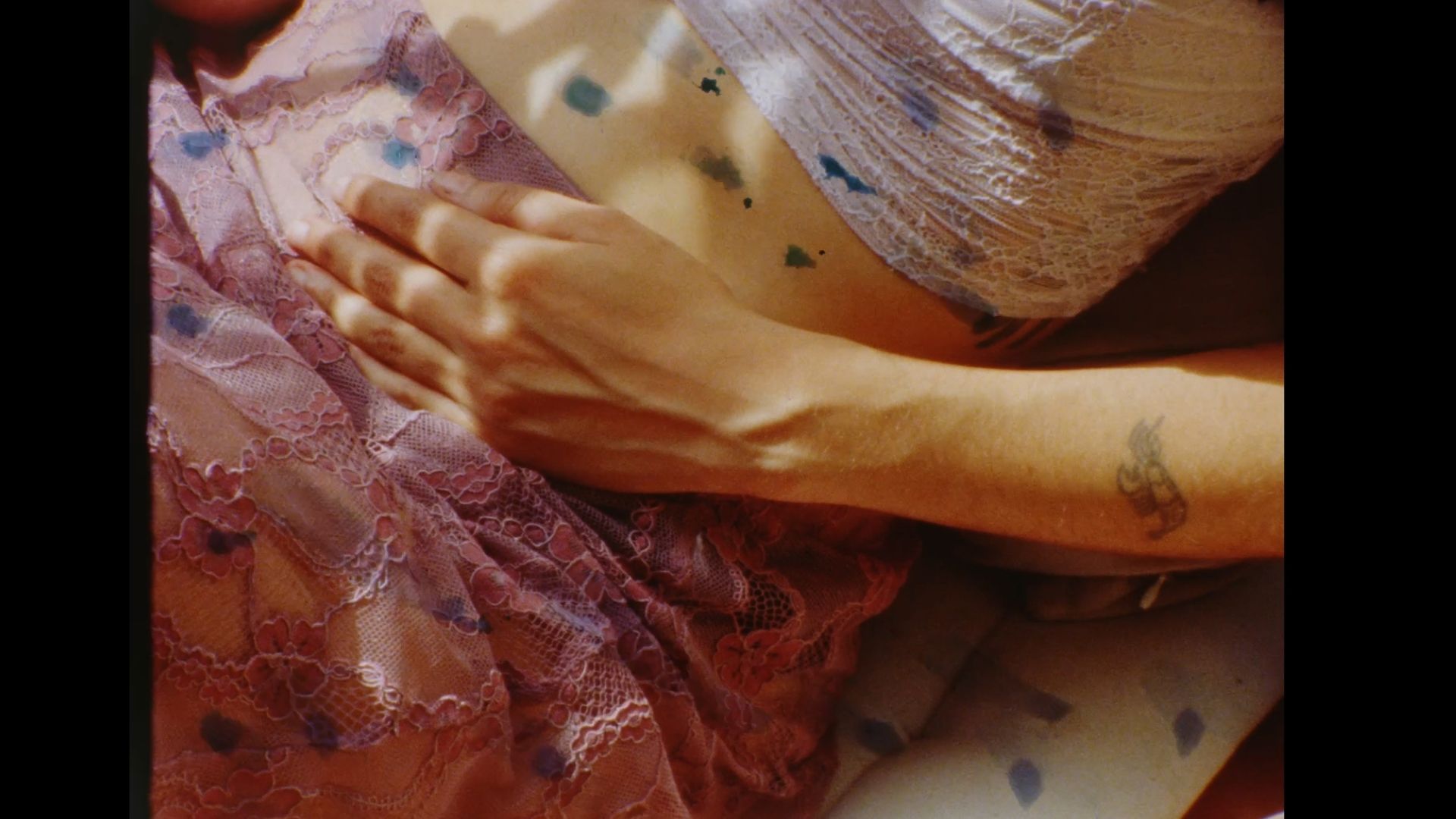
Desayuno con Lara (Breakfast with Lara)
Claudia de la Iglesia | 2025 | Spain | 16mm | 4 min
A 16 mm portrait of Lara during breakfast in her room. From a WhatsApp voice message she once sent me, the film translates her words into matter: watercolours painted directly onto celluloid that embody what we feel. A gesture of mutual care, where the image attempts to hold on to the moment in which two people coincide while going through the same thing.
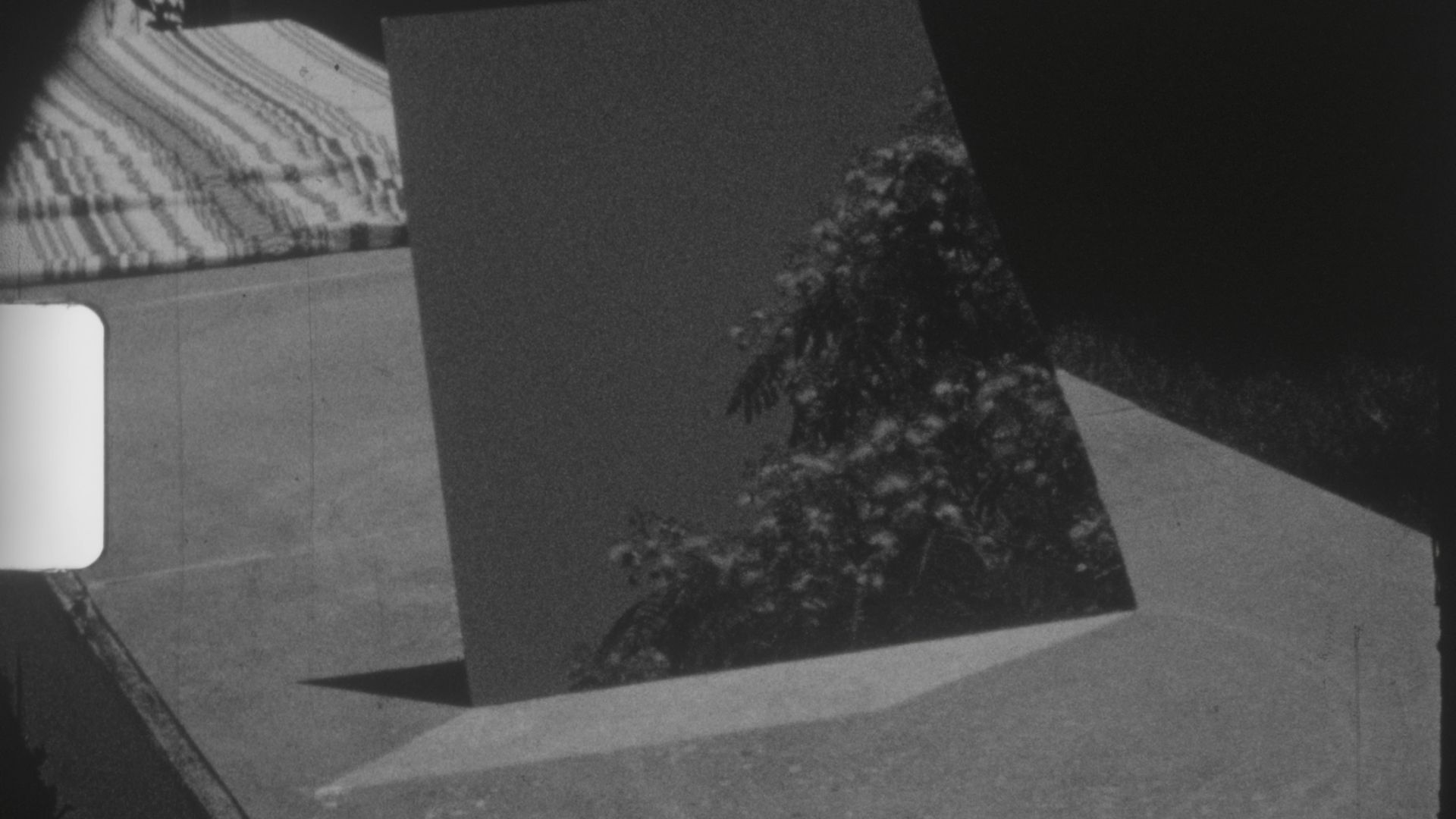
El camino a casa (The way home)
Ceci Romero | 2024 | Spain | Super 8 | 3 min
A poetic essay on the idea of going back to live in the countryside. Shot on Super 8 and using in-camera editing, it pays special attention to the smallest details, which often go unnoticed, and attempts to make the return home more pleasant. Using animation and text, questions are raised about what it means to be human and to inhabit nature; the city tends to put an end to the animals we are.
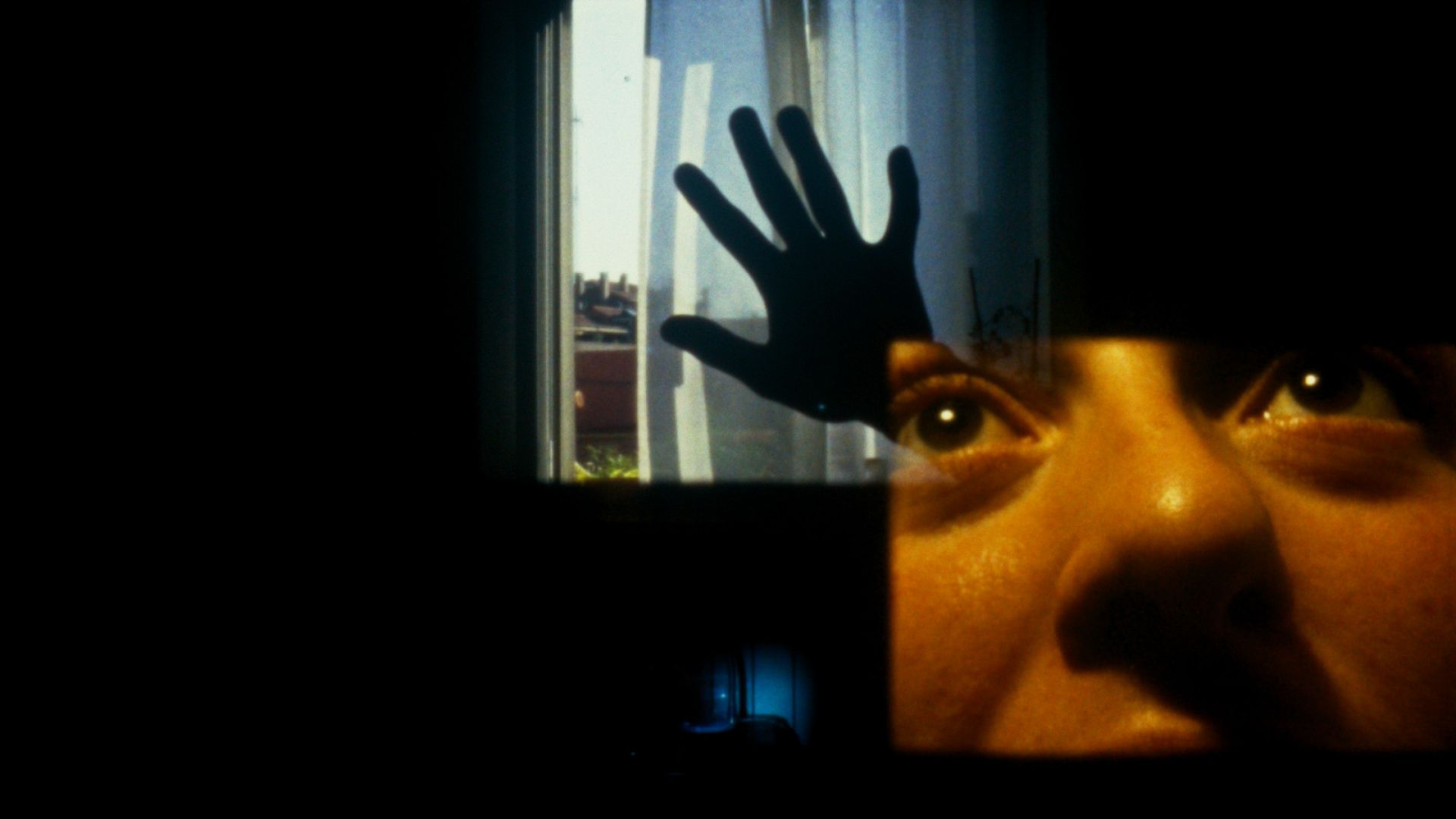
El tuerto es el rey (The one-eyed man is king)
Jorge Domingo | 2025 | Spain | 16 mm | 3 min
A one-eyed film in which the latent is as important as the explicit, the visible as the invisible, the concrete as the hollow, the displayed as the hidden. A film with an eye on every perception, using narrative gestures as sparks for the imagination. In the land of the blind, the one-eyed man is king.
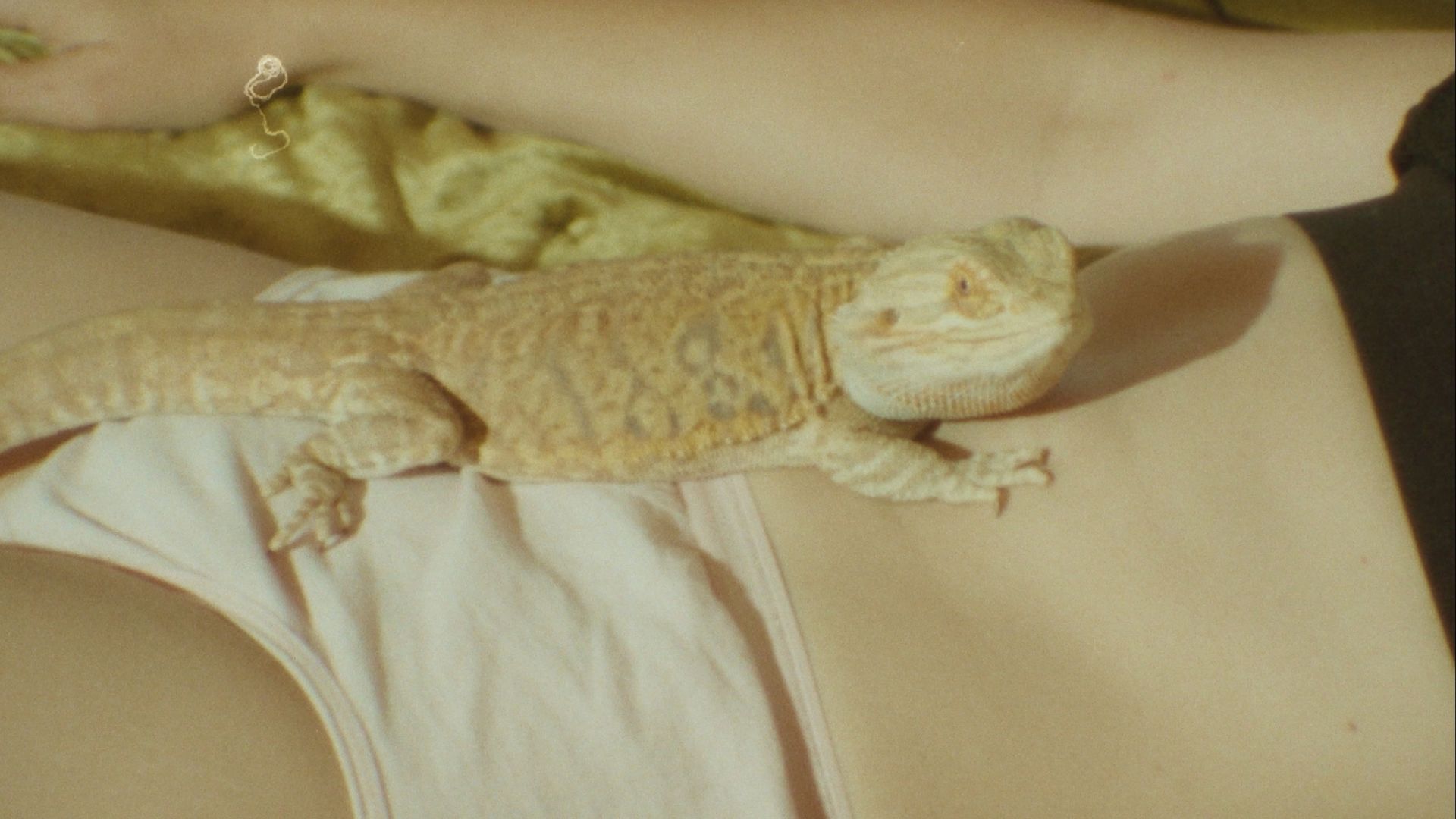
OAO
Rocío Mesa | 2026 | Spain | 16 mm to digital | 24 min
OAO is a cinematic opera in which mezzo-soprano Anna Wallace explores intergenerational trauma, casting a spell to be reborn through the filmic medium.
SINAIS
THE VIEWERFINDER OF THE MIND
If there is one thing that makes art exciting, it is its ability to convey the worldview of those who create it. The Latin word imago means “image, portrait, shadow, ghost”, and from there comes the word imagination, which suggests the idea of “forming a mental image”. The mind is a closed-off, private domain, but cinema helps those mental images to emerge into the world, and therefore into communal contemplation. From the projector’s beam of light those shadows emerge, those ghosts, the imago mental. Moreover, it is in experimental cinema where it can truly be given a free rein: by freeing ourselves from narrative constraints and any predetermined rules, it is the perfect medium for this task.
Each year, the Sinais section provides a screen that acts as a viewfinder for the minds of all those imaginative beings from Spain, Galicia and Portugal who we call upon. Each of the three sessions we hold invites the audience on a different journey.
Programme 1 consists of a series of films that draw up a private view and mapping of various cities, in all cases viewed by people who are not originally from them. When someone comes from outside, they bring a personal and cultural background that leads them to focus on details that are unknown and new to their eyes. Béal by Juana Robles (who was a beneficiary of the last BAICC) shows us various corners of a Toronto neighbourhood whose images are coloured by the (harsh) accounts of life from those who have inhabited it. In Banana Plant, Claudia Claremi draws up a delicate analogy between said plant and a Caribbean migrant couple in North America: the kind of transplant that always comes with special conditions. For her part, Esperanza Collado takes us to Taiwan in Formosa’s Paradox; there is a dream-like sense of strangeness in the images and sounds from that country given to us by Collado, suggested by that curious, detached way of looking that suits the paradoxical situation to which the title alludes: one of an independent state that has not been unanimously recognised. Then Valentina Alvarado Matos’ work Tocant la llum (Touching the light) reinforces the enchanting strangeness by taking us into an Indian community in Catalonia. Alvarado Matos, a migrant in Catalonia, looks in a particular way at people with whom she shares a status but from a diametrically opposed culture. Mirar y aprovechar (Looking and making the most) shows us how two people from Cuba find their place in the El Cabanyal neighbourhood of Valencia: Orisel Castro and York Neudel. The collection of objects at the flea market invites us to think about what is used and what gets discarded as regards cinema itself. Finally, in Vereda (Sidewalk), the Ecuadorian Francisco Burneo carries out a kind of formal geometric study of Madrid’s architecture. In that demonstration of parts that fit together which he presents to us, at one point there is space for human beings. Homes are not the houses, but the people.
Whereas Programme 1 takes us through the ideas and sensations projected in different cities by people from outside, Programme 2 shows us places and spaces whose images pulsate, revealing the existence of other underlying layers, be they legendary, historical or even procedural. Constant, Co-present by Nicole Remy brings us to this latter point: trees from different geographical locations filmed using a precise method that leads us to the intense presence invoked by the act of filming, to its concentration and the connection with what is being seen through the camera. In Rachar en dous, Area Erina also makes use of the landscape which, through a woman’s figure dressed sometimes in white, sometimes in black, seems to symbolise the two polarities of the soul. Erina’s animated procedure reinforces the idea of contradictory impulses and irreconcilable yet coexisting, divided feelings. Entering into that symbolic world, Tiago Almança gives us a sensory, abstract record of a ritual from a town in Castilla-La Mancha. But Una dança non sancta does not seem to be a filmed folkloric event so much as the very origin of the rite, the supernatural forces themselves dancing before our eyes. In that search for the hidden, with Luz ígnea (Igneous light), Catalina Giordano shows us the invisible traces of the German abbess Hildegard von Bingen in the ruins of the place she once inhabited. We now fully immerse ourselves in the domain between the world of the living and the dead through photochemical experimentation in the second part. In this vein, in el agua disuelve su imagen, el paisaje desaparece (Water dissolves its image, the landscape disappears), Delfina Vázquez’s film takes advantage of the quality of being between two worlds; a quality held by the film that has deteriorated over time. The magenta-tinted images are flooded with a “rain” of streaks and scratches on the emulsion in a sense-related metaphor. In the case of Mirar el agua (Looking at the water) by Cristina Souto Pita, we delve into the waters of a reservoir and its paradoxes: from the beauty of moments of swimming and pleasure, to what was necessary for that place to exist: the violence submerged under the crystalline, peaceful surface. That silent burden of the landscape also emerges in A Pena by Iria Silvosa. Megaliths, their ritual and magical purpose, the immutable quality of the stone, and how they encapsulate within themselves the time and memory of those who we will only know through their image and who it is only possible to imagine. By also showing us more than the obvious, in dashed in here, seeing you green, Blanca García takes us through her mental image of a fragment of Virginia Woolf’s The Waves constructed through light, shadows, reflections, textures and the shapes of the smallest things surrounding her. That activity of carefully observing what appears to be inconsequential is also found in Poco a poco (Little by little) by Álvaro Feldman. This is a diary record of moments—some everyday, others exceptional—that holds within it a palpable emotional force, and even some melancholy regarding the ephemeral. What every individual sees through their window is also found in such everyday gazes. In Antonio Trullén’s Li’s Fenster, we can see how the immovable moves, and how the passing of time is denoted by the shifts in a view that is always the same and never is. While Li’s Fenster looks out of a house, Destellos (Flashes) by Emiliano Reyes is a hallucinatory record of what happens within it. Through an intricate process of frame-by-frame filming of areas of light and shadow, Reyes’ house seems to have a life of its own; a life it shares with that of the family living in it, for whom there is also a space.
Following Programme 2, which attempts to look beyond the obvious at the layers behind each image, in Programme 3 we shift towards the dream state that directly colours what is being filmed, whether by means of mise-en-scène, devices or different fabrications. Cascada (Waterfall) by Raffaella Rosset opens the session, bathed in the colour of light broken down (live) into its entire chromatic spectrum. The “Mayaderenian” beginning of Hifas (Hyphae) by the Avis Lumbre collective kicks off a collective game of creation in which the means of communication between the participants seem to be luminous glints and intuition. Communication with a specific recipient is also the driving force behind Carta #10 (Letter #10) by Helena Estrela, which also acts as a notebook for minimal notes, and as an imaginative, playful approach to the possibilities of combining images and sounds. Autodefinidos (Crosswords) by Lucía del Valle Ramírez also holds within it the enigmatic tone of being a coded language shared with a close person, expressed through a game of visual answers to the crossword puzzle. Aroma by Pablo Arenas presents an abstract, minimal fiction via the interaction of two figures, along with the synaesthesia underlying its images evocative of touch and smell. Luis Lechosa’s work Kuñataĩ then raises the question of how to tame a horse, but this gesture of taming seems to be more about converting it first through cinema and then through painting into a depiction. Bang Bang Stefi! by the Super8eres collective (Natalia Lucía, Elena Maravillas, Meritxell Blanco, Antonia Cohen, Anna Molineros and Ramona Fernández) also creates a two-way dialogue with fiction cinema, in this case with Western films: how to turn the everyday into a Western, how to turn the cinematic genre of masculinity into a feminist film? This idea of representation also runs through FLESH.WEBM’s latest work UNTIL WE MEET AGAIN, made with found footage from North Korea. Performing glitter and fantasy amidst the greatest social chaos turns this film into a critique that also shifts its gaze towards our capitalist society. The action of colouring reality becomes practically literal in Desayuno con Lara (Breakfast with Lara) by Claudia de la Iglesia. The intimacy of a portrait of a friend, and the confessional tone of her voice are enhanced by the artist’s physical intervention on colouring the film. It is a gesture of closeness and friendship. Within that homely intimacy we can also find El camino a casa (The way home) by Ceci Romero, and El tuerto es rey (The one-eyed man is king) by Jorge Domingo. In the case of Romero, she exchanges what is real with what is extraordinary by playing with mirrors, text, and stop motion animation. In Domingo’s case, what happens in a room is fragmented into different pictures and cutouts that disperse or fix one’s gaze, merging different times and condensing a life experienced in a space. Finally, in OAO, Rocío Mesa creates a portrait of her friend Annie Wallace that is a kind of healing ritual through colour, motion and different mises-en-scène. Surrealism and fantasy turn a difficult past into a kaleidoscopic new reality that liberates her and, in the process, also heals us.
Elena Duque