BRUNO VARELA
PROGRAMME 1 – THE STRUCT-RURAL FILM READER
Domus | Wednesday June 3rd | 20:30 | Free entry to all venues until full capacity. It will not be possible to enter the venues after the screening has started.
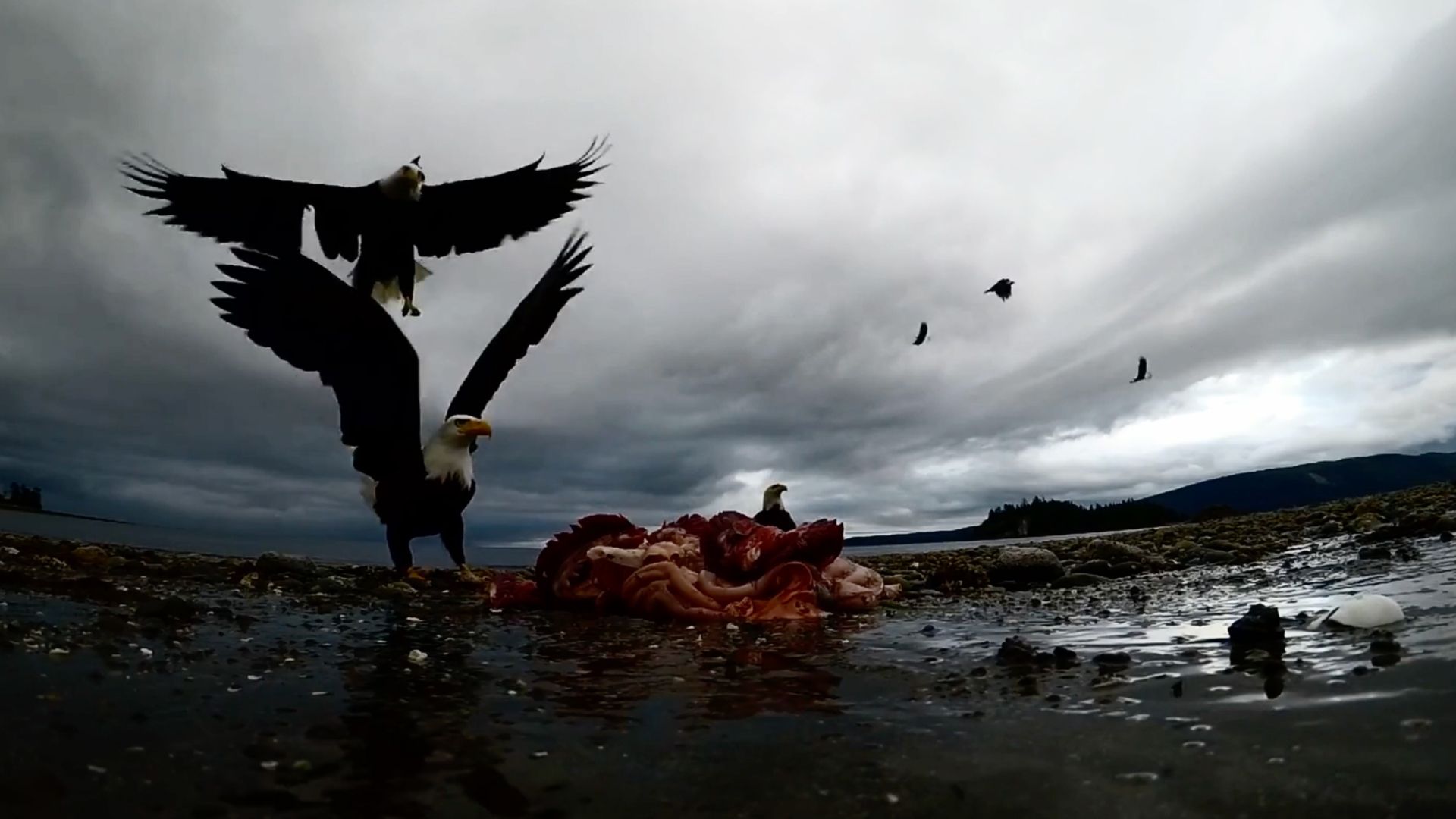
Trans-apariencia-estéreo-voodoo (Trans-appearance-stereo-voodoo)
Bruno Varela | 2025 | Mexico | Digital | 18 min
A) Where do devices for capturing the world end and other instruments for perception begin? At what point did everything become camera, screen, microphone, resonator, amplifier?
B) Artefacts de-programmed by hands, beaks, tentacles. Claws, pincers, jaws explorations of other tangible worlds
C) machines with a will, crossed with forces, presences, manifestations gravity, radiation, electricity, magnetism
D) human-operated buzzing machines invading plateaus of other beings
E) machines controlled and programmed by humans erase the world, pulverizing it into contrasting lumps of high-resolution genocidal grey in 4K; there is no minimum unit possible; anything that does not fit is also present
A cinema that conceives of itself as archive, fragment, and totality at the same time.
Temporary clot, subatomic mosaic that arranges itself as imagined matter, albeit provisionally.
An agreement ordered by a machine and a gaze.
Cinema as an instrument for transformation, fostering encounters with the other. It dislocates us from the present, to place us in the present. A cinema that conspires and encourages conspiracy.
Machines that dream of images impossible to see with a human way of looking.
But they make the world imaginable for humans.
(Bruno Varela)
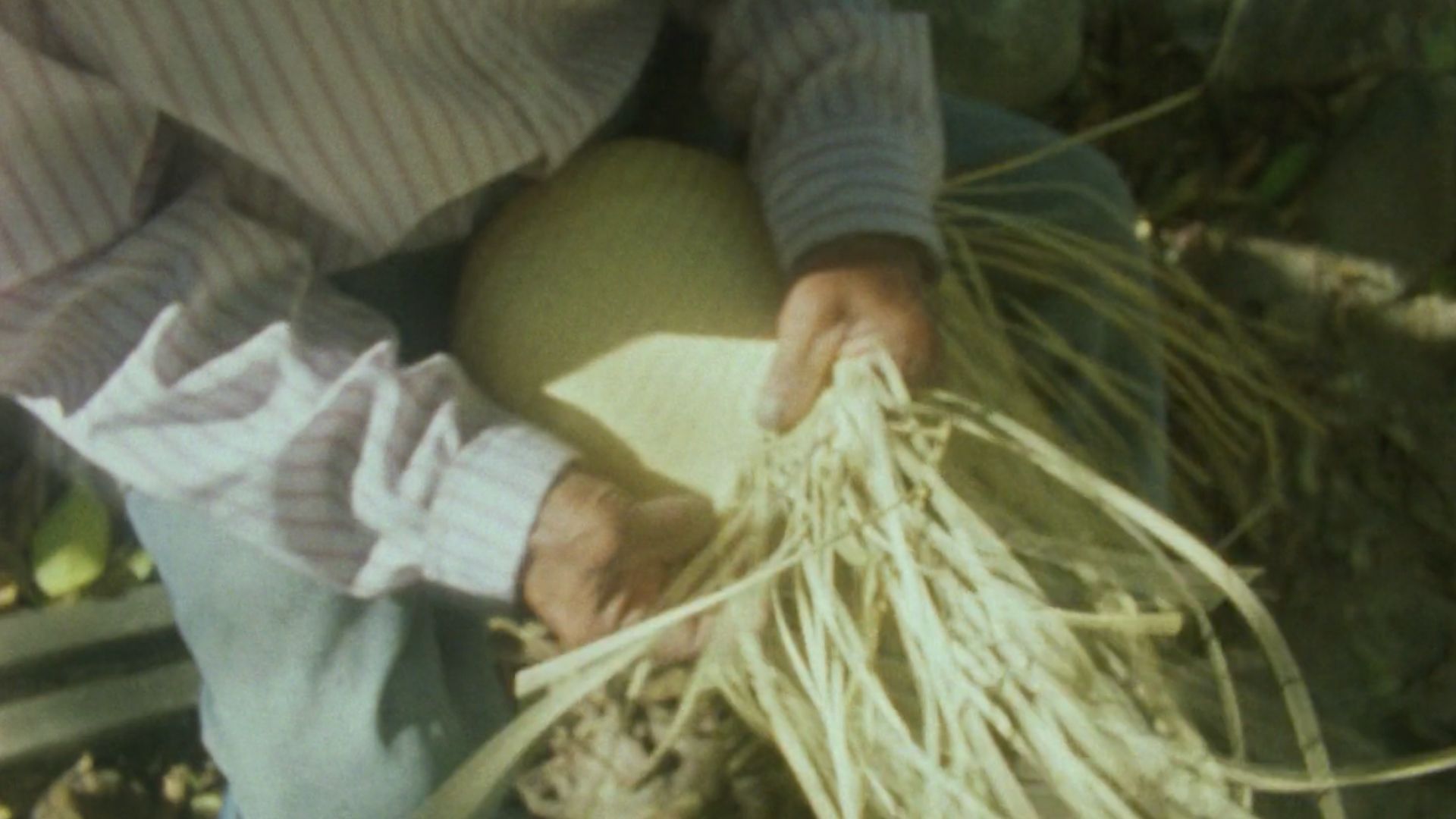
Ombligo de sombrero (Hat navel)
Bruno Varela | 2025 | Mexico | 16 mm to digital| 6 min
shield of vegetation
sharpened edge of the world
repeated patterns lend shape
paths
structures agreed upon through dreams
a world is woven
its edges
its centre
inside and out
every hat resembles the previous one and the one to come
it is always unique, last and first.
navel-centre-pattern-text-fabric
map hat
sun garment
(Bruno Varela)
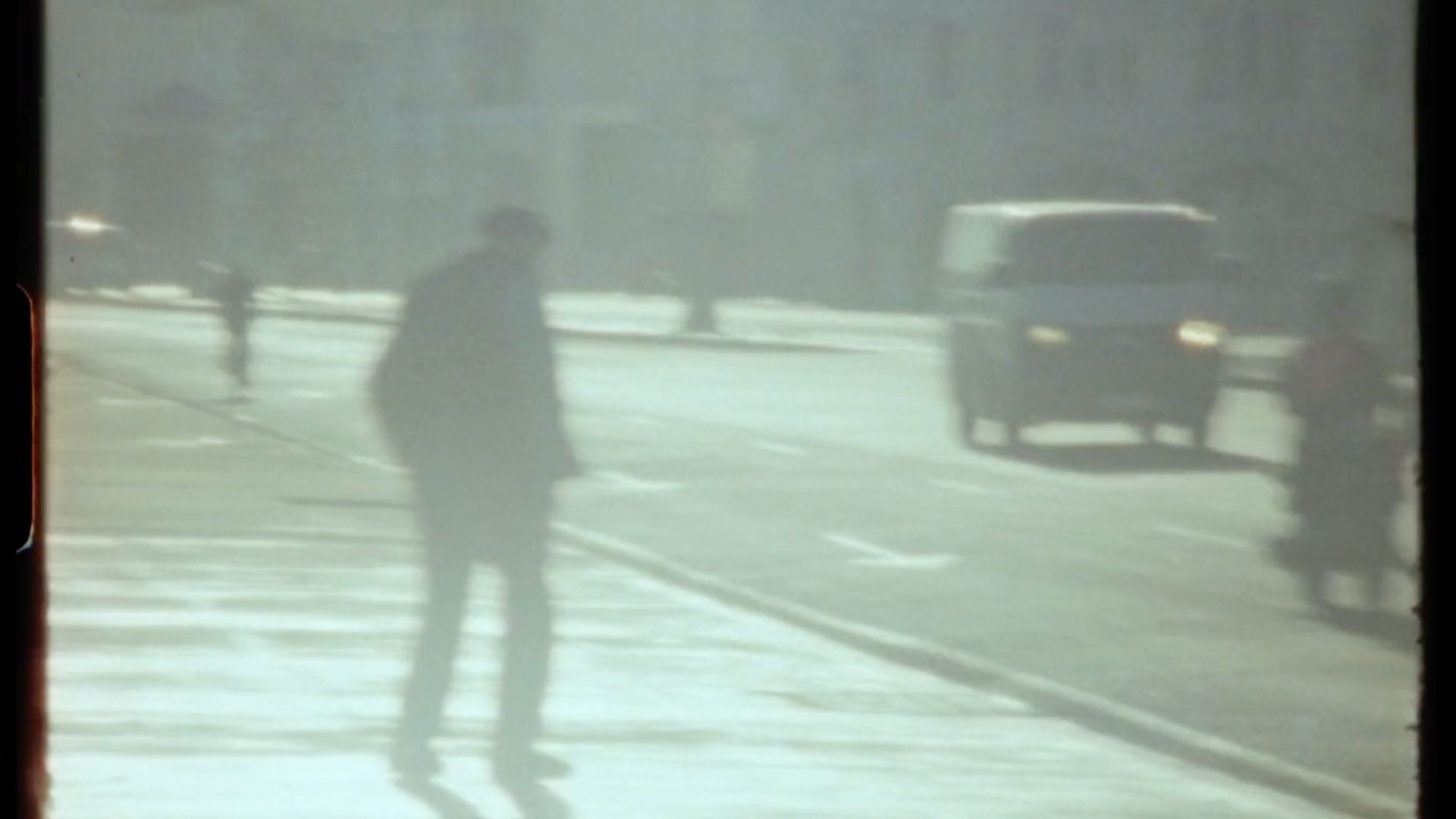
Dedondeson loscantantes (Wherethesingers arefrom)
Bruno Varela | 2025 | Mexico | Super 8 to digital | 3 min
From that brief but intense trip to Havana, a roll of Super 8 colour film, shot like a drawing, a bottle on the seashore.
Loose syllables, small happenings always manifest themselves.
There remains a necklace of glass beads.
Annunciation.
dedonde son loscantantes is a formal, baroque, and structRuralist exercise.
The material runs out and in the reiterations. Edited in-camera, disassembled on timeline.
(Bruno Varela)
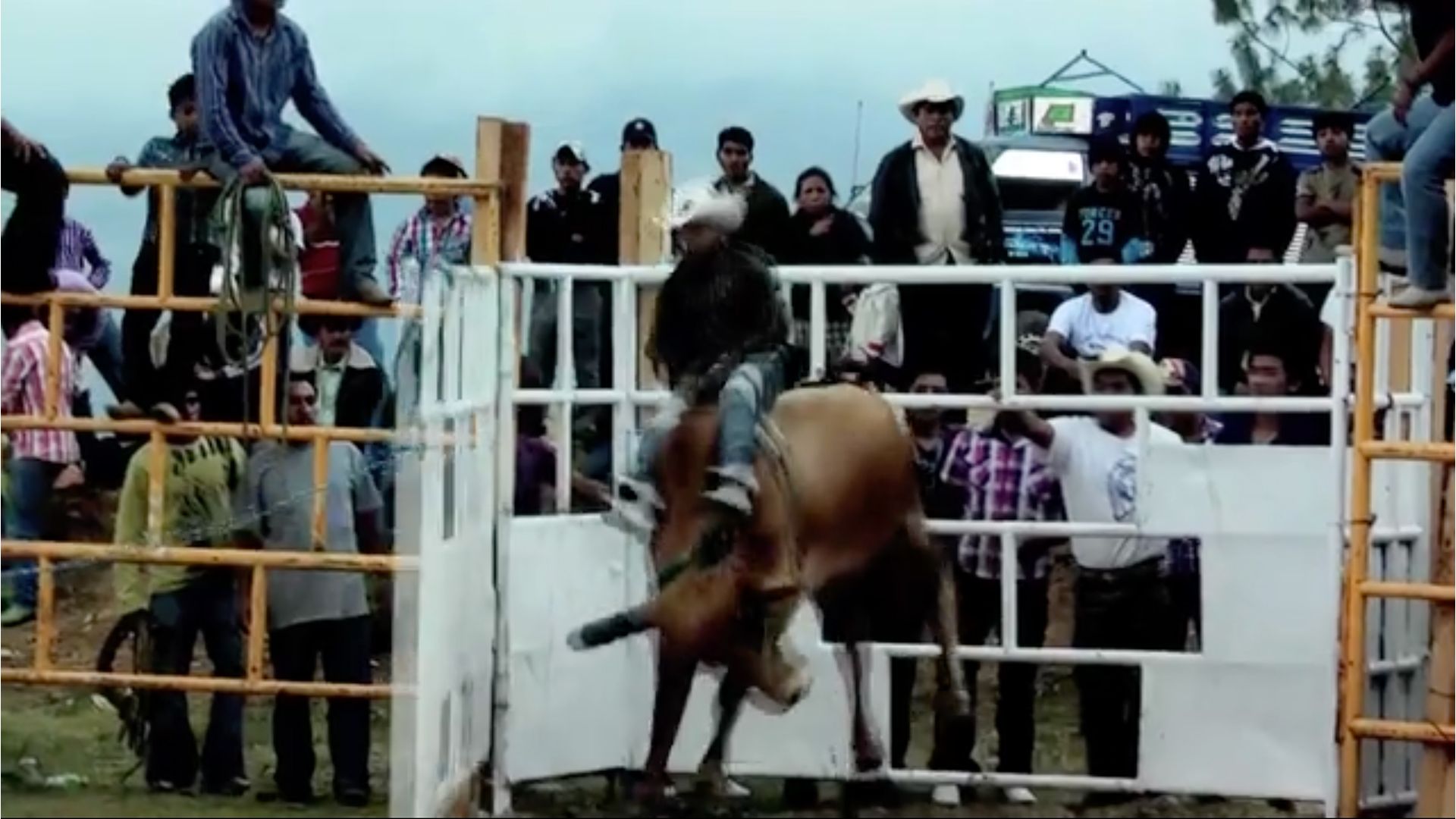
Estela (Wake)
Bruno Varela | 2012 | Mexico | Super 8, Video 8, VHS, Mini DV | 9 min
Intermediate documentary showing the outline of a missing character. Ghosts marching for recognition of their absence, nebulous memory, fleeting vision assembled from scraps of orphaned material and analogue videos adrift.
(Bruno Varela)
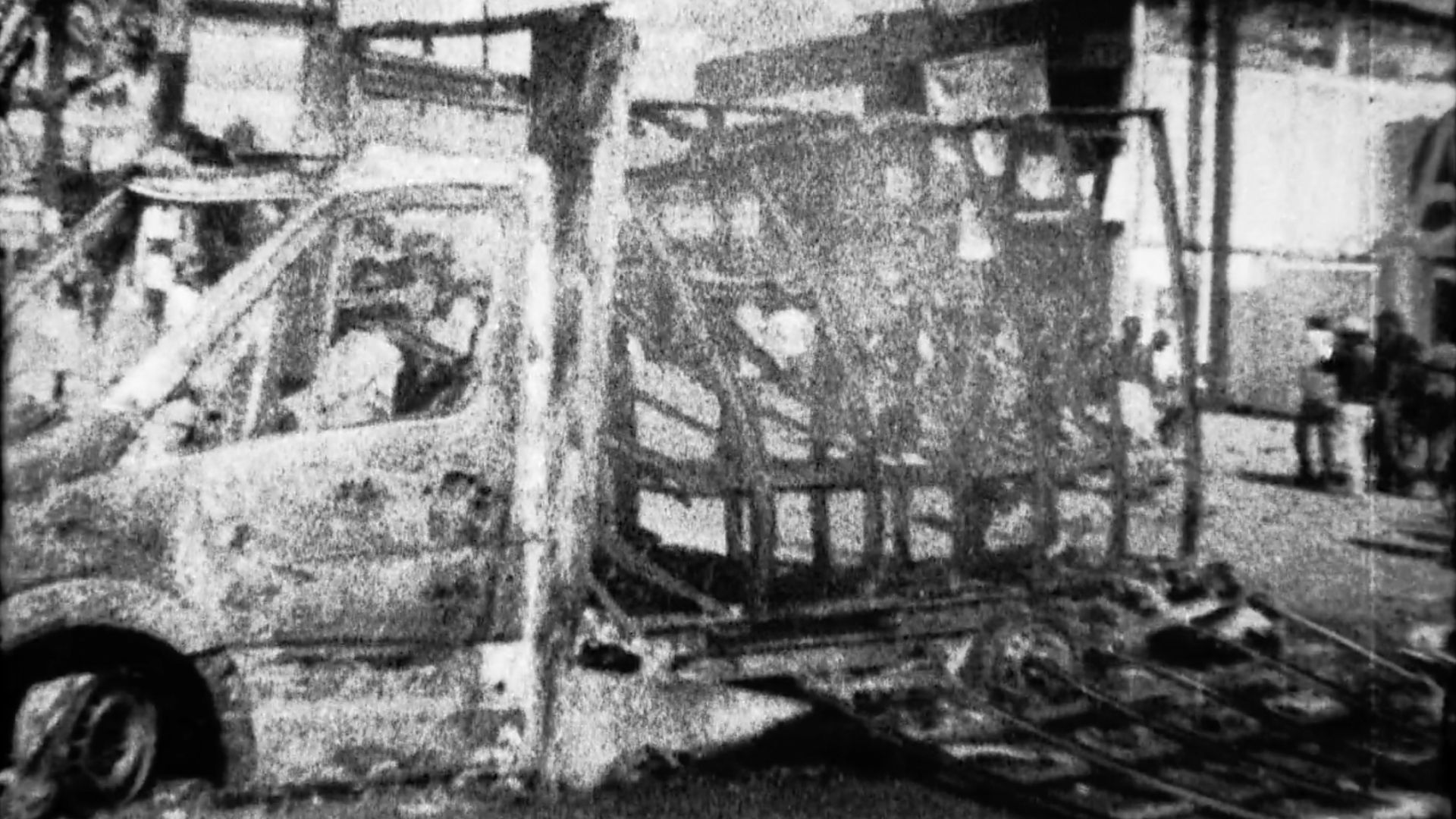
Perturbación y reflejo (Disturbance and reflection)
Bruno Varela | 2022 | Mexico | Super 8 to digital | 3 min
perturbación y reflejo (disturbance and reflection)
(a psychic-materialist film)
we are all waiting for our time
a chance to erase the future
to break up the places where some kind of normality occurs
to break up the acquired habit of living as if we were not in the world
all encounters are political
not to vampirize the revolt by stylizing it
it is the encounters that have actually taken place within it that resonate.
nobody could say what an encounter can do.
how to film a protest?
from where?
for whom?
what is the next protest? when it starts up again, like images
The agitation in the developing process is related to the agitation of bodies
Super 8 film shot in 2017 during the protests against the visit by President Enrique Peña Nieto.
Hand-developed that same year, scanned 2021
(Bruno Varela)
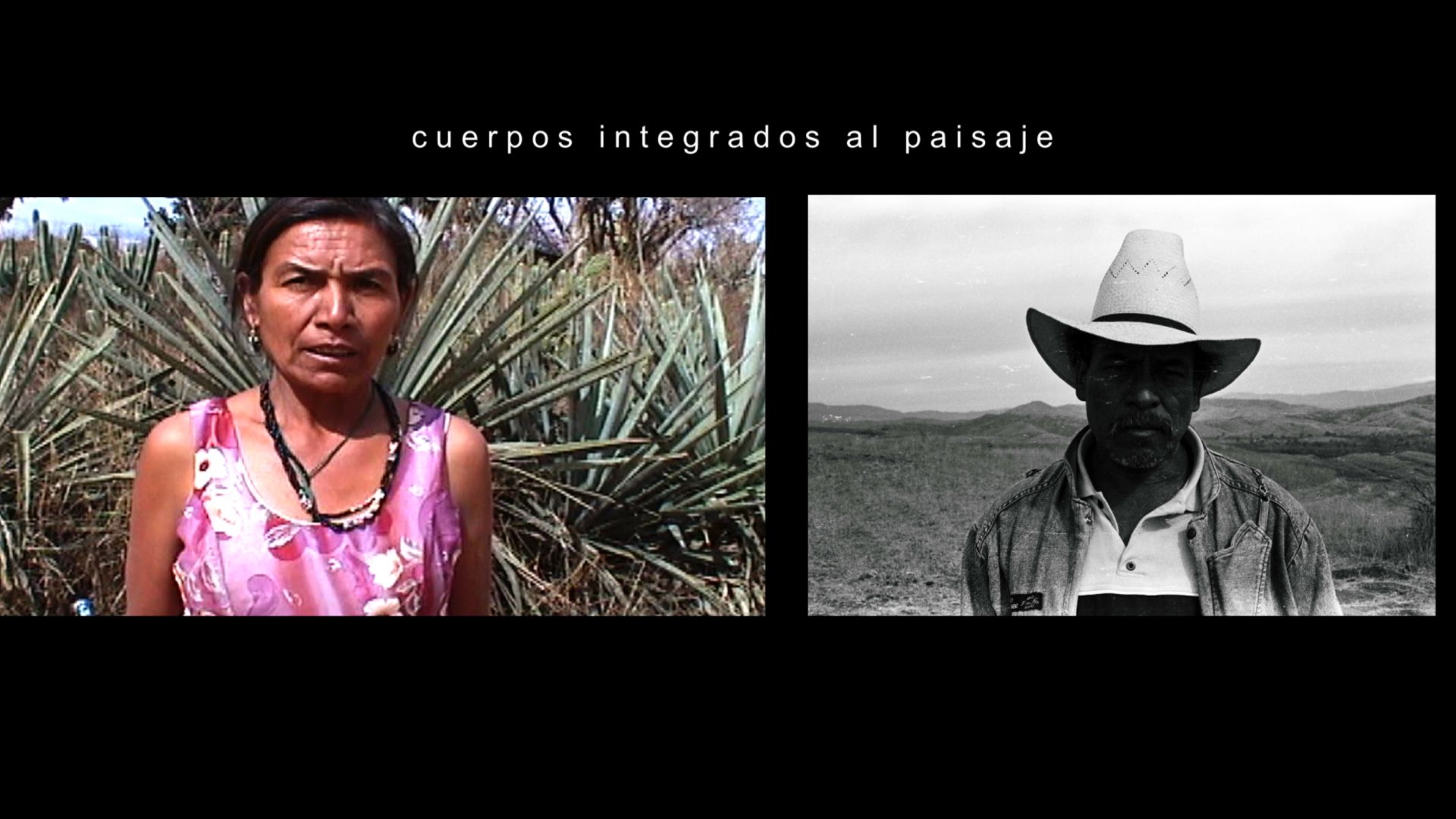
Cuerpos complementarios (Complementary bodies)
Bruno Varela | 2022 | Mexico | Mini DV, Digital 8 & 35 mm digitalized photos | 5 min
In 2001, the artist Shirin Neshat came to film in Oaxaca with the legendary Darius Khondji as director of photography and an immense production team. We were in the casting process, 400 people from the various communities around the El Manzano ranch to work on the film. Photos were forbidden during the activity, but the two-month work of searching generated videos and photos. A log of faces, places, landscapes.
With the video, the essay Papeles secundarios (Supporting roles) was made in 2003, achieving some resonance and circulation. The photos were lost among other materials and during transport.
The film has virtually disappeared today, except for collectors.
But there is this behind-the-scenes document that contains clues and some images from the film.
(Bruno Varela)
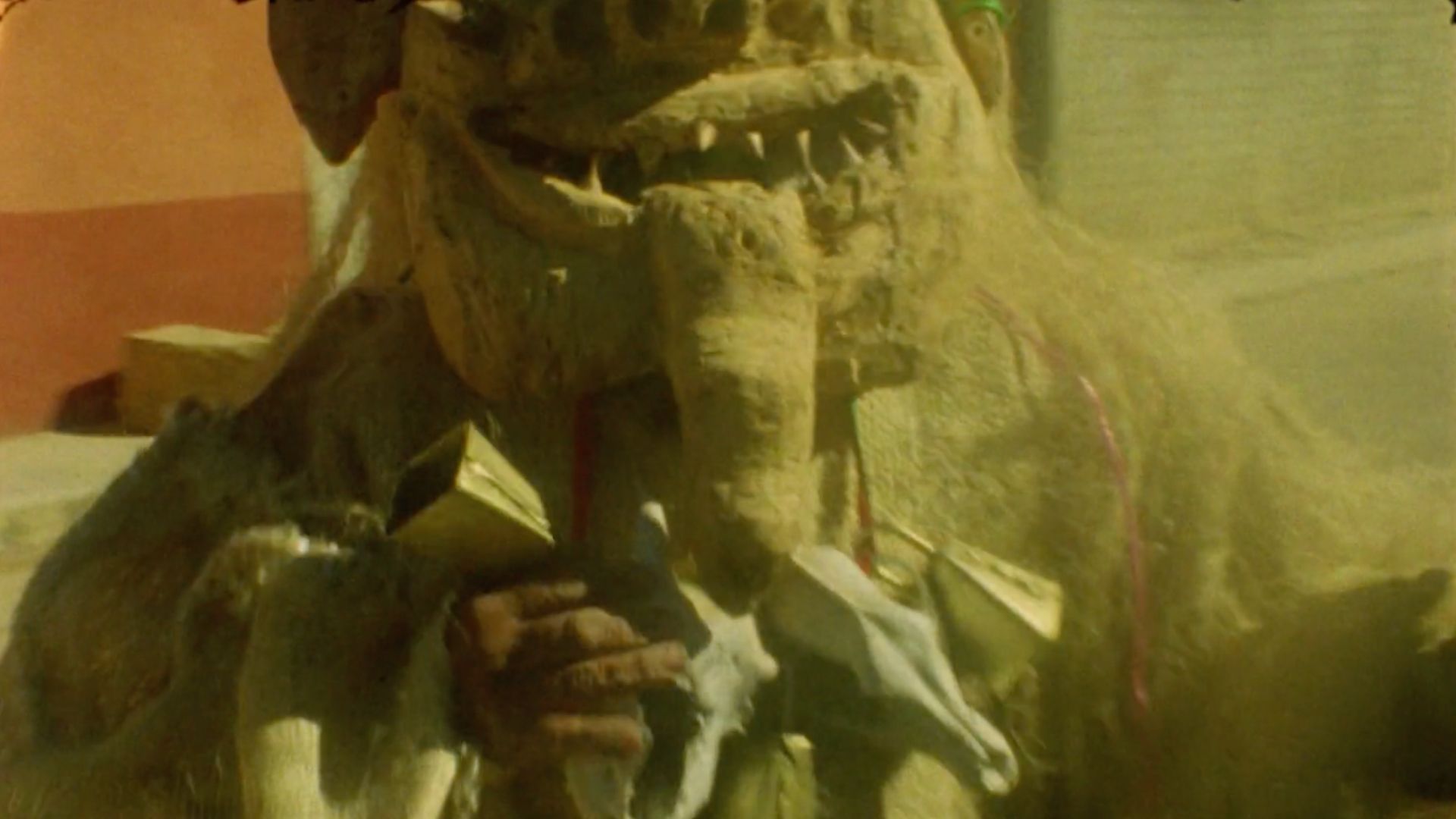
Heraldos de neón (fulgurantes) (Neon (flashing) heralds)
Bruno Varela | 2026 | Mexico | digitised 16 mm & digital video | 15 min
propagators, dispersers, transmitters; all signals were infested.
after the third wave of plague, all direct contact was restricted.
exposure of bodies to the environment was limited to a maximum of 5 human beings in the same place
we are the bodies where the virus hides to enter into existence
all potential carriers
the neon heralds emerge to expose themselves to the scorching sun, to show off their glowing skin
to practise direct breathing.
to respire at the same time, to conspire
immersed in the environment, no mesh separates the living.
we do not inhabit the earth; we are immersed in its atmosphere
we breathe it in.
(despite a few little typos…it’s a great pre-visualization)
(Bruno Varela)
Re-edition in 2026 of Heraldos de neón (2020)
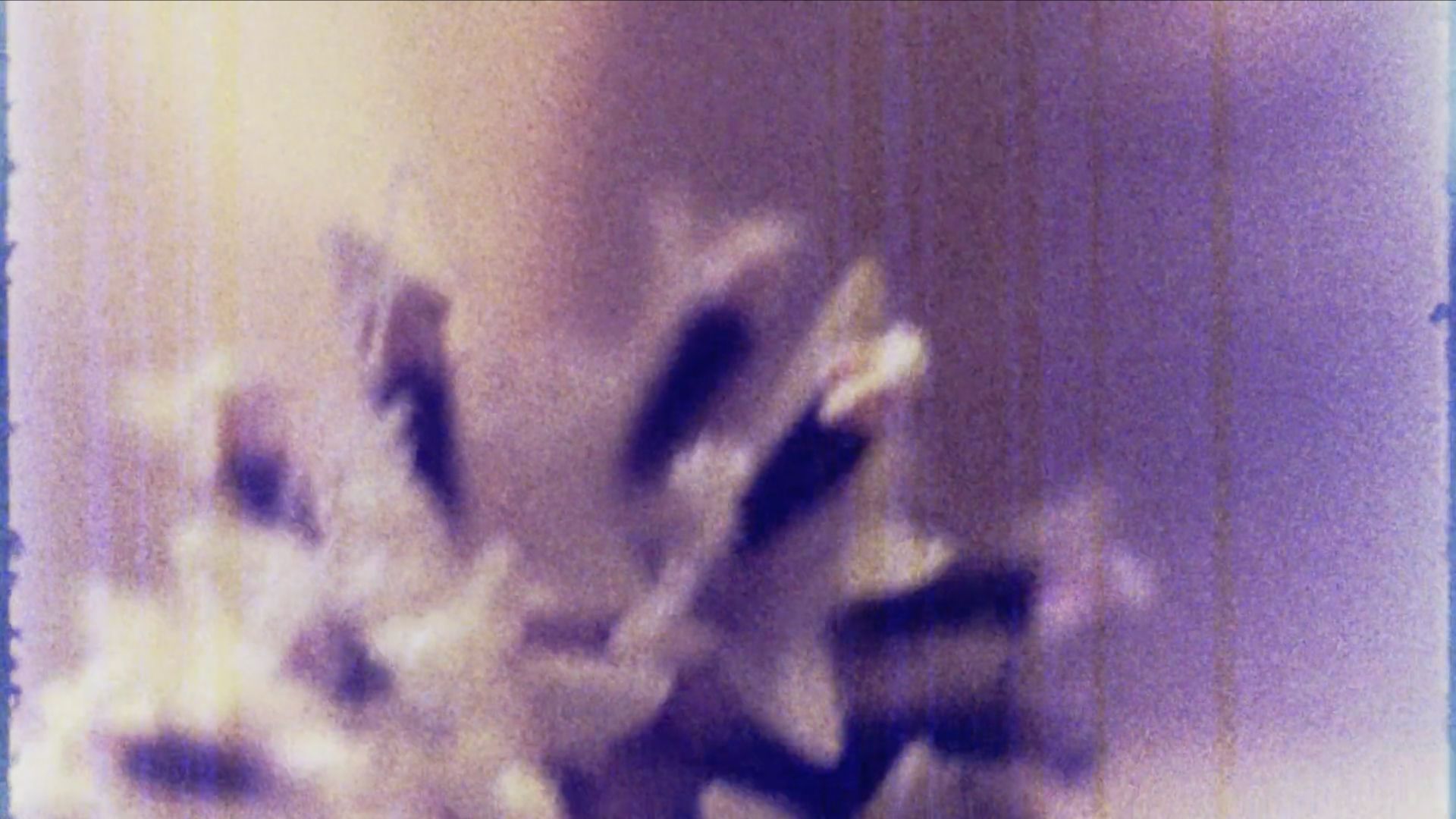
Impure presences (the thickened light)
Bruno Varela | 2023 | Mexico | 16 mm transferred to 35 mm | 6 min
Dense times
Poorly clotted
Coagulated within other clots
Sedimented emulsions; strata of a desiccated world.
Forms of interface
Zones for exchange. whispers, secrets
subtle forms of existence
traps of light and time
The programme against the programme
research from the smoking ruins of capital cinema.
(Bruno Varela)
35 mm screening with live music.
Polen negro (Black pollen)
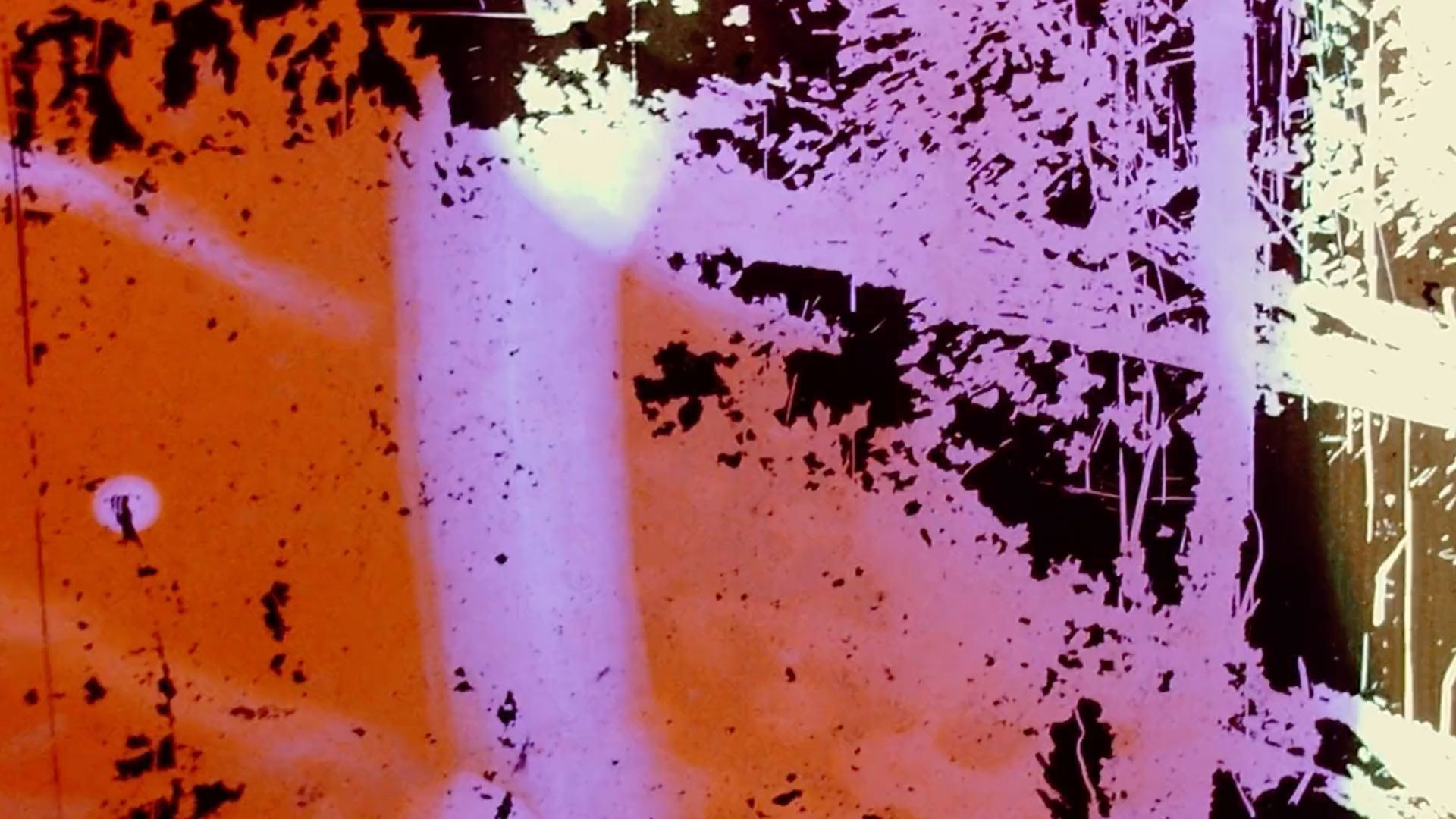
Bruno Varela | 2026 | Mexico | 35 mm | 13 min
Pulverized images slide over soft, sound-emitting surfaces. Surface tension taken to its limit. Spectrality, shadows, imprints left of light.
Abyssal trials.
Splinters from the manual 35 mm process, scratches, chlorines, double exposures, so as to carry
the material later to an experimental scan… there are more than 20,000 loose images ready to run at 24 frames per blink.
(Bruno Varela)
35 mm screening with live music.
With Che Garrido & Chago accompanying in Presentes impuros and Polen negro
Chago (Codex Editora) and Che Garrido (VoChiCong Ensemble, Zunzún) are members of Colapso Colectivo, an association from Compostela coming to this city with music from the fringe. They both work with sound from perspectives where improvisation and randomness are an indispensable part of their performance, taking a mixed approach with traditional instruments, samples and granular synthesis in order to create a narrative for a fictitious landscape.
https://colapsocolectivo.org/
https://codex-editora.bandcamp.com/
https://chegarrido.bandcamp.com/album/el-muelle
BRUNO VARELA
A MOON OR ONE OF ITS FORMS
Bruno Varela (Mexico City, 1971) is a foundational figure in Latin American experimental film of this century. Highlighting his significance in an exhibition of his work in Europe faces above all the challenge of highlighting his role as a teacher. With Varela, any feelings of familiarity are immediately exposed as deceptive. This may be because once one has entered his constellations of thoughts, one finds that they are constantly expanding. Thus, the graphic lines he would trace two decades ago among the corn tortilla, the colonization of the moon, green colonialism, and the history of Anáhuac become both stranger and more urgent as we come to understand in more recent work that these filmic missives were meant as sincere warnings of apocalypse. Moreover, his influence has been indelible in more institutionalized visions of Mexican film while his own vision has stubbornly resisted institutions, embracing the pedagogy of the small collective, workshop, or musical group in the southern Mexican state of Oaxaca. And we should not underestimate the genuine transformation made in classical concepts of experimental film as Varela brings them into the South, where “structural film” becomes “struct-rural film,” and where the avant-garde (as well as any suggestions of elitism or fetishism for a medium) is subjected to Varela’s constructively iconoclastic championing of the retro-garde. This is a cinema that fights for what standardizing visions have cynically (indeed, genocidally) labelled “past.”
We thus begin this cycle by facing what Varela means by the first of those concepts, in the programme “The Struct-rural Film Reader.” In a recent statement in Los Experimentos, Varela links his work to the late P. Adams Sitney’s original articulation of structural film as involving the intuition of predetermined shape. For Varela, that shape is frequently and eminently a circle: a corn tortilla, the moon, Plato’s Atlantis, Mexico-Tenochtitlán (the navel in the moon), and—especially, in this programme—the titular hat of Ombligo de sombrero (2025), weaved by its protagonist and collaborator, hat-maker Apuleyo Hernández Ocampo from Santa Catalina Chinango, Oaxaca. It is a film made with “very little film, but woven like a palm-leaf hat that accumulates with density and volume.” In Varela’s films, that density and volume, accumulated around the skeleton of a looping shape, derives from the epiphanic qualities (as he likes to say, the randomness or “clinamen”, using Lucretius’ term) of letting a camera, a microphone, a piece of emulsion (as in his use of phytograms) simply be, of letting the world present itself. Thus, in the recent video revelation Trans-apariencia-estérero-voodoo (2025), density and volume—in other words, meaning—are the responsibility of the non-human animals who take over the recording devices that humans have left behind.
A term for such revelations employed by another influence on Varela, Jean Epstein, also gives the title to the second programme in this exhibition: “The Intelligence of a Machine”. Here, Varela’s genuine insight is to keep with the circle: to link the most basic mechanical intelligence of the film machine (as Raúl Ruiz noted, a kind of bicycle) to the corn tortilla-making machine that has fascinated this filmmaker throughout his career. After all, Varela draws the same kind of temporal principle from tortilla-making that he does from hat-making: each one looks like the previous one and the one to come. It is a kind of temporal principle made most evident in loops, and as Epstein claimed in his 1946 book The Intelligence of a Machine, in reversible ones: the easy reversibility of the film strip upends easy ideas of temporal priority. And Varela is clear that the reversible circle constitutes a protest against imposed ideas of time. As he says in notes regarding another tortilla film, La ranura en el tiempo (2024), “The temporal relationship imposed by capital only allows the location of an event at a single point.” In this spirit, these screenings will shamelessly embrace repetition, and among our Virgils of recurrence will be the Oiled Devils of the Carnival of San Martín Tilcajete, Oaxaca (protagonists of both Heraldos neón [2020] and El prototipo [2022], shown here in modified form).
Circularity, repetition and reversibility hardly preclude the accumulation of meaning via narrative. Varela is, after all, an experimental filmmaker committed to both travelogical narratives (evident here in Estela [2012]) and speculative science fiction ones (as in Neón cortex [2023]). In looped presentations across two electronic monitors visible and audible at the Fundación Luis Seoane, we will be telling our own evolving narrative about Varela and his relations to communitarian video and video art. It is a story (in no particular order) about Varela’s collaborations with the Centro de Video Indígena and Ojo de Agua Comunicación (1994–2001), his shared initiatives arcano14 (2000–6) and Anticuerpo (2007–), Oaxacan painter Francisco Toledo’s film club El Pochote (1998–2011), the workshop Mirada Biónica (2001–6), the 2006 popular uprising in Oaxaca and its violent repression, as well as the Zapatistas’ 2001 visit to Oaxaca. As Subcomandante Marcos said in a speech during that visit (sampled in the audio of Neón cortex), it may be a story of communities outliving those who predicted their extinction.
Finally, it must be recognized that bringing Varela’s work to the (S8) Mostra de Cinema Periférico in A Coruña, Galicia, means bringing it to a community that understands and appreciates one of his influences: the Granadan filmmaker José Val del Omar (the inspiration behind Varela’s 2022 series ValdelOmarismos, part of which will be screened in Programme 2). Among so much else, we can highlight how Val del Omar’s invention of the “multi-variable lens,” better known as the zoom, is itself an anchoring of a single point in space that, on being variable, can release us from imposed ideas of time. Val del Omar taught us about the zoom. Varela keeps teaching us that the zoom is the ombligo of the film.
Byron Davies
The programme by Bruno Varela is backed by Marie Skłodowska-Curie Actions (MSCA) ‘Materialism and Geographic Specificity in the Philosophy of Film’ (scholarship agreement ID: 101102377), at the University of Murcia, funded by the European Union.