
PARAÍSO
Filmoteca de Galicia | Friday June 5th | 11:00 am | Free entry to all venues until full capacity. It will not be possible to enter the venues after the screening has started.
The “Paradise” section brings together Fine Arts students attracted by the creative potential of the moving image. The gathering came about as a stimulus and a way of building bridges, and this year it will once again be uniting students from the University of Salamanca’s Faculty of Fine Arts, the University of Vigo’s Faculty of Fine Arts in Pontevedra, and the Faculty of Fine Arts of the Complutense University of Madrid. In this section we will be able to glimpse the experimental cinema of the future, based on this early, suggestive familiarisation of the students with the new languages. It is an opportunity to share and generate debate concerning the pieces, in addition to a student meeting on Sunday.
This work for the future would not be possible without the three educators involved who foster and spark the imagination and creative drive in each of their faculties: Chus Domínguez in Salamanca, Xisela Franco in Pontevedra, and Noemí García in Madrid. They themselves will then present us with the fruit of their labour.
FROM THE PERSONAL TO THE UNIVERSAL
Faculty of Fine Arts (Complutense University of Madrid)
Following the magnificent experience with the participation of the Complutense University’s Faculty of Fine Arts for the first time last year, this year we are presenting four audiovisual pieces resulting from the selection of the most relevant audiovisual artistic products in the sphere of formal experimentation at our faculty.
On this occasion, it is the practice of essays that predominates, with reflection on reality in its multiple facets from a personal point of view, rolling out and integrating forms of film that include animation, performance, the appropriation and manipulation of pre-existing images and sounds, and even a reinterpretation of the rules of music videos.
This selection gives a glimpse of young female artists’ concerns regarding existential issues such as confronting death (Suelo (Ground)), domestic violence (Una chica como ella (A girl like her)), personal identity as a mutating terrain (Luz (Light)), and the questioning of anthropocentrism, in line with the post-humanist philosophical wave (I love you).
These pieces put forward the transcendence of the way of looking in the mirror, whose essential search anchored in the personal rises towards the universal by means of creative gestures.
Noemí García Díaz
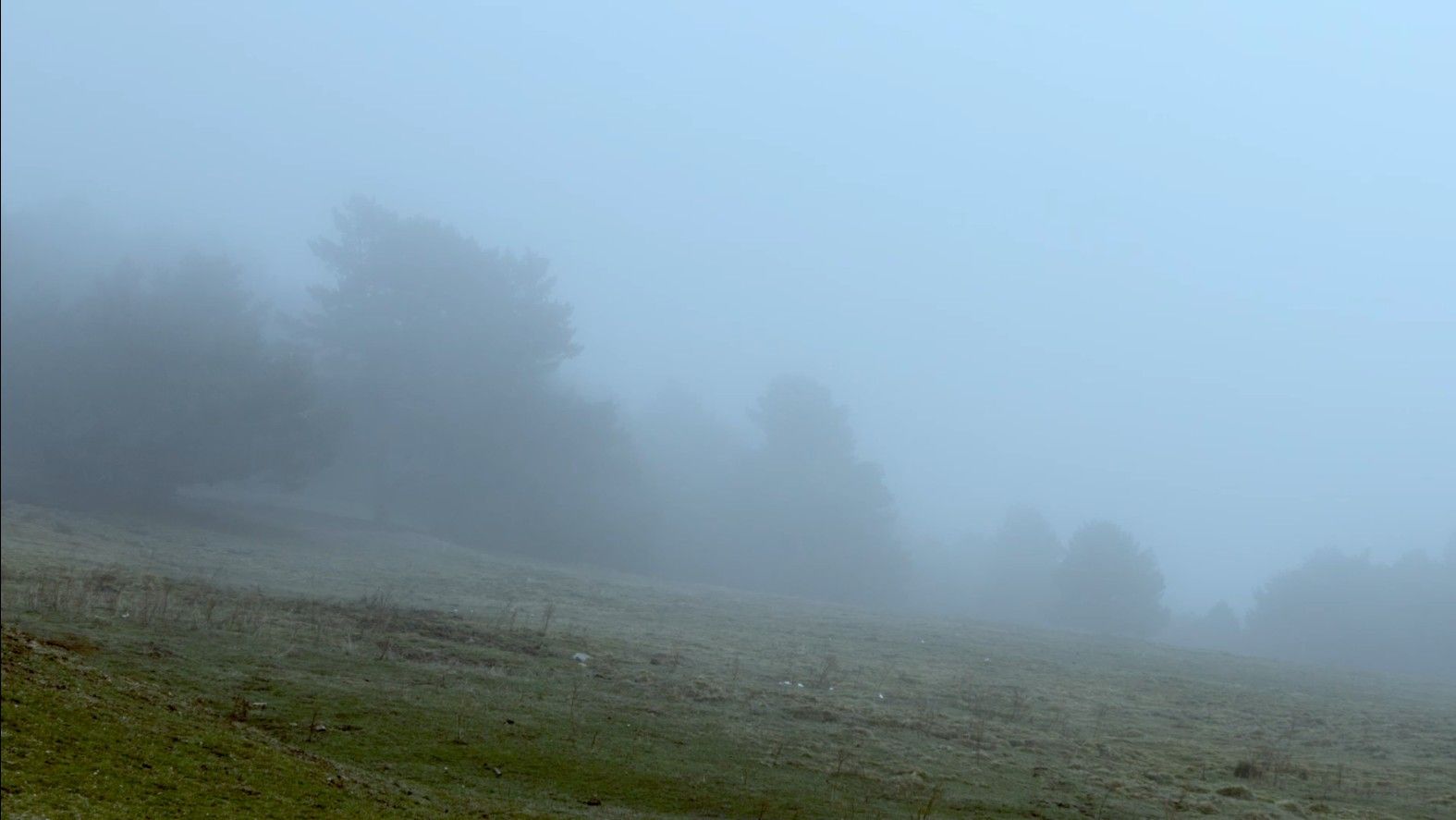
Suelo (Ground)
Clara Tomme Rivera | 2026 | Spain | Digital | 5 min
This short film explores the fear of death from an organic point of view, focusing on what happens to the body after death. Suelo accompanies the viewer throughout a process inevitably connected to life. It uses different resources as a guide along the passage towards death, such as a narrated voiceover and different ways of approaching and dealing with the images: fixed wide shots, a handheld camera to work in the first person, some animation… All of this, in turn, is combined with a soundtrack marked by silences and occasionally mechanical and electronic noises.
(Clara Tomme Rivera)
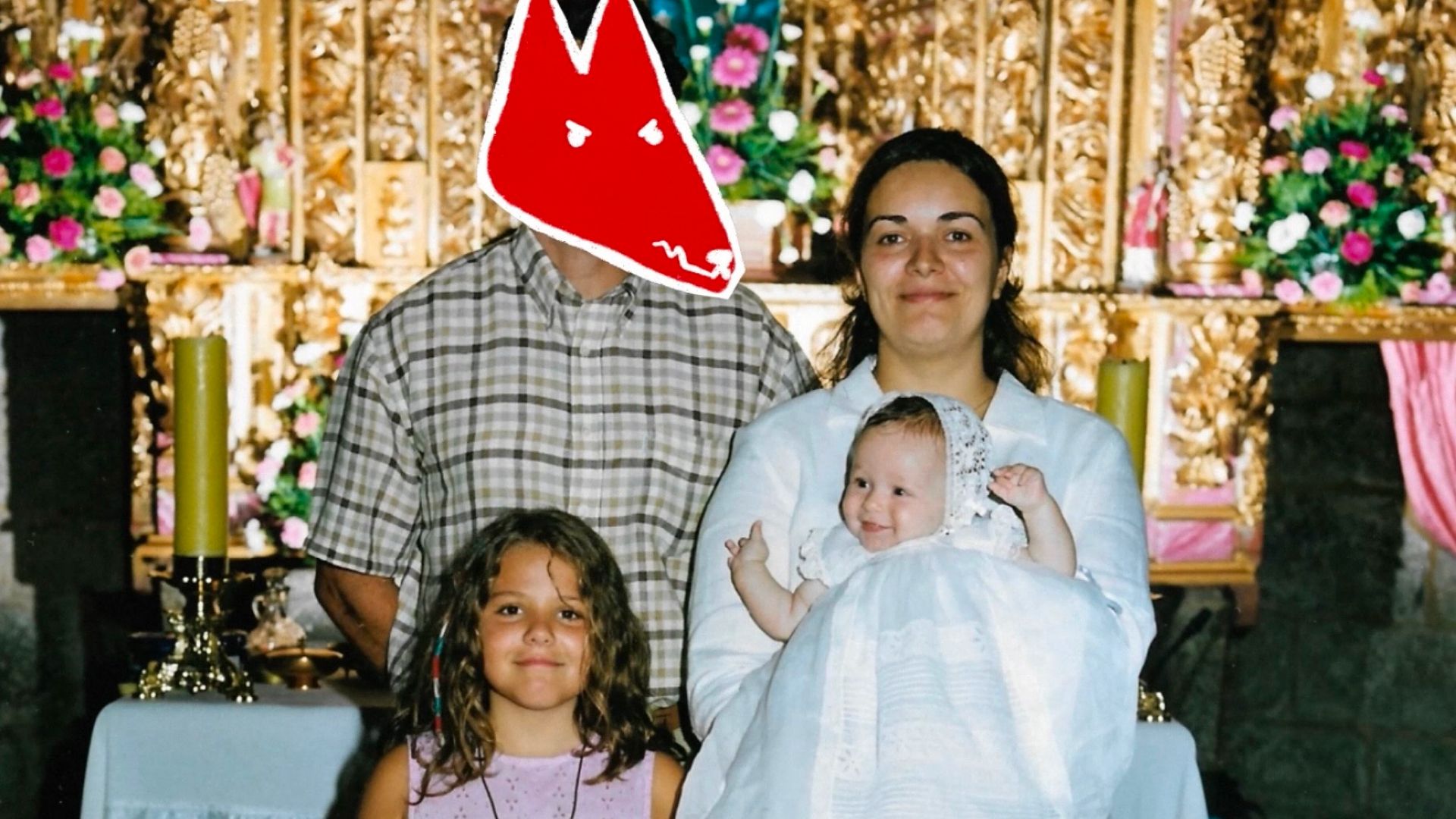
Las chicas como ella (Girls like her)
Zoila Electra | 2026 | Spain | Digital | 6 min
Las chicas come ella is a digital journey typical of someone raised in a virtual world. It reconstructs the memories of a childhood marked by domestic and gender violence. From a child’s visual perspective—interspersed with stories, scribbled drawings and soundscapes— the dissociation caused by systematic, repeated violence is explored. From the daughter’s voiced perspective, a family story is narrated about a marriage marked by abuse. This short film becomes a cathartic ritual paying tribute to mothers who, despite their fear, find a way to save lives.
(Zoila Electra)
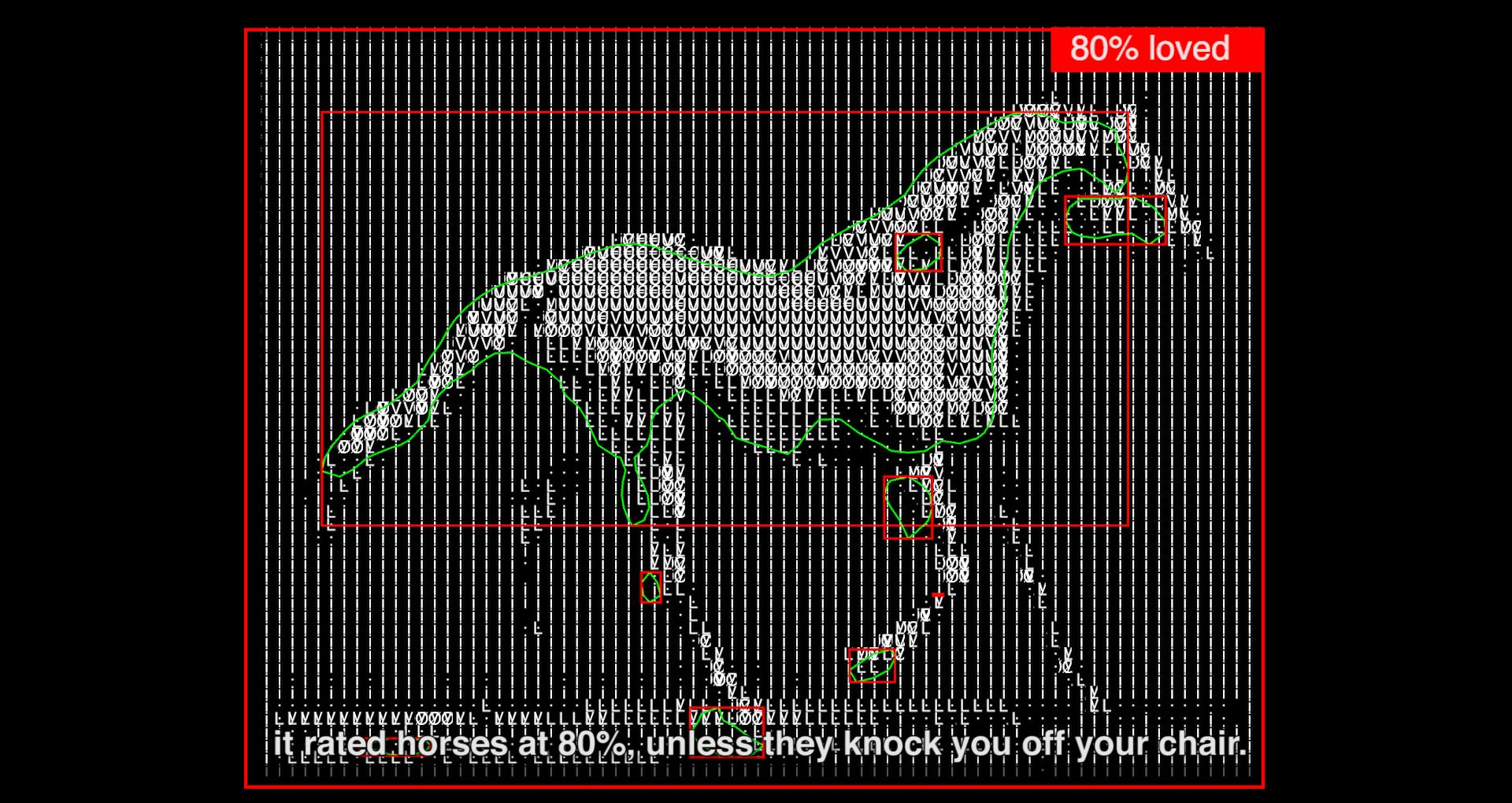
I love you
Petra Montoro Portales | 2026 | Spain | Digital | 2 min
I love you is based on the study Animals in Motion made by Eadweard Muybridge between 1872 and 1885 in his series of plates of animals in motion. The film uses the aesthetic blend of ASCII and shape detection systems to make a contemporary review of the relationships between animal and human, starting by differentiating the treatment of species depending on whether they are considered a companion animal, an animal to be consumed, an entertainment animal, or a pest.
The image is entirely reconstructed by repeating the string of characters “i Løv€ y•U” in ASCII in order to put forward the human way of looking as a categorical construction of signs to be dismantled. This parallel underlines the urgency of questioning the limits of our relationship with the non-human and the need to develop new ways of looking at and relating to animals.
(Petra Montoro Portales)
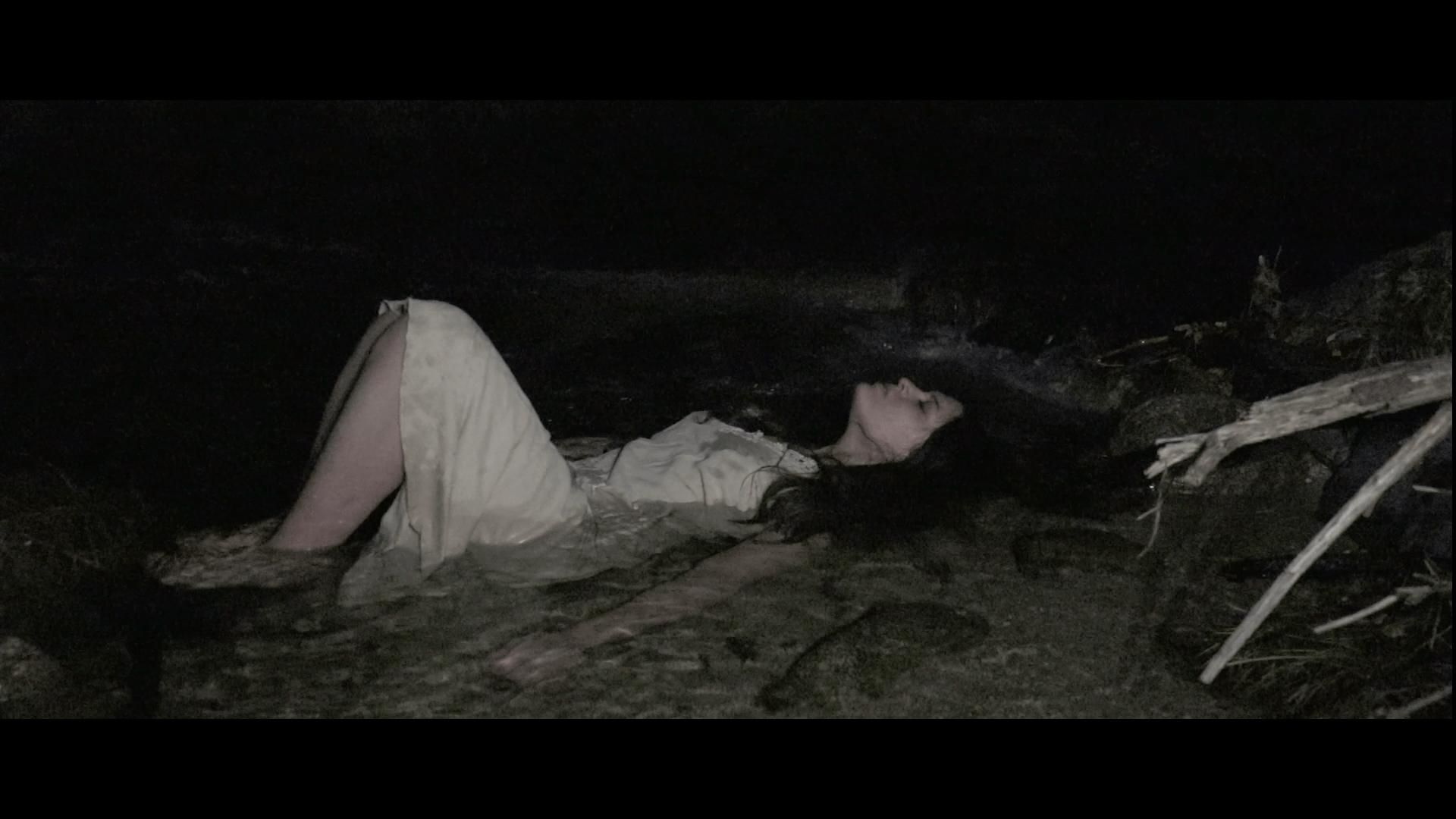
Luz (Light)
Evelyn Andrea de la Vera-Ovianolavera Cevallos | 2026 | Spain | Digital | 6 min
Riddled with a point of view from outside and social constructs, identity emerges as a mutable terrain where what is personal—arising from the body, and what is learned—adhering to it, intertwine until their boundaries are blurred. In this space, an intimate voice sways between memory and thought, delving into a vague search for what belongs to oneself. Halfway between a choral piece and a personal experience, and within the context of a liquid society, there is an echo of a yearning for a return and a recurring question: Is it possible to go back? Far from posing an answer, Luz dwells within its own contradiction.
(Evelyn Andrea de la Vera-Ovianolavera Cevallos)
MEMORY, UPROOTING AND MYTH
Faculty of Fine Arts (University of Salamanca)
Once again this year, a group of students specialising in Audiovisuals (Degree in Fine Arts) and from the Master’s in Production and Artistic Practices at the University of Salamanca are presenting their audiovisual creations in the Paraíso section. Using a great variety of approaches, the works this year focus on remembrance and uprooting, together with a significant atmosphere of playfulness. Hence, we are looking at forms that attempt to conjure up nostalgia for a lost home, be it a dwelling, a country of origin, a life or a language (7 pasos para una carta, Era, Zugzwang and Puxa que espanta). There is also an experimental animation among them, in which two archetypal characters duel under a lunar sun (Falso azafrán (Fake saffron)).
Chus Domínguez
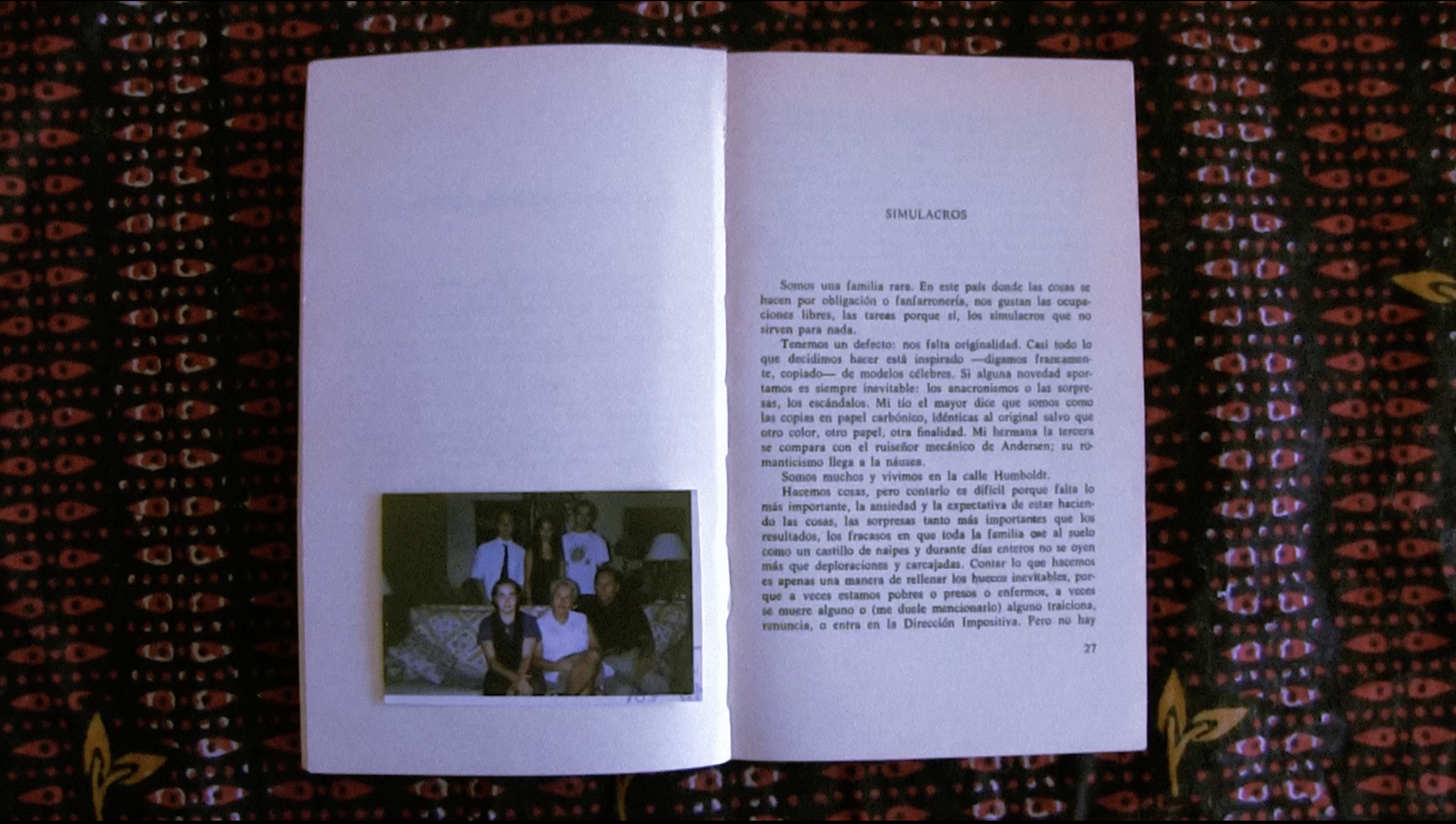
7 pasos para una carta (7 steps for a letter)
Julia Battaner Egoscozábal | 2026 | Spain | Digital | 8 min
A family suddenly has to move from their lifelong home. The cold atmosphere in the new residence clashes with the feeling of home held by the previous one. Among sealed boxes and piled-up memories, the director attempts to salvage the family’s correspondence in order to make an epistolary short film, which the family itself categorically refuses to let her do. In the search for an object or document that could act as a letter, in the end she thinks up a series of steps to finally construct an audiovisual missive.
(Julia Battaner Egoscozábal)
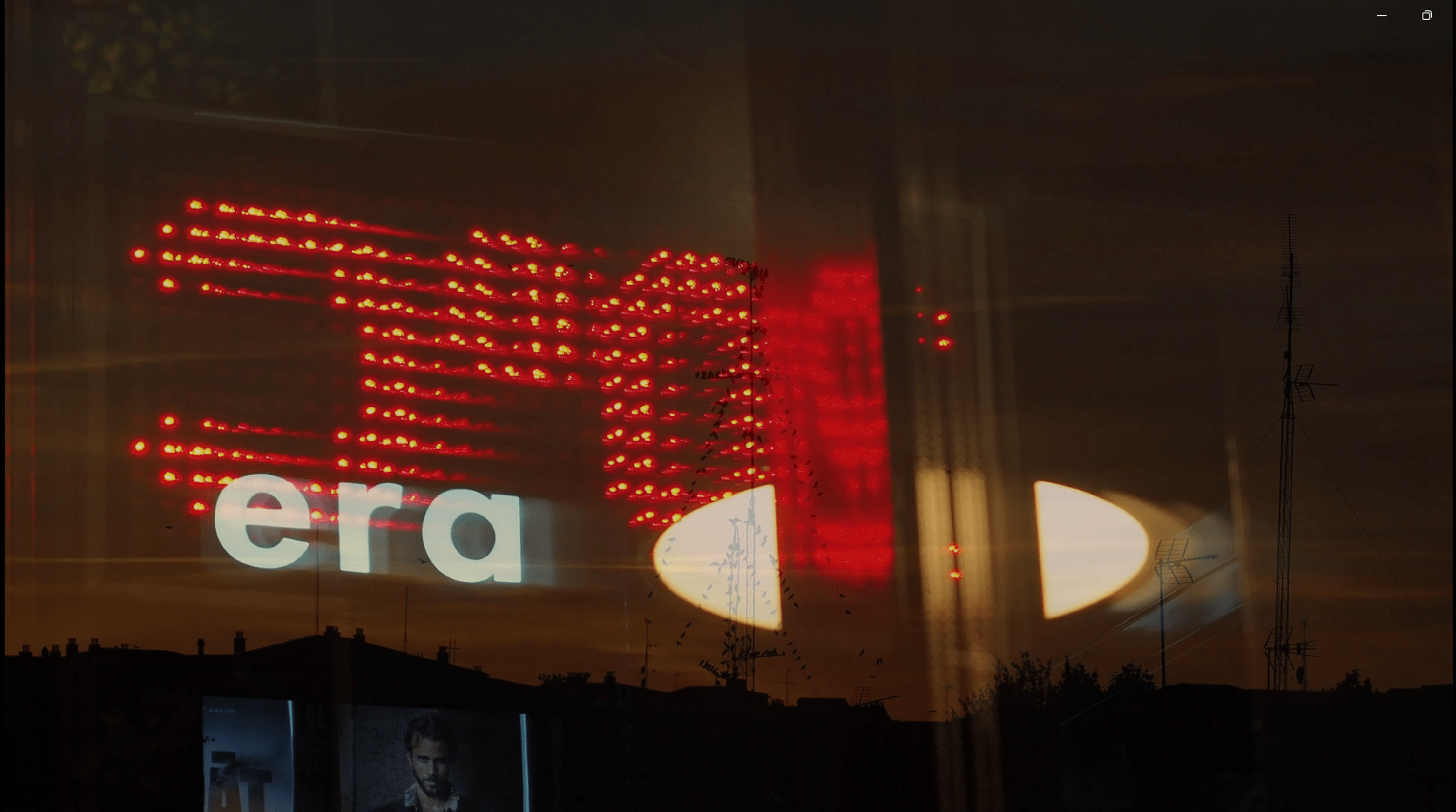
Era
Olga Sofía Escobar Fajardo | 2026 | Spain | Digital | 5 min
Uprooting and Venezuelan memory. It is not just the physical distance, but the transformation of the place that exists only in one’s memory as a vague recollection that no longer matches today’s reality, but which cannot be entirely abandoned, either. This work is constructed using fragments of everyday images, a variety of sounds, and unfinished elements to evoke the way memory works.
(Olga Sofía Escobar Fajardo)
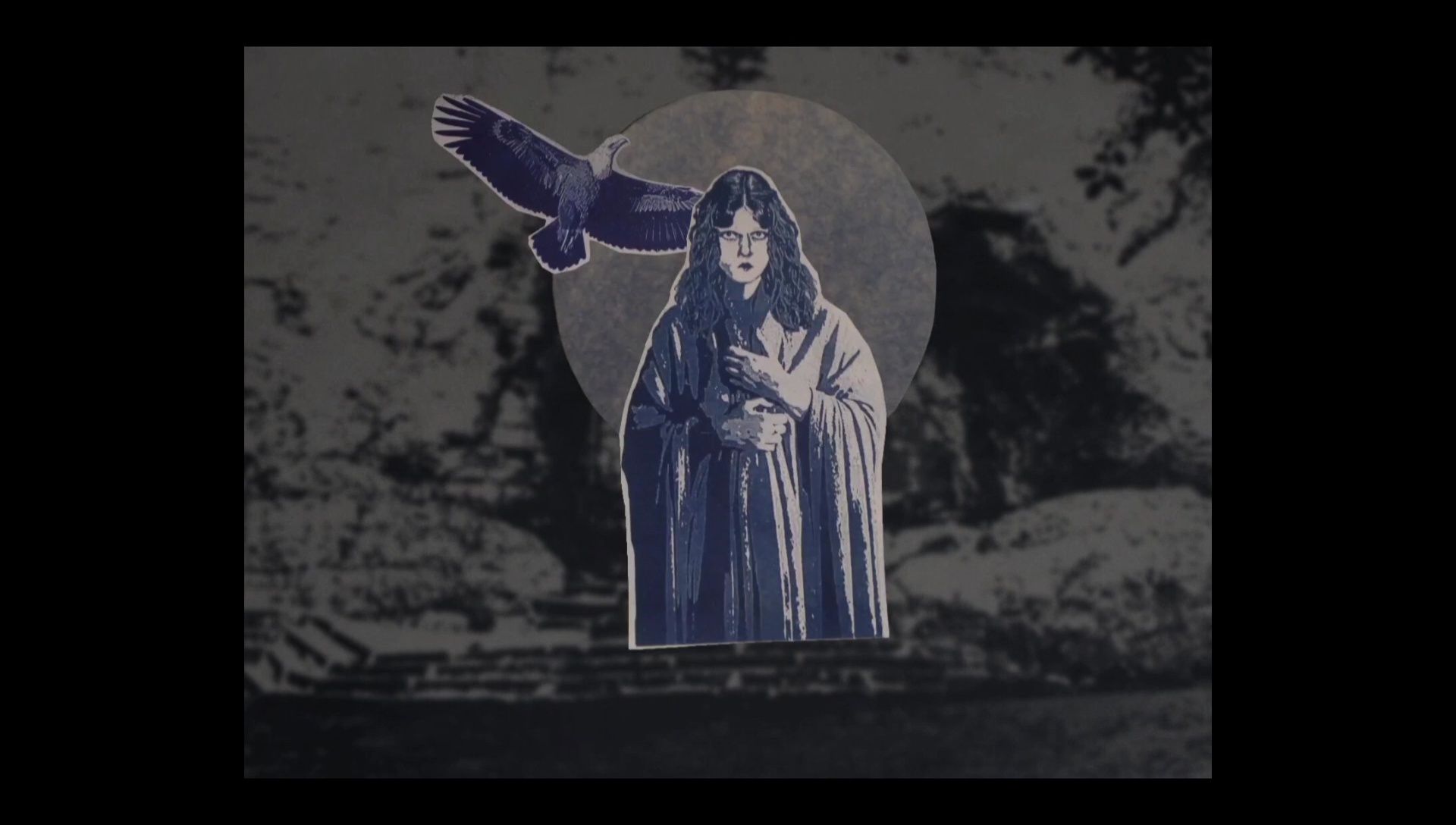
Falso azafrán (False saffron)
Sara Fénix | 2026 | Spain | Digital | 2 min
Beyond the village and the forest, at the entrance to the caves, two characters meet for the first time. The priest, though willing to help, fears that evil will enter his village. The sick woman, normally unfamiliar with the intricacies of his faith, sees no other option than to ask for divine mercy. The vultures look on in silence, knowing that both bodies, the saint and the denigrated one, will taste the same and satiate them equally.
(Sara Fénix)
zugzwang
Juan Sebastián Ortega Bolaños | 2026 | Spain | Digital | 2 min
zugzwang describes a situation of turn-taking games as in chess, where a player is obliged to make a move, even when all moves will make their situation worse. Based on the experience of a Colombian student in Germany, the film transfers this rationale to the everyday sphere, building up a sense of being uprooted, of loss and confusion in an environment perceived as hostile. Water and the ocean act as metaphors for the distance from the student’s place of origin and simultaneously as a fearful body associated with thalassophobia, introducing an intimate side of fear and rejection.
(Juan Sebastián Ortega Bolaños)
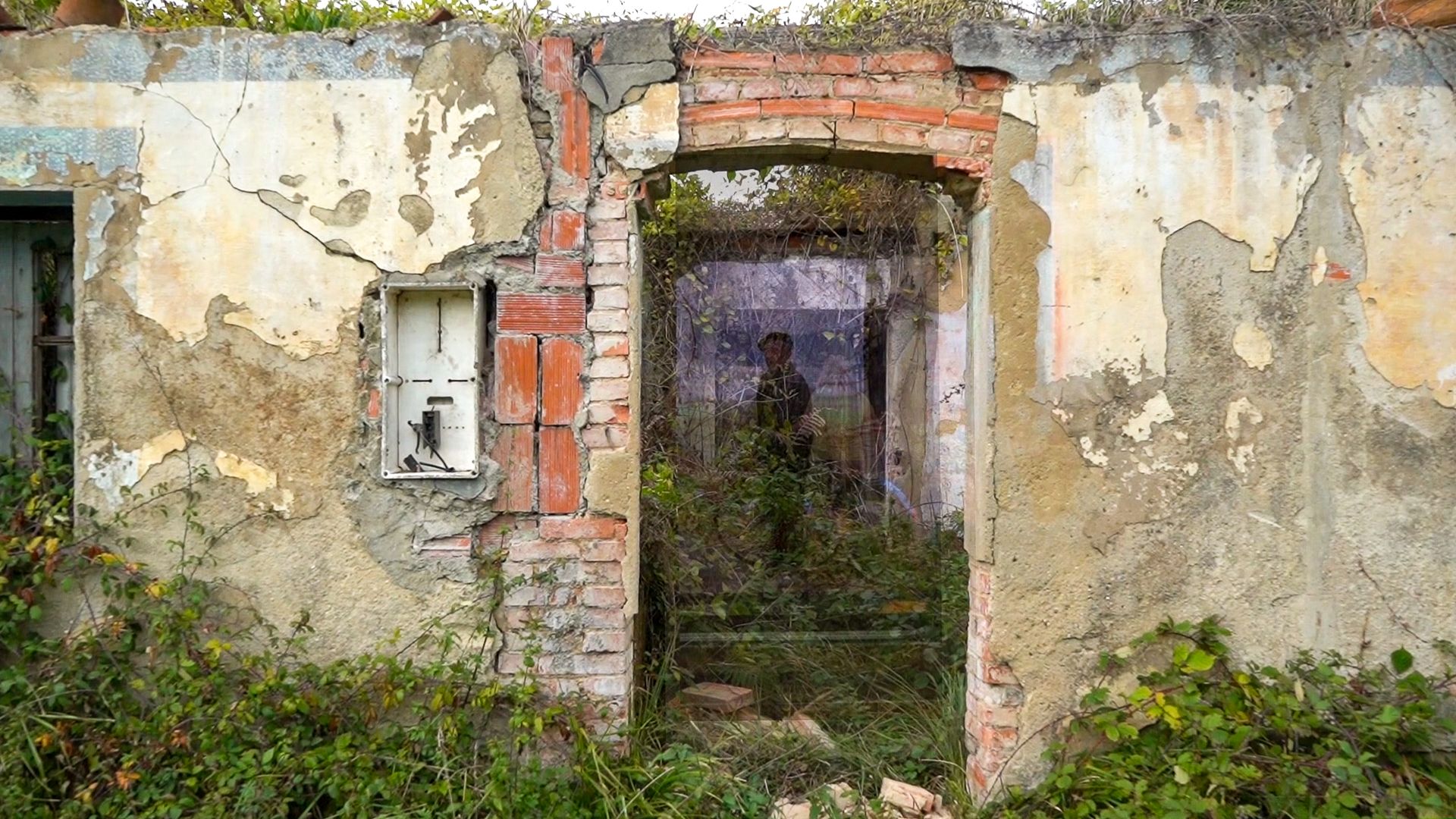
Puxa que espanta
Silvia Alonso Díaz | 2026 | Spain | Digital | 5 min
Amid ruins and uninhabited landscapes, a voice in Asturian accompanies a territory where language and rural life are being lost. The videos worked on shatter the image, leaving the memory in fragmented remnants. A voice travels around these spaces and the loss is perceived as a presence that remains within the listening.
(Silvia Alonso Díaz)
PARADISE OF THE EXPANDED FRAME
Faculty of Fine Artes (University of Vigo)
Once again, the Paraíso section opens up a space for encounters between teaching and audiovisual creation, understanding cinema to be an extended practice that engages with other arts. Within this context, the students invited approach cinema from a terrain of freedom, where intuition, error and experimentation are an essential part of the process.
From the University of Vigo’s Faculty of Fine Arts, we are presenting five audiovisual works made as exercises for the subjects of Image in Motion and Audiovisual Artistic Production in the second and third academic years. Animation in its most artisanal procedures becomes a field for exploration allowing for the freedom to intervene in the image and manipulate the perception of time. The stop motion technique is presented in different ways: in childhood drawings that come to life and spill over in Santiamén, in the mix-media that tenses identity in the piece Jugando al escondite, and in the cut-outs that articulate the symbolic imagery of tarot in El viaje del loco.
This emphasis on the physical nature extends to the three remaining works, where the images are not shown as clear and completed, but the seams of the process and their material traces are left visible. In Transmisión, the artist places herself in the scene within an intimate, disturbing, almost surrealistic universe, where interference, noise and signal instability lead to disorientation. In this dreamlike atmosphere, drawings and motion graphics reappear as elements that intensify the atmospheric experience. Then, Persistencia del vacío (Persistence of emptiness), shot in Super 8 in a workshop with the filmmaker Carla Andrade, shifts the figurative to an abstract, formal dimension. By using celluloid with TouchDesigner software, this piece proposes meditation on the digital and the analogue, in which sight and sound merge in a continual process of dissolution. Finally, Oda a la extinción (Ode to extinction) uses found images from documentaries from the seventies altered using techniques of databending and datamoshing to construct an apocalyptic vision whereby the digital image devours physical reality until the irruption of a kind of virtual god.
In these small films there is a return to the manual gesture: drawing, cutting, superimposing, assembling, insisting, and experimenting. It is a patient, tactile work that restores the image’s density and temporal nature in today’s context dominated by immediacy in the procedures. For these young artists, cinema is above all a terrain to be discovered, a place to venture into with curiosity and without certainties. And it is precisely within that open, hesitant state that its greatest potential lies.
Perhaps Paradise is the home one arrives at to discover that cinema will always be yet to be made.
Xisela Franco
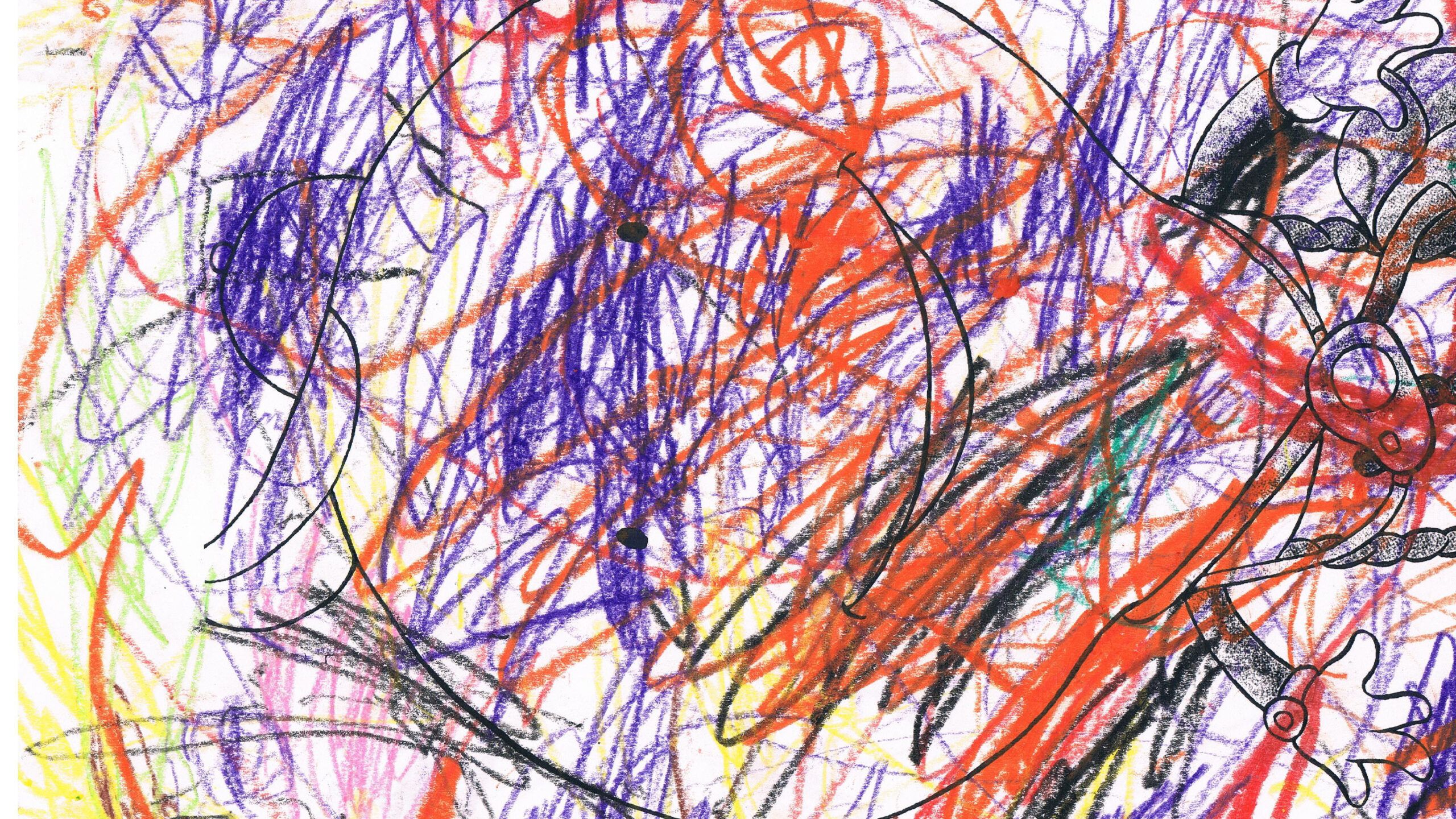
Santiamén
Claudia Fandiño Moldes | 2026 | Galicia | Digital | 1min
A burst of visual and sound saturation born out of experimentation with drawings from my childhood. Through frenetic animation, this piece chromatically transitions from white to the intensity of black, evoking a constantly evolving childhood universe. Via frenetic animation, the piece transitions chromatically from white to black density, evoking a child’s universe in constant transformation.
A discharge of visual and sound stimuli constructed based on drawings from my childhood. The fast-paced animation unfolds in a chromatic transition from white to black, turning this intimate archive into an unstable space between memory and perception.
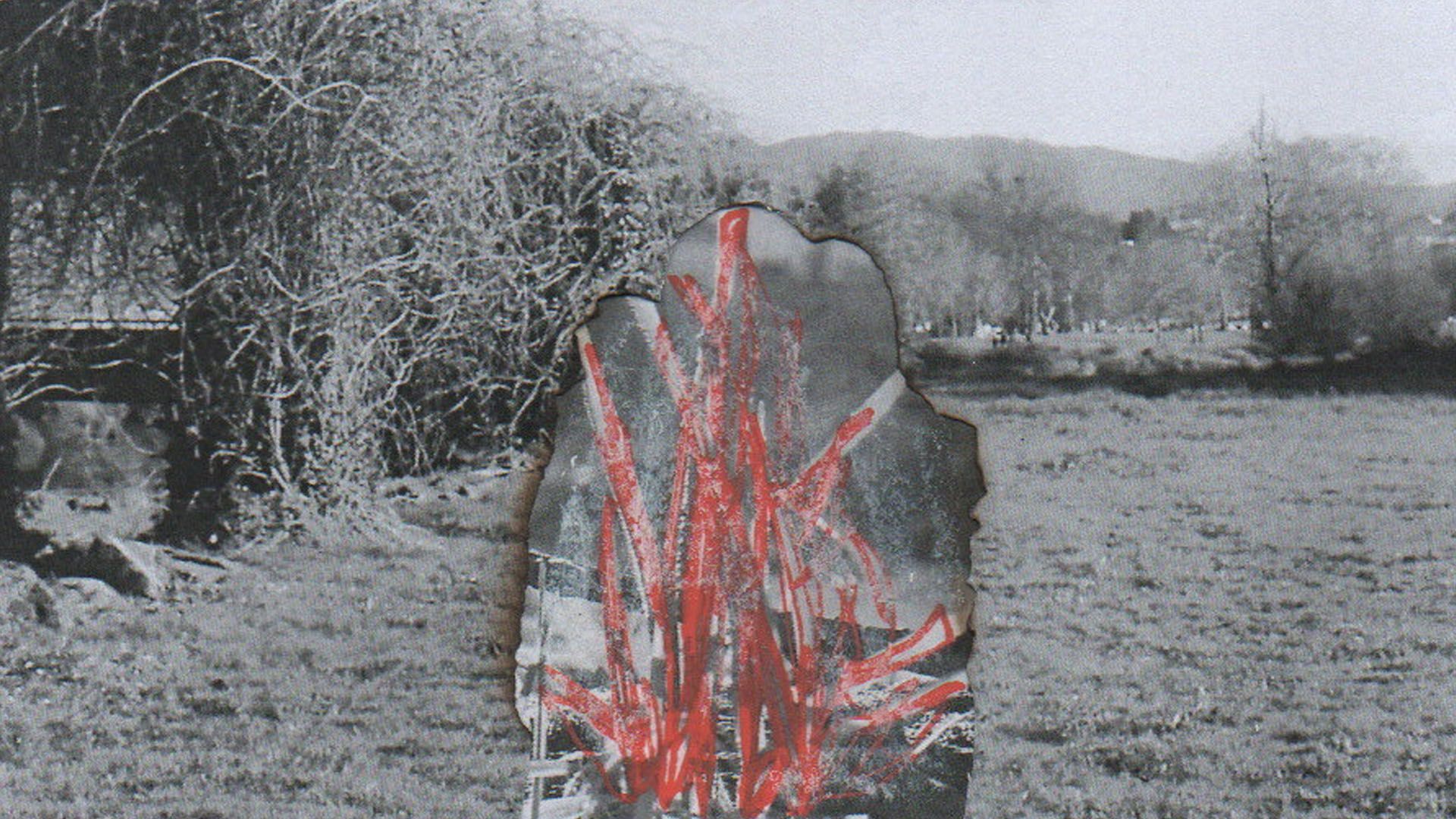
Xogando ao agocho (Playing Hide and Seek)
Naiara Vila Canle | 2026 | Galicia | Digital | 1 min
Playing hide and seek puts forward an abstract narrative about identity, understood to be an intangible, fluctuating construct. By means of a composition in constant tension, the film evokes the unstable process in which a human is defined and blurred/erased. With no recognisable faces, the scene becomes a confusing space of searching and questioning.
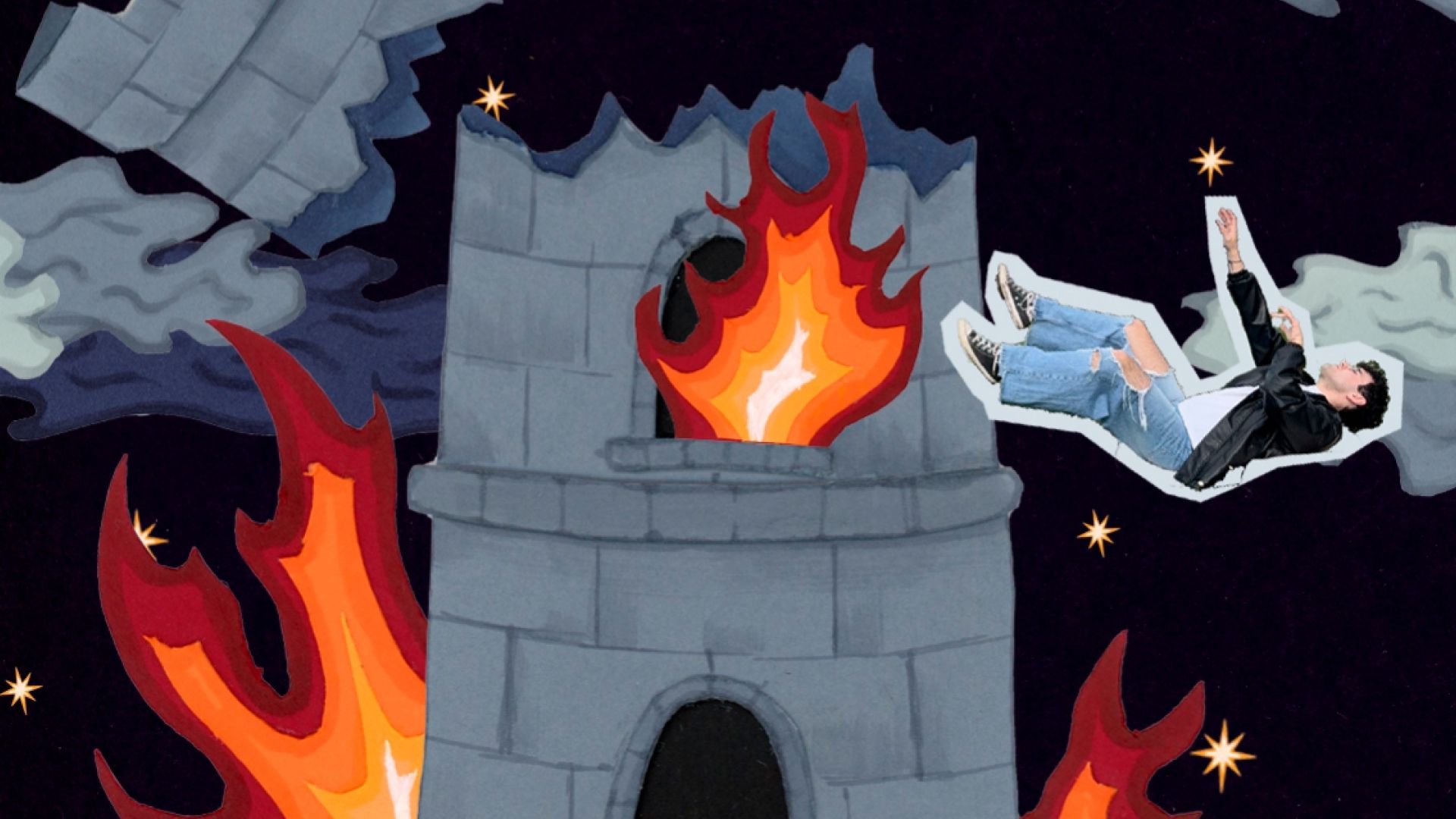
A viaxe do tolo (The Fool’s Journey)
Raúl Díaz Alonso | 2026 | Galicia | Digital | 2 min
By using cutouts and stop motion animation, this work constructs a tale based on the symbolism of Arcana tarot cards. The characters move through a fictional reality shaped by these images on a journey that, like dealt cards, shows the future and suggests a process of transformation and personal growth.
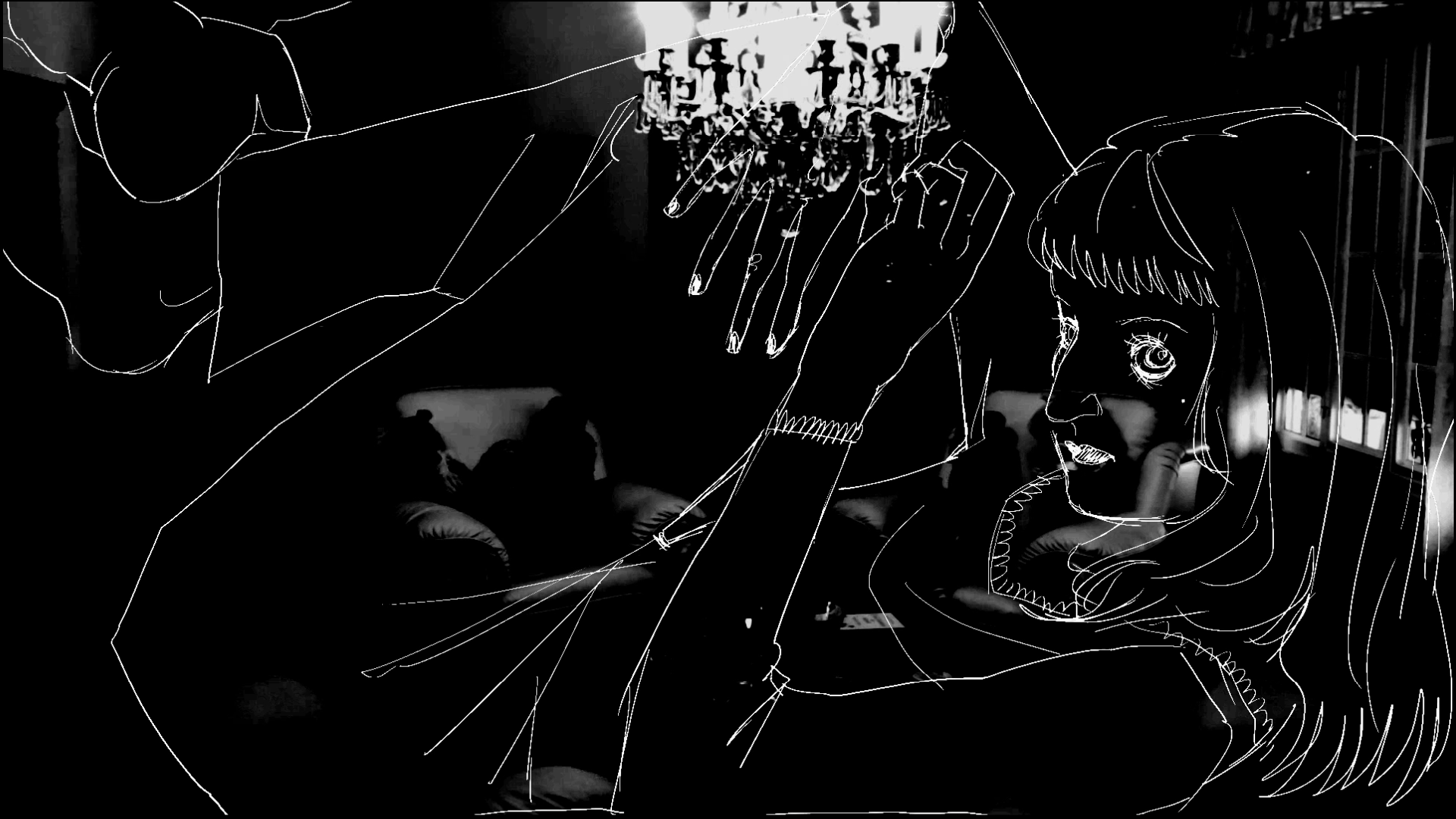
Transmisión (Transmission)
Xulia García Pintos | 2026 | Galicia | Digital | 6 min
A longing for silence amidst the noise. This dreamlike piece shows a young woman trapped among radio frequencies in a bleak, unstable world, riddled with a constant change of stations. It is an overwhelming barrage of black and white stimuli permeated by glitches and interferences, letting us glimpse a desire to escape.
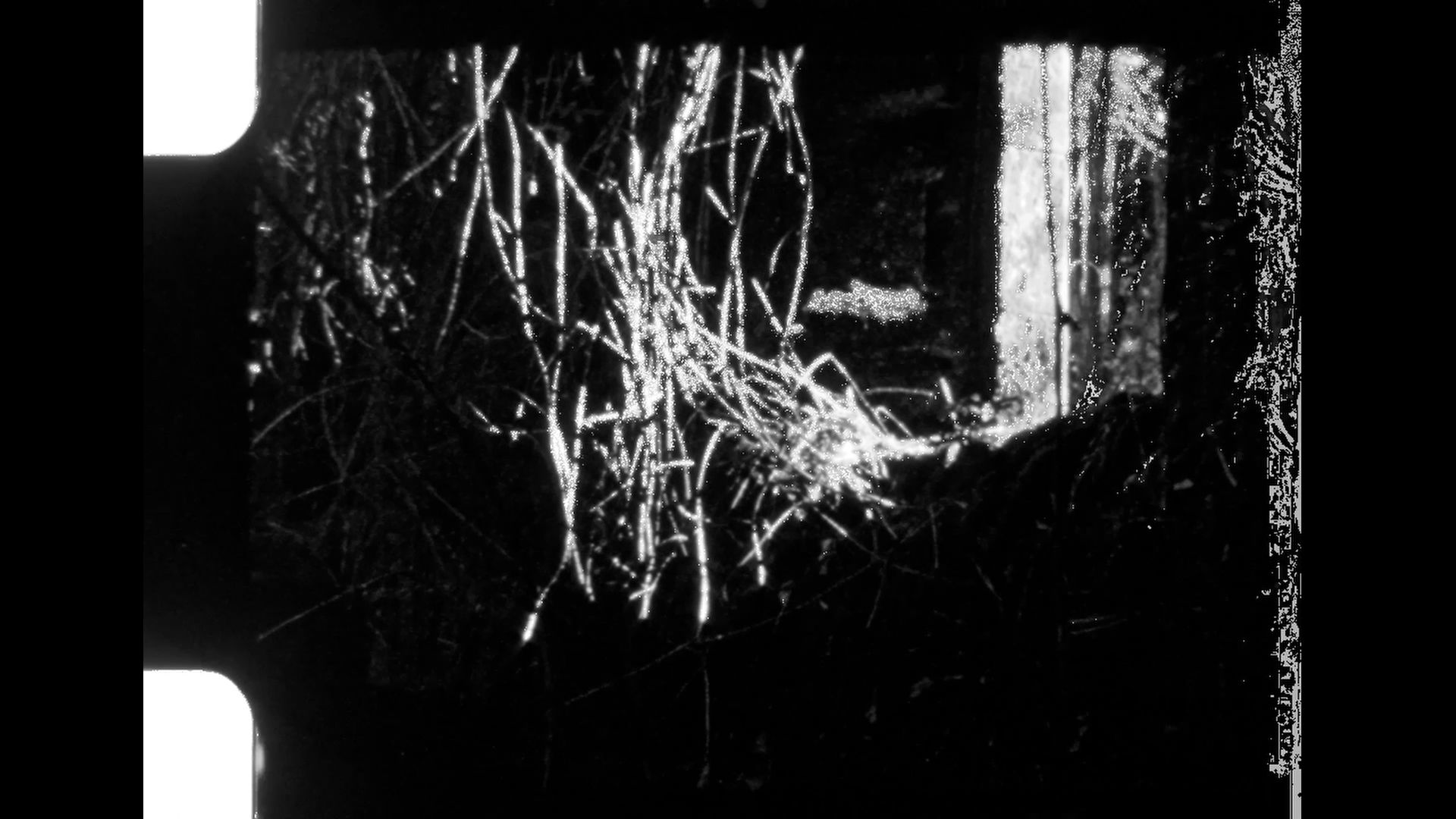
Persistencia do baleiro (Persistence of the Void)
José García Estévez and Isabella Moreno Rueda | 2026 | Galicia | Super 8 to digital | 5 min
Persistence of the void is the echo of something that has not yet been born. In the dematerialisation of all certainties, in absolute nothingness, an unnameable force from afar is gestating. It is in this state of decomposition where the nuances arise: the intermediate points between power and being, between the material and the immaterial, between the digital and the analogue. This ambivalence characteristic of our time is not a deficiency, but a manifestation that something new is about to come.
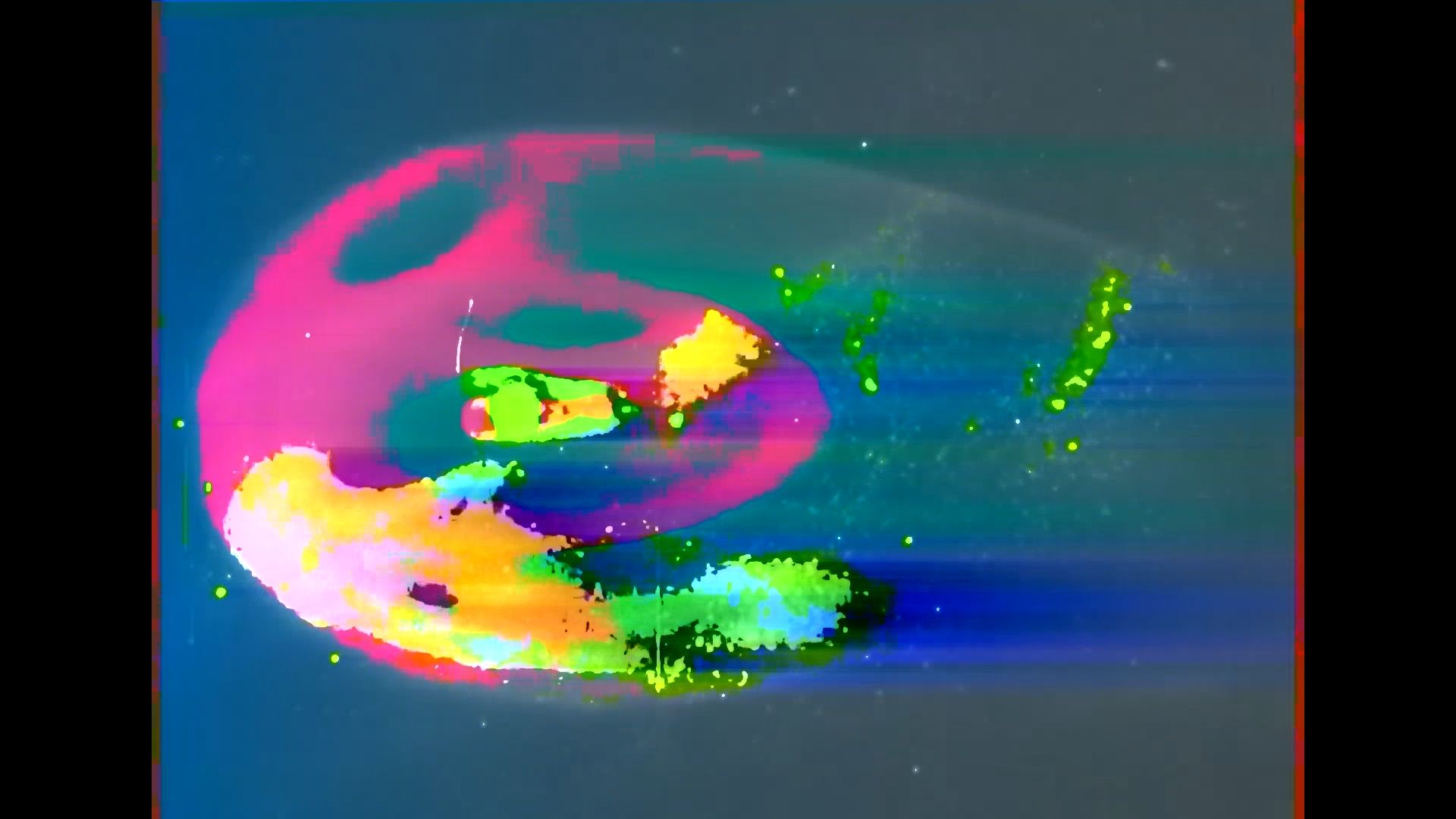
ODA A EXTINCIÓN
Isabella Moreno Rueda | 2026 | Galicia | Digital | 3 min
Oda a extinción (Ode to extinction) imagines an end of the world in which virtuality consumes humanity in the form of a storm of bits that saturates the image with matter, corrupting reality until the arrival of a virtual god who returns the cosmos to its natural order.