KINOTHEK ASTA NIELSEN
Filmoteca de Galicia | Saturday June 6th | 5 pm | Free entry to all venues until full capacity. It will not be possible to enter the venues after the screening has started.
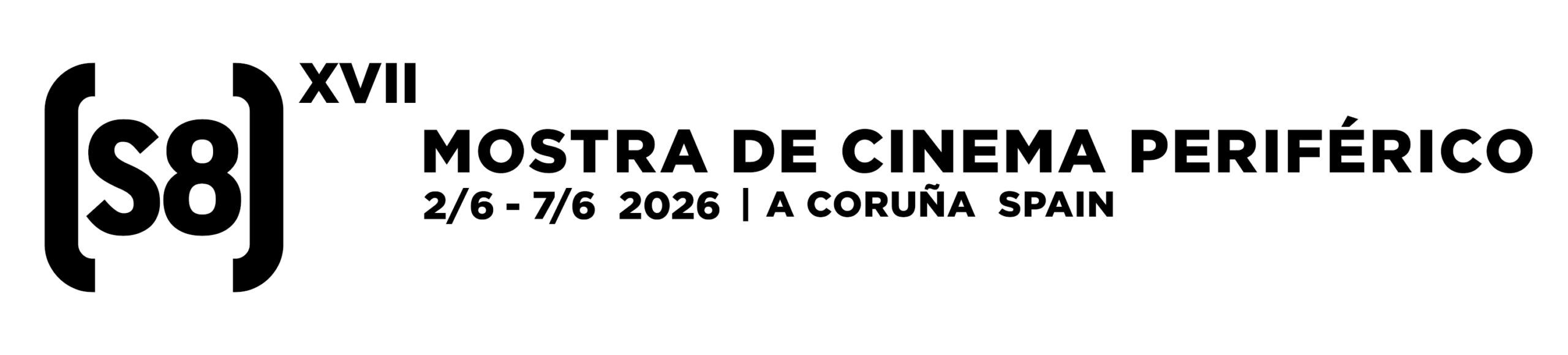
Räume (Spaces)
Gunter Deller | 1989 | Germany | Super 8 to 16 mm | 6 min
“Kihn Mill + adjoining dwelling house, Michelbach, late summer 1989”: A structural study of light in a decaying house: a cinematic inspection.
(Karola Gramann, Heide Schlüpmann)
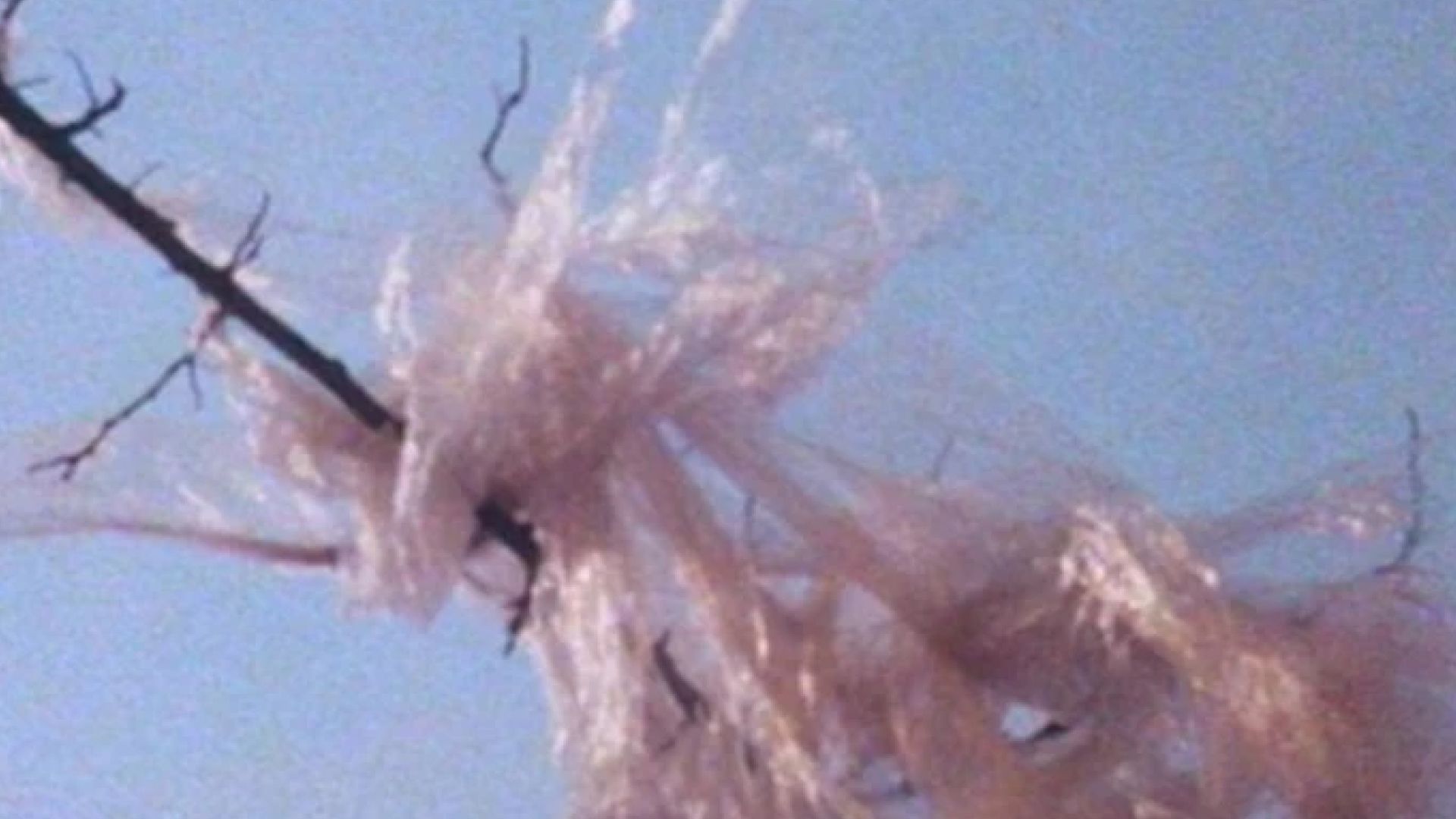
Wenn Du eine Rose siehst (When you see a rose)
Renate Sami | 1995 | Germany | 16 mm | 5 min
Enchanted by the voice of Cathy Berberian, with fragments of melodies and lines of poetry in my head, in love with spring and the flowers of summer, I wandered through streets and gardens, fields, woods and meadows, and by the end of that summer of 1995 I had a short film that ends wistfully with a tone from Gustav Mahler’s Songs of a Wayfarer.
(Renate Sami)
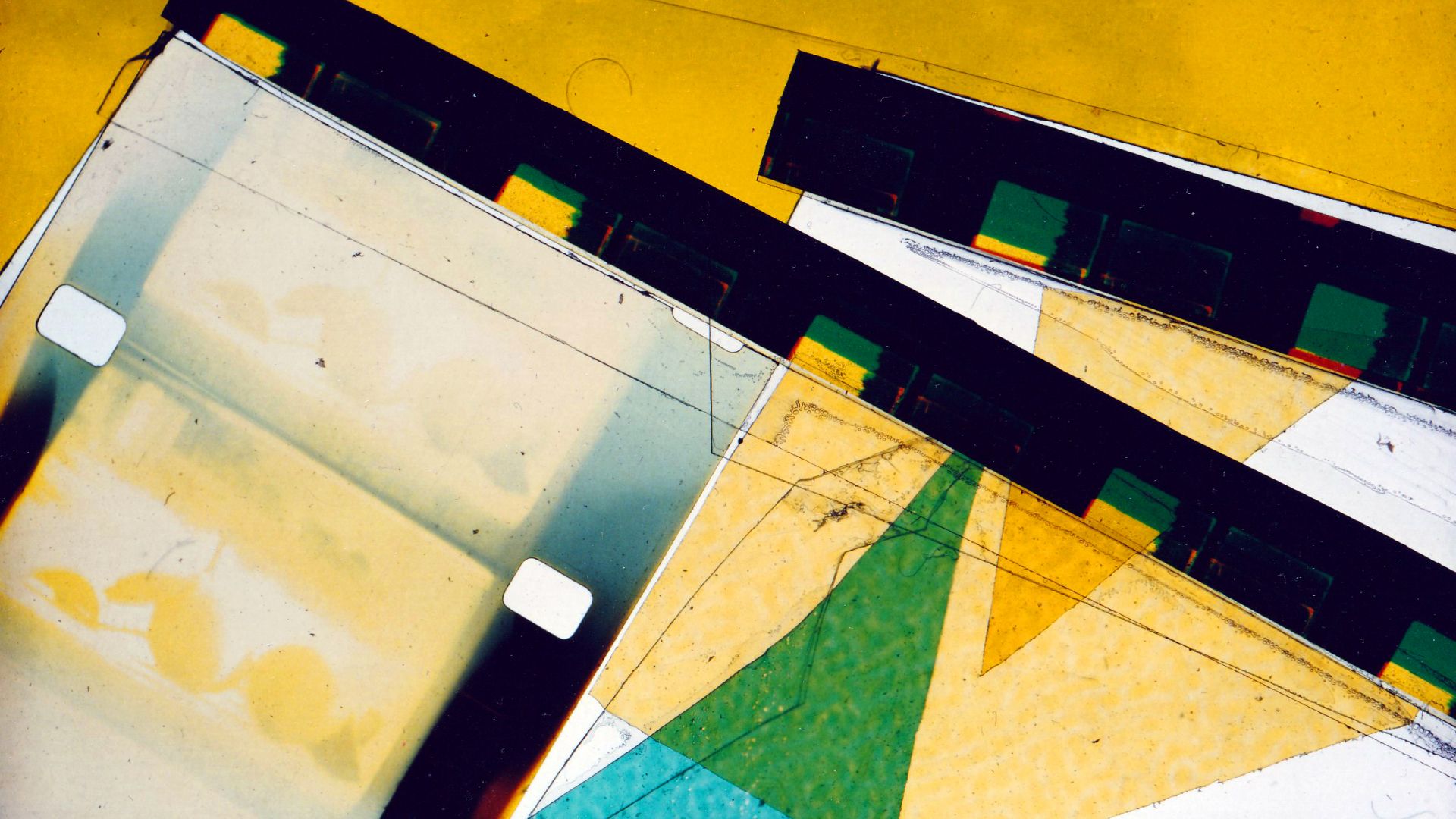
Zitrusfrüchte (Citrus Fruits)
Hille Köhne | 1983 | Germany | 16 mm | 10 min
In the 1980s, the curator and doyen of experimental film, Alf Bold, coined the term “Braunschweig Foil School”—a term that applies particularly to Hille Köhne. In her 16 mm films, she works with coloured foils, the transparency of which echoes and enhances that of celluloid, making the colours glow. Zitrusfrüchte absorbs the southern light through pale yellow foil and lemons on a table by the sea …. beach life.
(Karola Gramann & Heide Schlüpmann)
Zitrusfrüchte II (Citrus Fruits II)
Uli Versum | 1985 | Germany | 16 mm | 5 min
Uli Versum’s dialogue with a basket of gift citrus fruits, with the audience, and with himself.
(Karola Gramann & Heide Schlüpmann)
Kool Killer
Pola Reuth | 1981 | Germany | 16 mm | 5 min
The film takes a critical position on the narcissistic beauty cult of both recent times and past, particularly in relation to the work of Leni Riefenstahl, who linked the culture of the physique to Nazi ideology. In Kool Killer, abstract formal concerns are blended with the treatment given to the subject matter.
(Michael O’Pray)
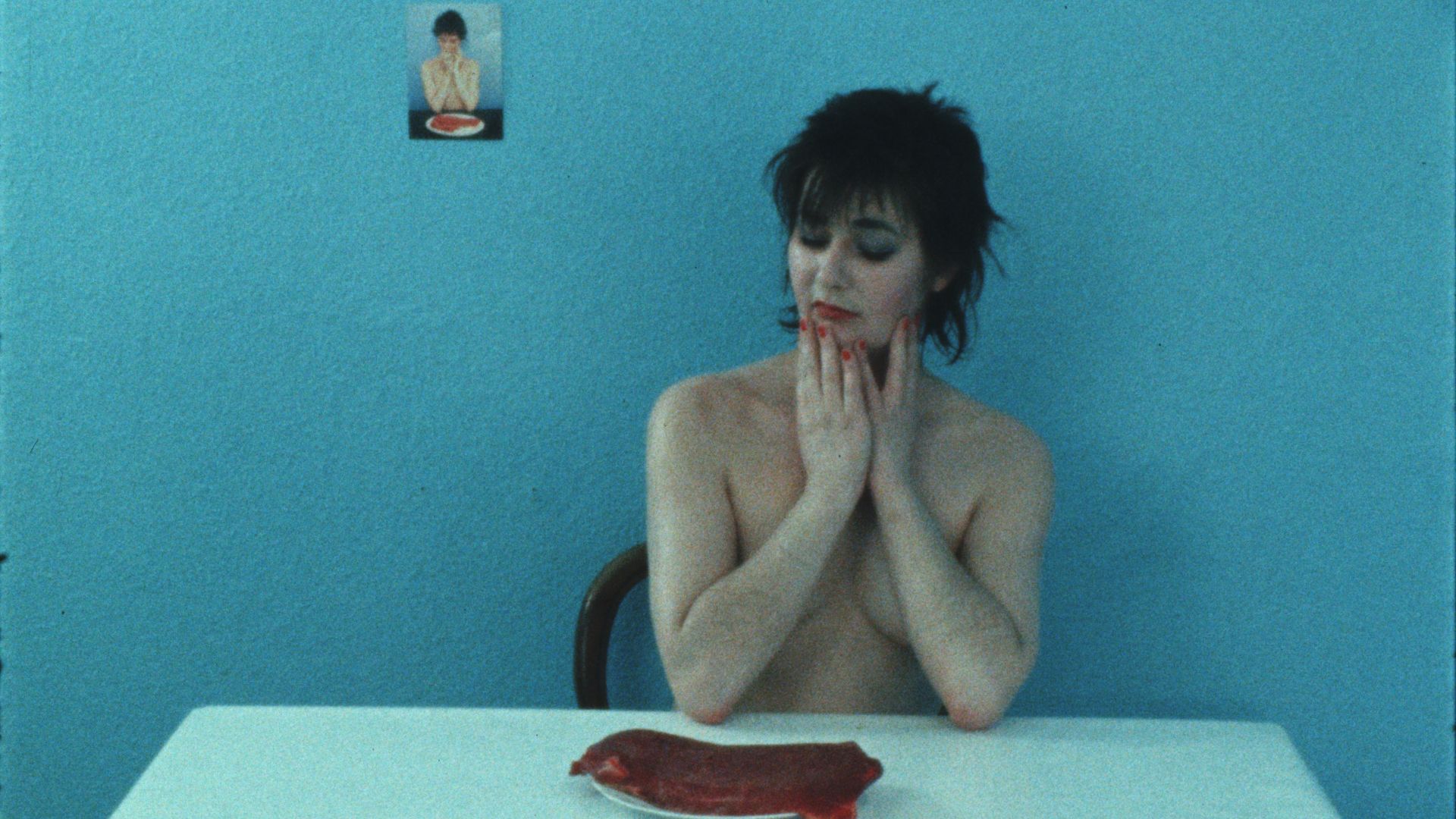
Johnny oder das rohe Fleisch (Johnny or the raw meat)
Eva Heldmann | 1984 | Germany | 16 mm | 15 min
A tragic love story between a piece of raw meat and a naked woman. She, simultaneously repulsed and fascinated, stares spellbound at her counterpart, a product of raw violence and dismemberment. Half-heartedly, they move towards one another.
The images are accompanied by music by Claus Dillmann and the whispered poem Surabaja Johnny by Bertolt Brecht.
The work is based on a photograph by the American portrait photographer Don Rodan: Prudence.
(Eva Heldmann)
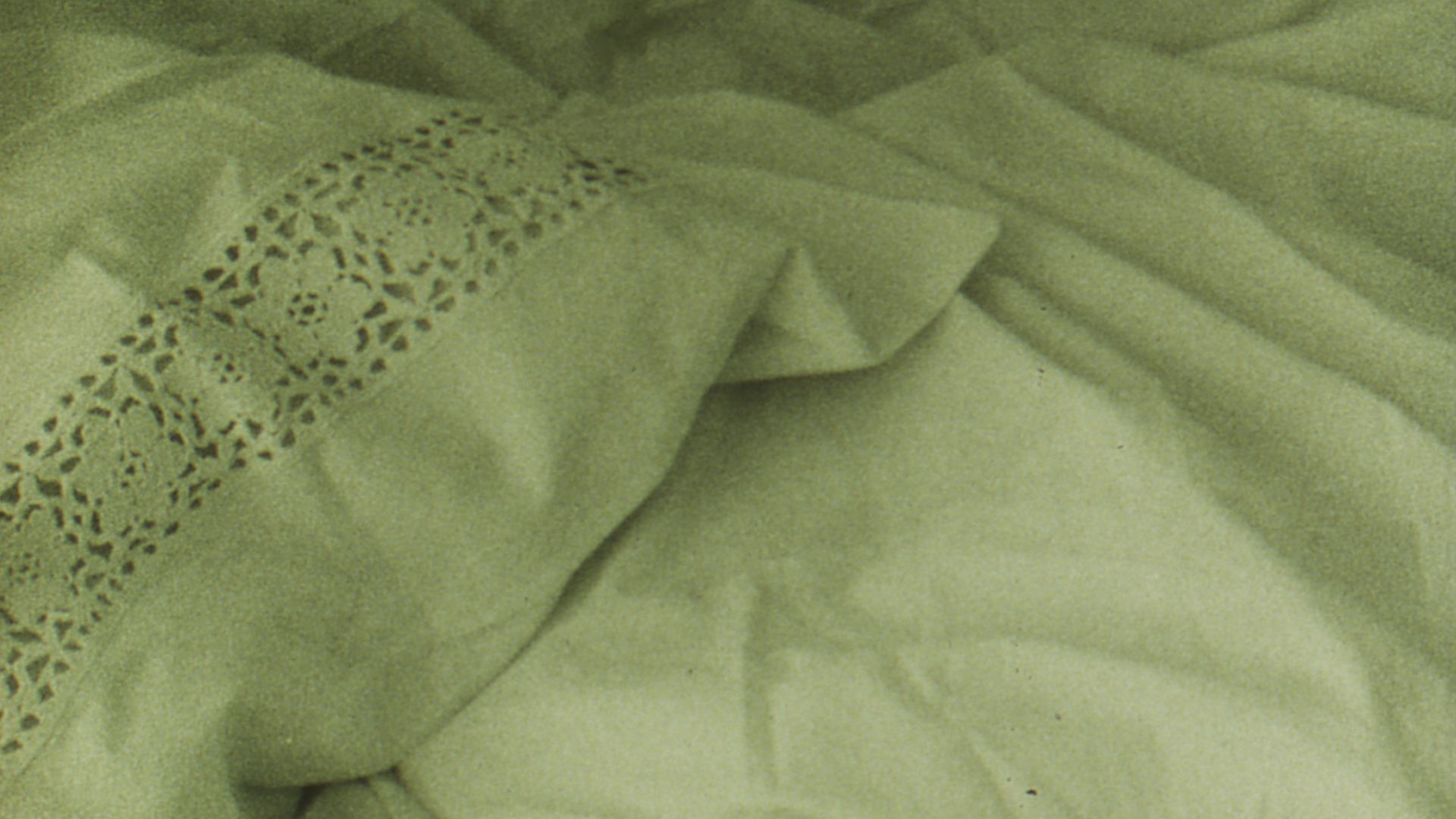
Die Urszene (The Primal Scene)
Noll Brinckmann | 1981 | Germany | 16 mm | 5 min
There is much talk of indiscretion on the part of the viewer in modern—and especially feminist—film theory. Die Urszene is thus also a contribution to the theory of film. But apart from this, the film provides us with a short survey on the variety of bedroom decor in the region of Frankfurt.
(Noll Brinckmann)
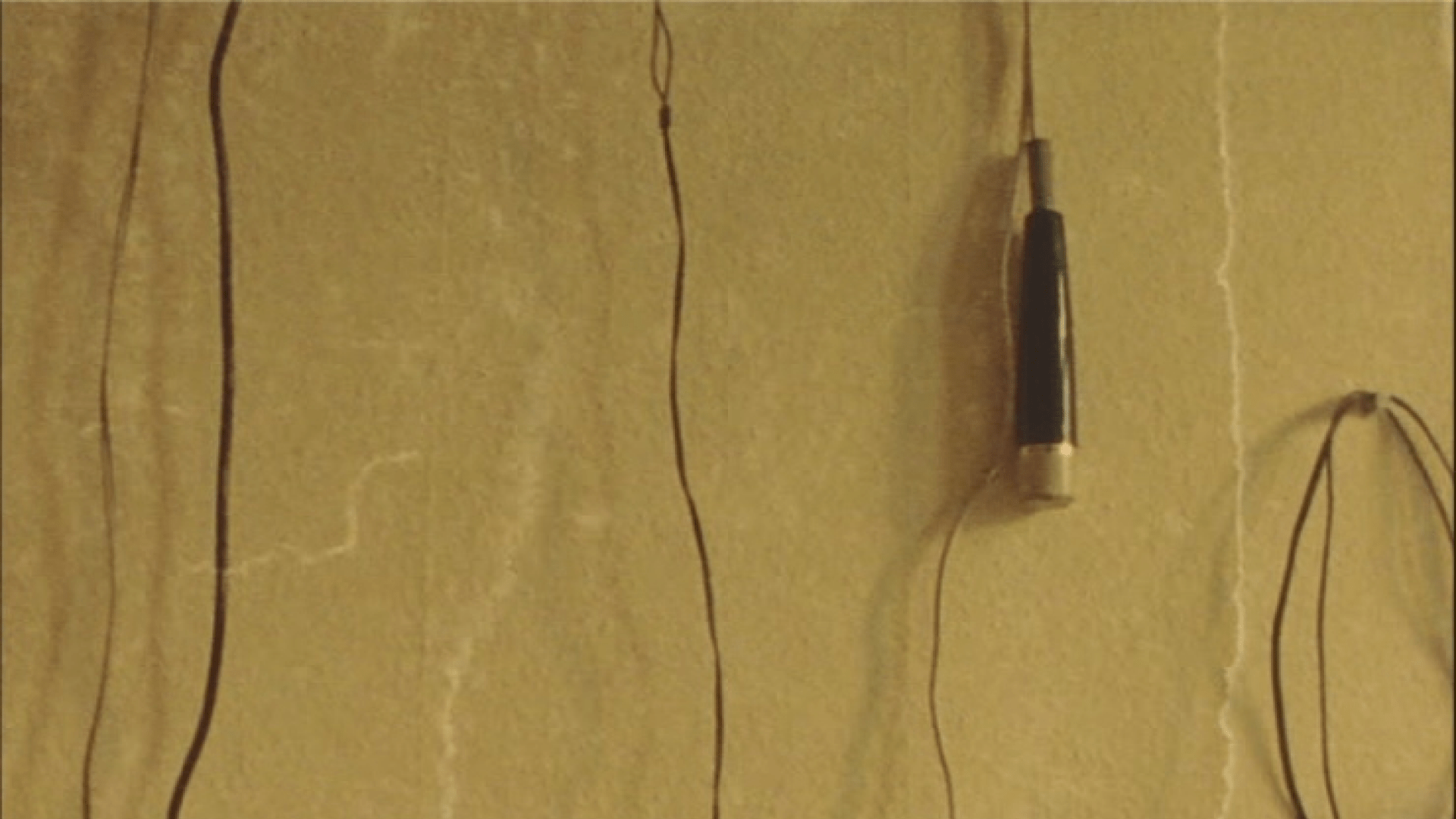
American Hotel
Klaus Telscher | 1982‒ 83 | Germany | 16 mm | 15 min
American Hotel is an extremely elegant, extremely personal film. The tension is created on the one hand by the two layers of the surface, which have both a distancing and a stimulating effect; and on the other hand by the combination of cool technical elements with popular erotic ones.
(Noll Brinckmann)
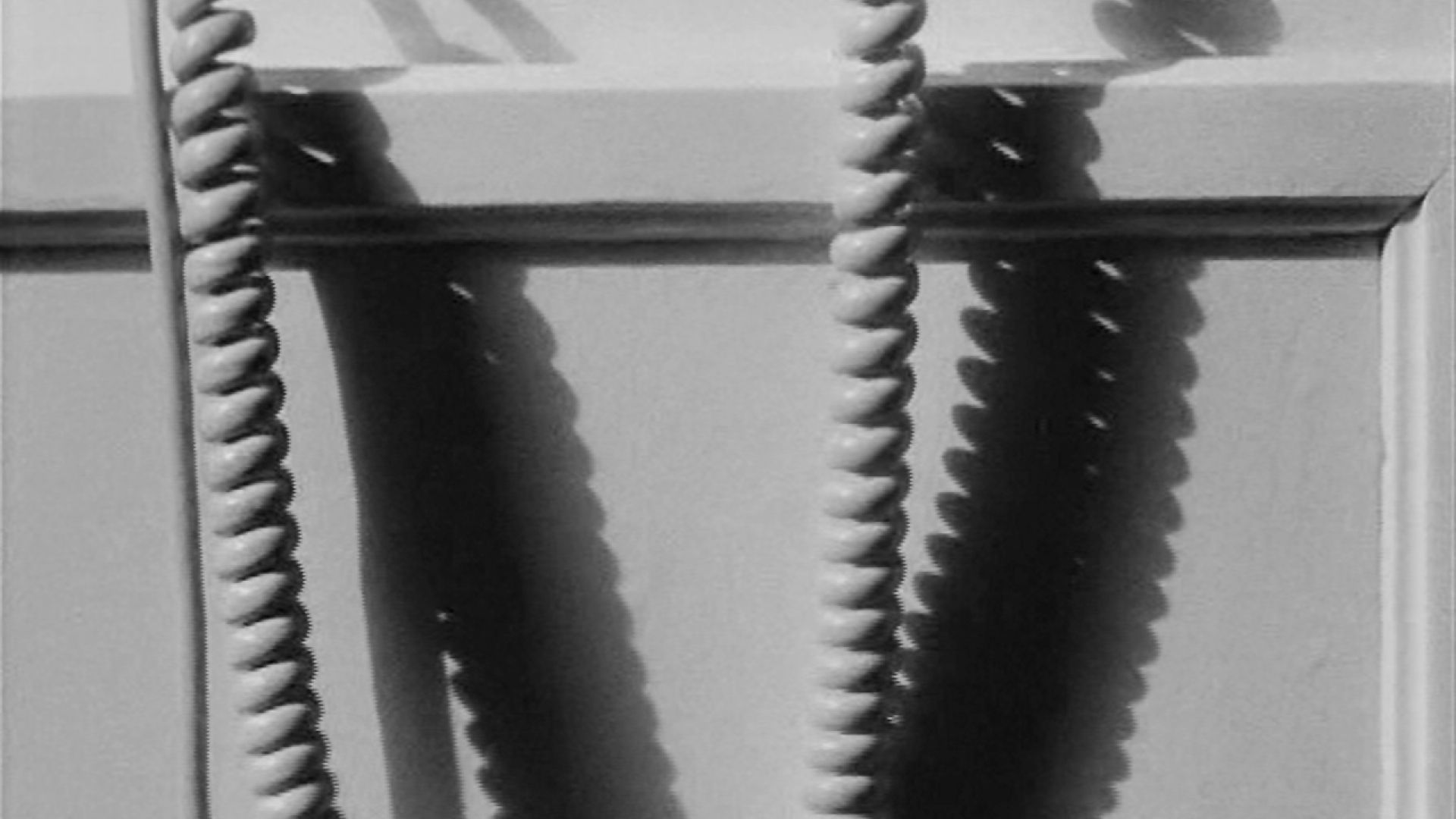
Fragment
Laura J. Padgett | 1986‒ 88 | Germany | 16 mm | 2 min
This film is a short study of the relation between language, touch and perception. Reversal and negative takes are edited together to create a narrative, while emphasising the quality of black and white film. The entire film was shot in one room. We hear bits of whispered text dispersed throughout the film, creating a sense of intimacy.
(Laura Padgett)
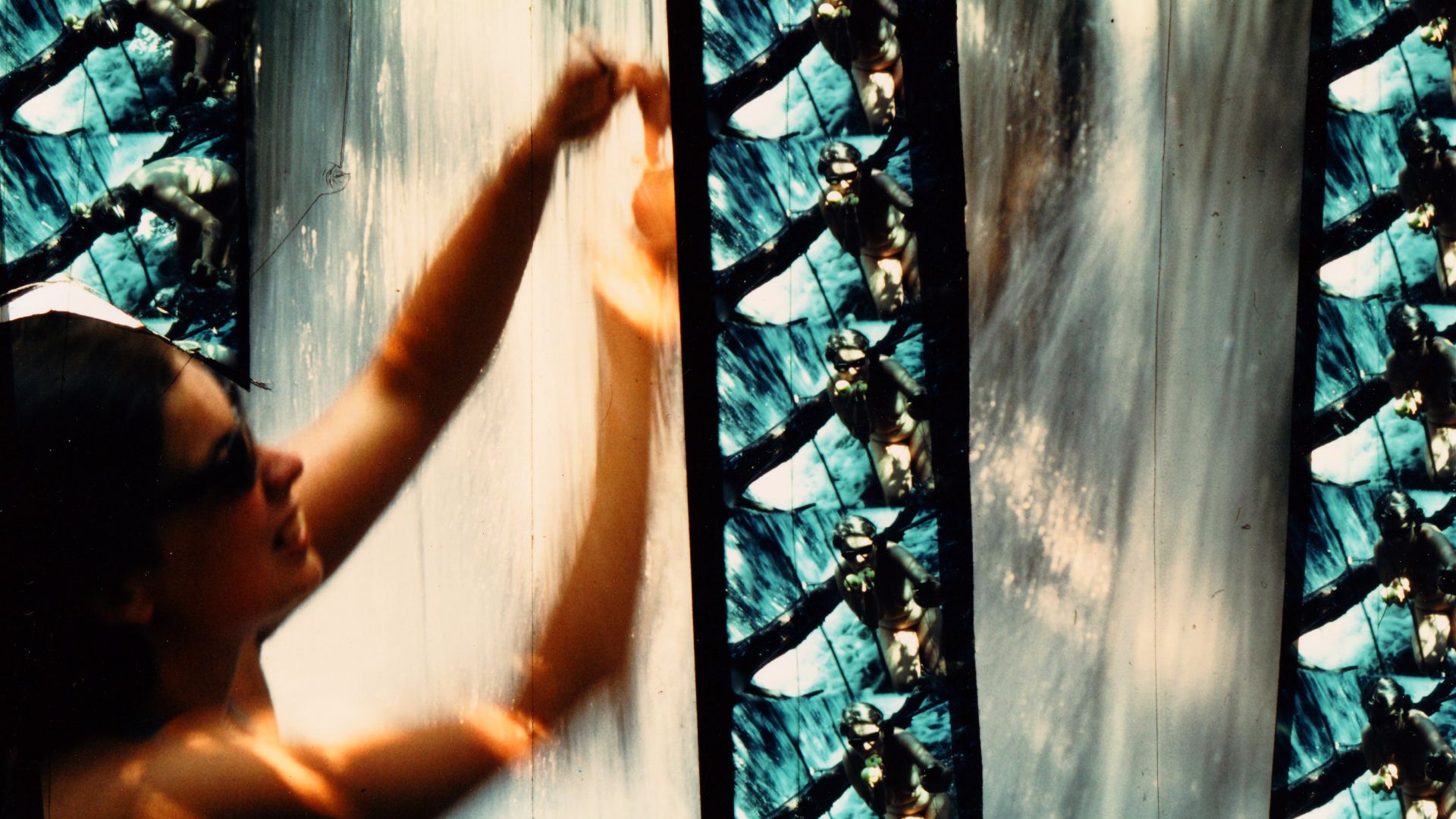
Und sie, sie liebte Raubtiere – tritt auch in den Garten (And she, she loved predators – step into the garden, too)
Hille Köhne | 1982‒ 86 | Germany | 16 mm | 10 min
Hille Köhne works with collected, often autobiographical material, using photographs which she places on film strips and on selected colour foils, which are laid side by side and on top of one another before finally being set in motion. The film is based on a quote from a Mayakovsky poem: “In the blue-green water lies the crocodile, listless and bored, ready to become a predator at any moment.”
(Renate Lippert)
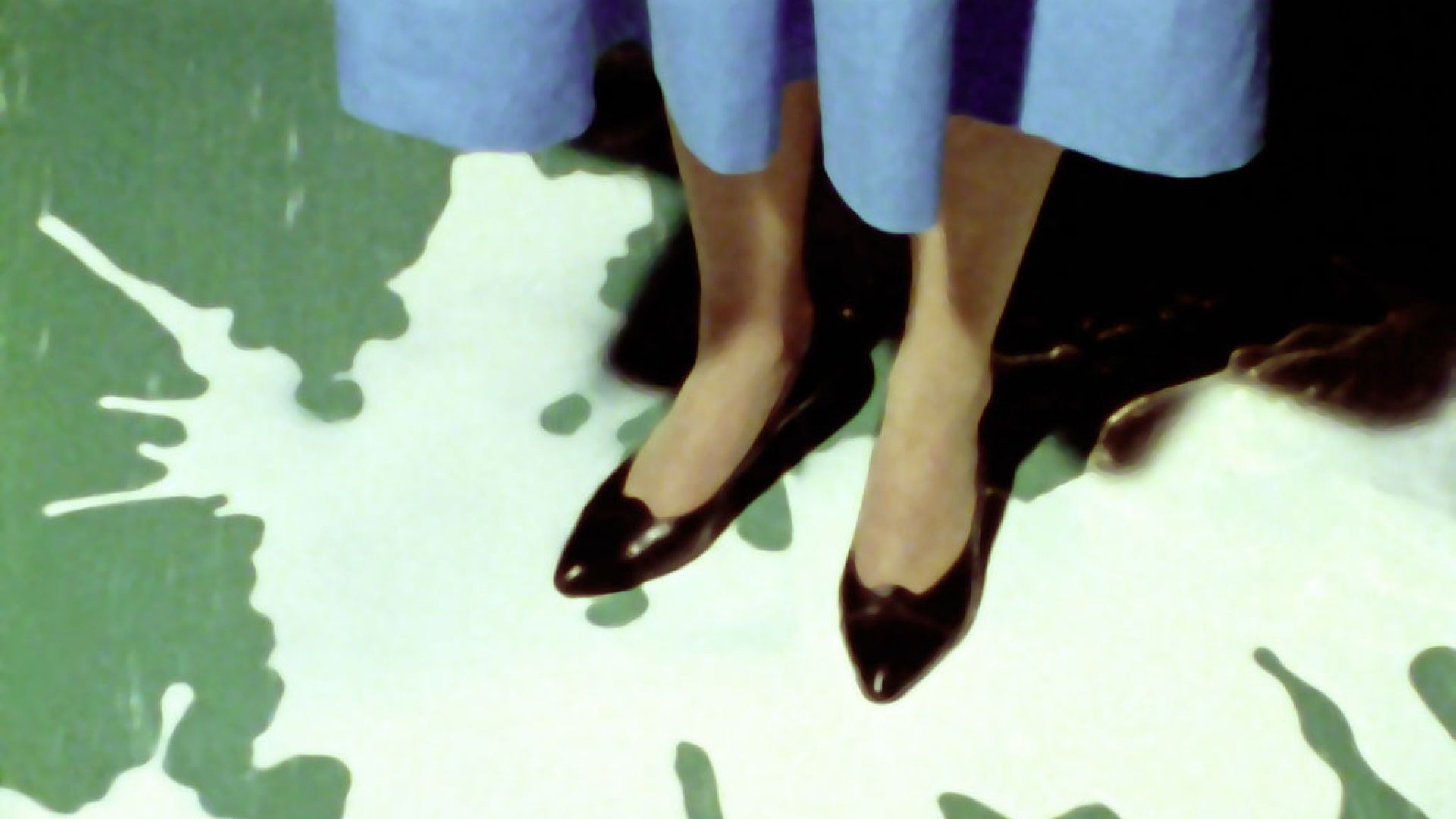
Alpsee (Alpine lake)
Matthias Müller | 1995 | Germany | 16 mm | 15 min
Photographed with an exquisite eye for interiors and restless invention, Alpsee stages a boy’s coming of age, that painful trend between infant dependency and mature individuation. Nearly wordless, Müller proceeds by analogy and synecdoche, gathering up precisely-framed moments within the home and collecting them as evidence. Its gorgeous chromatic scheme and high key lighting mark a significant departure from Müller’s narrow gauge efforts of the 80’s.
(Mike Hoolboom)
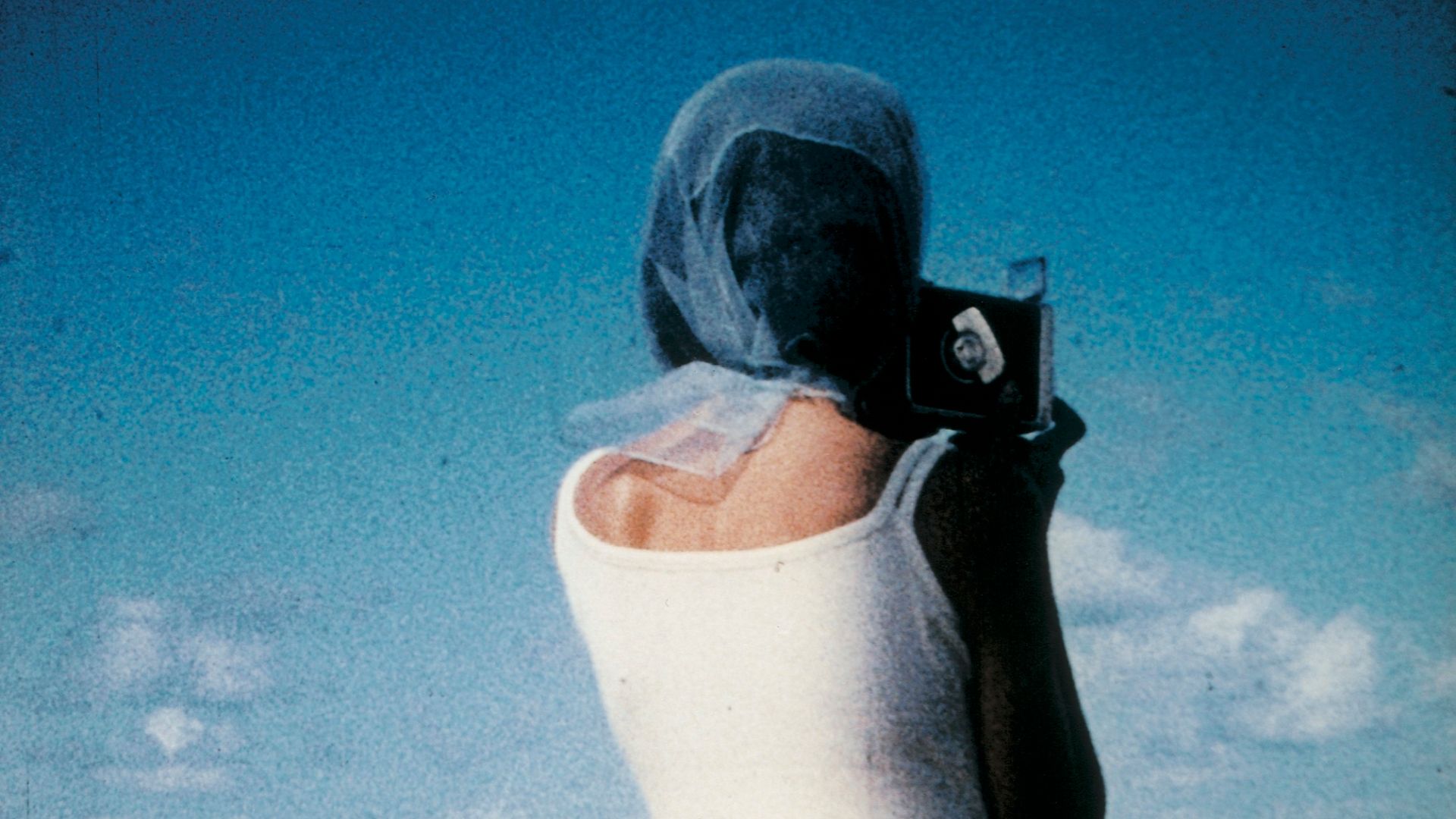
Passagen (Passages)
Lisl Ponger | 1996 | Austria | 16 mm | 12 min
Lisl Ponger creates an imaginary map of the twentieth century on which the stories of emigration are engraved like well-worn tracks of Western memory. The pictures, made by observant tourists, are revealed, in their tense relationship to the soundtrack, as a post-colonial trip. It is a trip around exactly those countries which long ago have been shrunk together in space and time. Finally, the wonderful neon signs of the Hotel Edison and Radio City remind one of the origins of this form of appropriation of the world, of the time of great expeditions, of Walter Benjamin‘s shop windows and passages, and of the time when technical apparatus and means of transportation fundamentally altered the perceptions of modern man.
(Christa Blümlinger)
KINOTHEK ASTA NIELSEN
GERMAN FORM AND TALES
With this programme, we would like to shed light on German experimental film from the 1980s and early 1990s—with the addition of a film by Lisl Ponger, the Austrian filmmaker and photographer. This introduction seeks to contextualise the films.
Our selection is subjective: a programme of memory and loss, not only of friends, but also of the films in their materiality, in their projection in the cinema space. Equally, it is a programme of lasting friendships and shared experiences.
Every text on the experimental film of this era begins by noting the abundance and diversity of aesthetic forms and political content, and the promising talents of young filmmakers. The foundation for this development lay primarily in the numerous very differently oriented film classes at art schools (HbK Braunschweig, HfK Bremen, Städelschule Frankfurt am Main, KhK Kassel, HfG Offenbach, and others) and, last but not least, the German Film and Television Academy in West Berlin (DFFB). The teachers included, for example, Gerhard Büttenbender, Peter Kubelka, Klaus Telscher, Udo Serke, and Werner Nekes—all filmmakers. In contrast to the many women filmmakers whose work combined feminist positions with formal strategies (Ute Aurand, Rotraut Pape, Eva Heldmann, Bärbel Freund, Hille Köhne, Pola Reuth, Laura Padgett, Noll Brinckmann, to name but a few), a remarkable gender gap still existed in teaching positions. This would change only much later.
It is also important to note that a wide-ranging funding structure supported the making of non-commercial films. That alone is not enough, of course; the films also needed to be shown.
There was a wealth of festivals where we met throughout the year, initially the most important one being the Osnabrück Experimental Film Workshop; then, under my management (Karola Gramann) from the mid-1980s onwards, more and more the Oberhausen International Short Film Festival, the Stuttgart Film Winter, and Experi Nixperi in Bonn. Of particular significance was the International Forum of Young Cinema, founded in 1971 as a section of the Berlin Film Festival headed by Ulrich and Erika Gregor, who saw it as their task to show films that extended and redefined the language of cinema. There is scarcely an independent German filmmaker whose work has not been shown there. In Switzerland, there was Viper in Lucerne and also the Festival des Cinémas Différents under the auspices of the festival in Hyères, France. Furthermore, an increase in distribution work helped ensure the films were seen and discussed (such as Ingo Petzke’s Cine Pro company). The Goethe-Institut supported this development through several internationally circulated experimental film “packages”, some of which were compiled and presented by the great curator Alf Bold.
We should remember here our friend and mentor Alf Bold, who passed away far too prematurely and who turned the Arsenal cinema in Berlin into a School of Seeing for us.
Experimental film flourished in the 1980s not only at festivals but also in cinemas, and found its echo in film criticism. During this period, we took a particular interest in feminist and queer cinema (as authors and co-editors of the journal Frauen und Film – Women and Film), a movement which managed to break into a scene that was heavily male-dominated. We participated in it as critics, curators and festival organisers, so it is part of our history. It was only logical, then, that in the late 1990s we developed the concept for a “Living Archive”, the Kinothek Asta Nielsen, which is dedicated to the film work of women throughout history and the present day, and to gender relations in cinema. The focus has always been on engaging the audience, historical film research, publications, and, over the years, the development of a film and paper archive. We were responsible for the Kinothek project from 1999 to 2018, with the support of many allies. In 2018, Gaby Babić, who now leads the Kinothek, joined us on a new festival, Remake. Frankfurter Frauen Film Tage, which we had worked towards in previous years. It has been held every two years since then.
Major film-historical retrospectives were organised, including on Germaine Dulac, Asta Nielsen, Alice Guy, Lois Weber and Elvira Notari, some accompanied by publications. Silent film and music also played a major role. Queer cinema was an integral part of our programming from the very beginning. One of the most prominent events was “Extratrouble—Jack Smith in Frankfurt” featuring superstar Mario Montez, as well as “Only Angels Have Wings” with guests Isaac Julien and Terence Davies. An intrinsic part of our work involved presenting experimental, independent film by women: Renate Sami, Elfi Mikesch, Ute Aurand, Noll Brinckmann, Helga Fanderl, Laura Padgett, Milena Gierke—to name but a few.
In this sense, this programme is also part of the work by the Kinothek Asta Nielsen.
Karola Gramann and Heide Schlüpmann
*The title is taken from a programme of German experimental films curated by Michael
O’Pray in 1984 for the Goethe-Institut London and the Arts Council of Great Britain.
We should like to dedicate this programme to the memory of Klaus Telscher, whose contribution to German experimental cinema should once again be made available to an international audience. His work was brutally cut short by a serious illness in 1995. He was unable to make any more films after that until his death in 2025. Klaus will always remain in our hearts as our friend and as a splendid filmmaker.