It includes about thirty artworks filmed in the last two years, three pieces of expanded cinema in Sinais Desbordamientos; and six films from Brazil, Bolivia, the Dominican Republic, Chile, Ecuador and Peru in Sinais Latinoamérica
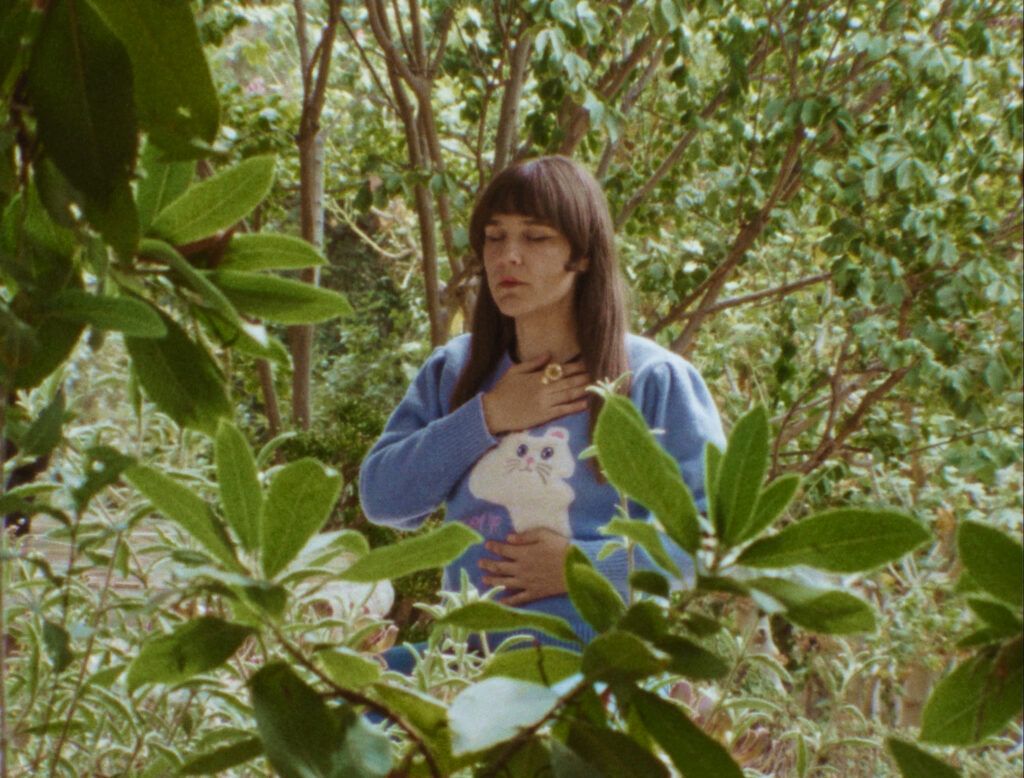
OAO (2026), Rocío Mesa.
The 17th Mostra Internacional de Cinema Periférico de A Coruña will once again be the meeting hub for the most modern creations from avant-garde cinema, with daily programmes dedicated to films from 2025 and 2026. This will be happening within the Sinais, Sinais Latin America and Sinais Desbordamientos (Overflows) sections, which are bringing together a total of 38 films, 70% made by women and almost all shot and screened in Super 8 and 16 mm.
These numbers reveal the dynamism of avant-garde cinema, especially in the Iberian Peninsula and Latin America, with a very active experimental scene to which (S8) has contributed as a bridge and meeting place, stimulating the creativity and productivity for new films. In fact, year on year the festival is receiving an increasing number of films for its Sinais section, indicating the growth of performative proposals, often influenced by the experience of filmmakers at the Mostra in A Coruña.
THREE SESSIONS WITH THREE THEMED AREAS
Avant-garde cinema made in Galicia, Spain and Portugal is the true star in Sinais, with three sessions showcasing the most risk-taking and interesting proposals in film experimentation over the past two years. The first of these boasts works that have drawn up an intimate mapping of several cities by people who were not born in them. Such is the case of Taipei in Formosa’s Paradox (2026) by Esperanza Collado; and the latest film by the Venezuelan Valentina Alvarado Matos: tocant la llum (2026), into the sij community living in Vic (Catalonia). The programme is rounded off with Banana Plant (2026) by Claudia Claremi, Mirar y aprovechar (2026) by Orisel Castro and York Neudel, and Vereda (2025) by Francisco Burneo.
This first session of Sinais will kick off with the world premiere of Béal (2026) by Juana Robles, filmed in Toronto’s Peace Garden, where the director discovered a geographical urban flashpoint as well as a refuge for listening. This piece is the result of her stay in Canada with the artistic residency backed by (S8) with the support of Acción Cultural Española (AC/E) and the Liaison of Independent Filmmakers of Toronto (LIFT).
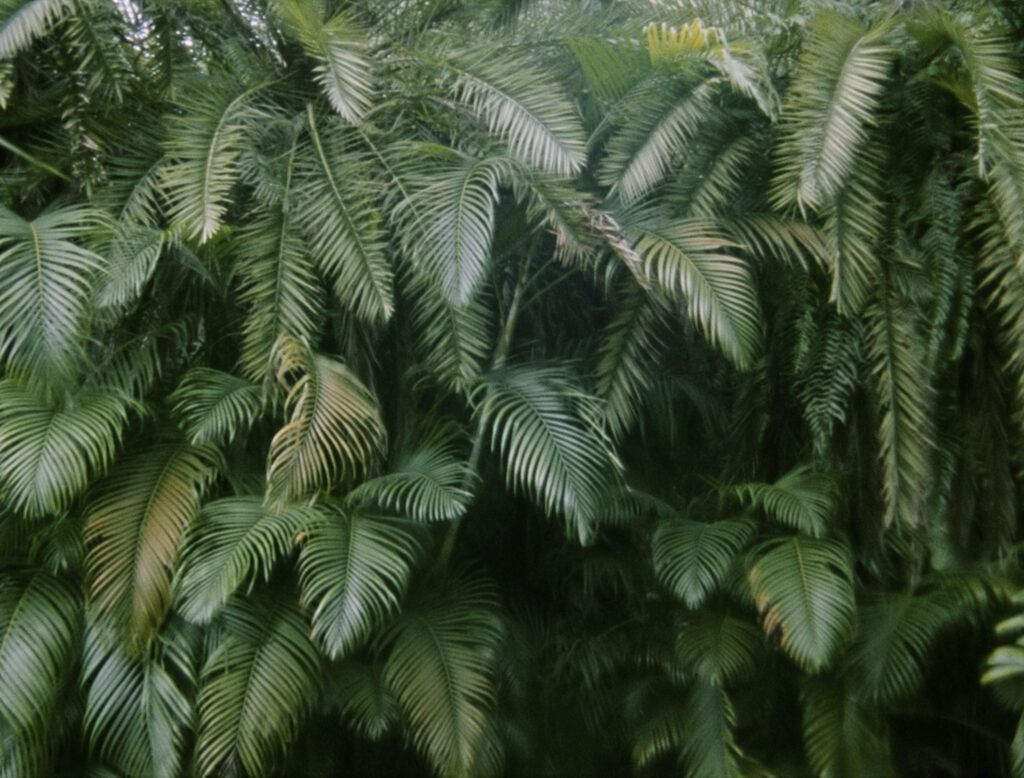
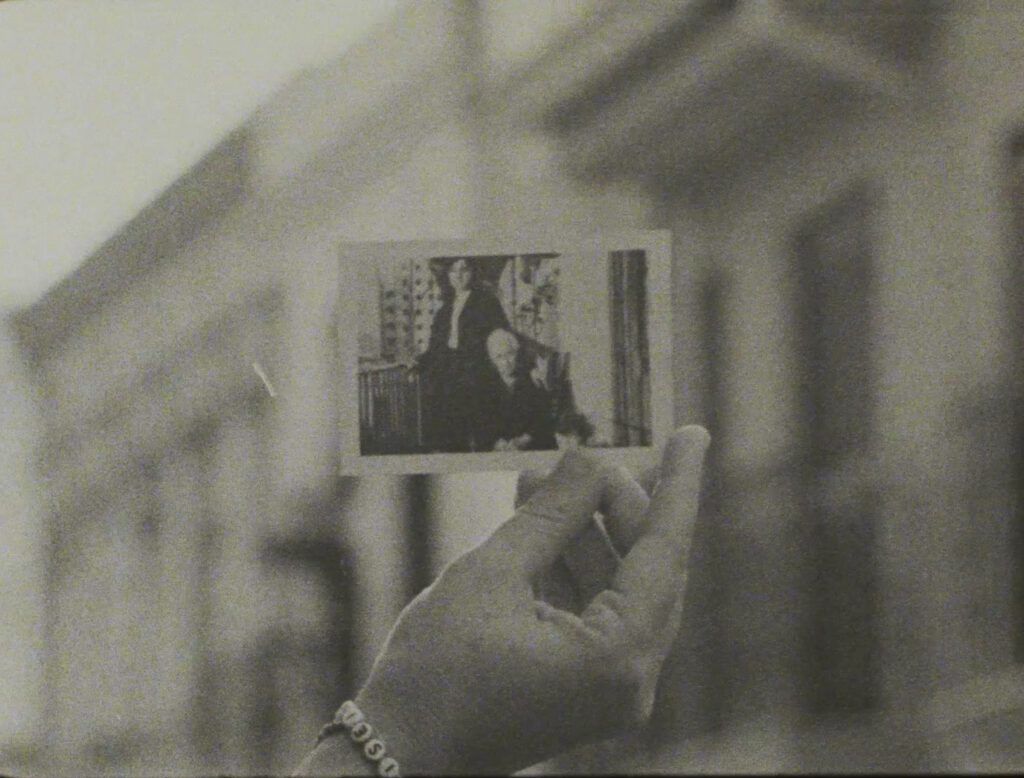
Formosa’s Paradox (2026), E. Collado | Mirar y aprovechar (2026), O. Castro y Y. Neudel.
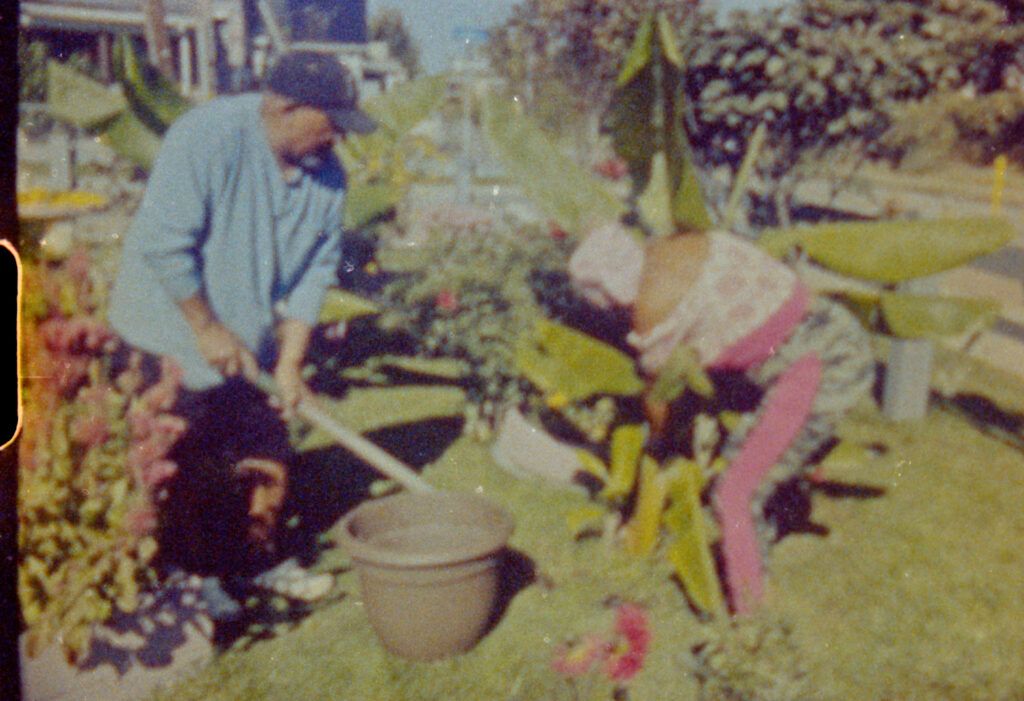
Banana Plant (2026), Claudia Claremi.
Another of Sinais’ thematic pillars is the search for the underlying historical or mythological layers lying dormant in places, also constructed via experimentation in making them. In el agua disuelve su imagen, el paisaje desaparece (2025) by Delfina Vázquez, the deterioration of the film itself brings a quality of transition between two worlds. In Iria Silvosa’s work A Pena (2026), it is the Galician landscape that emerges, carrying a silent burden, a symbolic world also captured by Tiago Almança in Una dança non sancta (2026).
For all three, it is the first time their films are on the programme at (S8), though many other filmmakers are returning to Sinais with their latest productions. This is the case of Álvaro Feldman with Poco a poco (2026) and the Galician Cristina Souto Pita with Mirar al agua (2025), as well as Area Erina with Rachar en dous (2025).They will be accompanied by Constant, Co-present (2025) by Nicole Remy, Luz ígnea (2024) by Catalina Giordano, dashed in here, seeing you green (2026) by Blanca García, Li’s Fenster (2026) by Antonio Trullén, and Destellos (2026) by Emiliano Reyes.
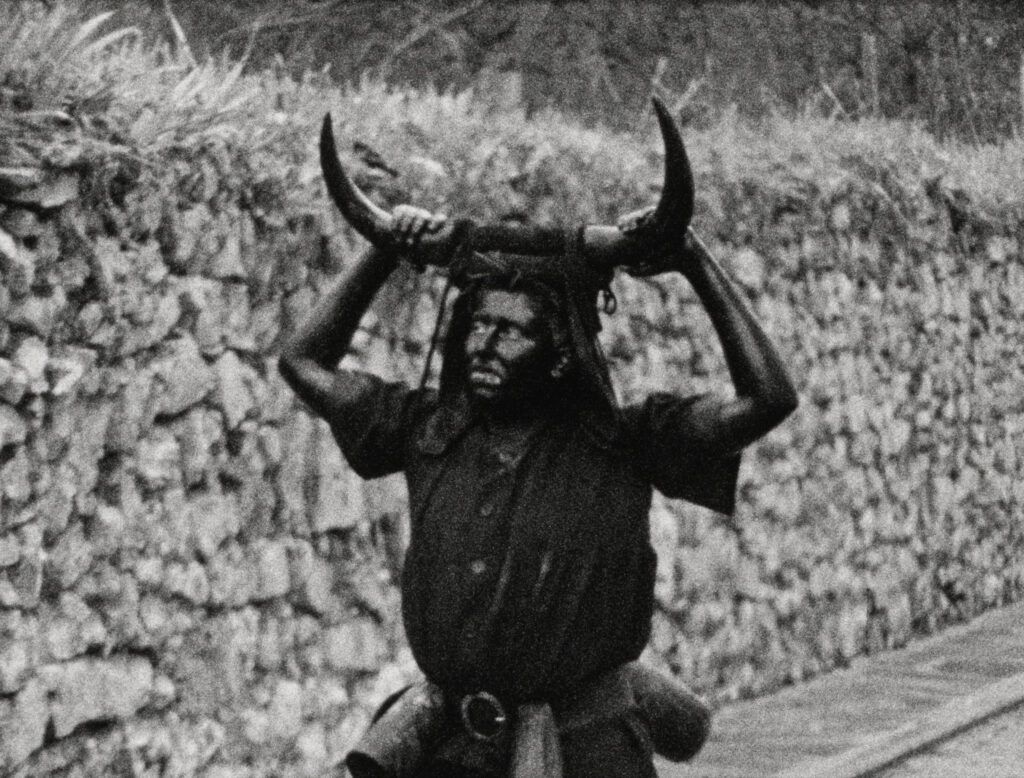
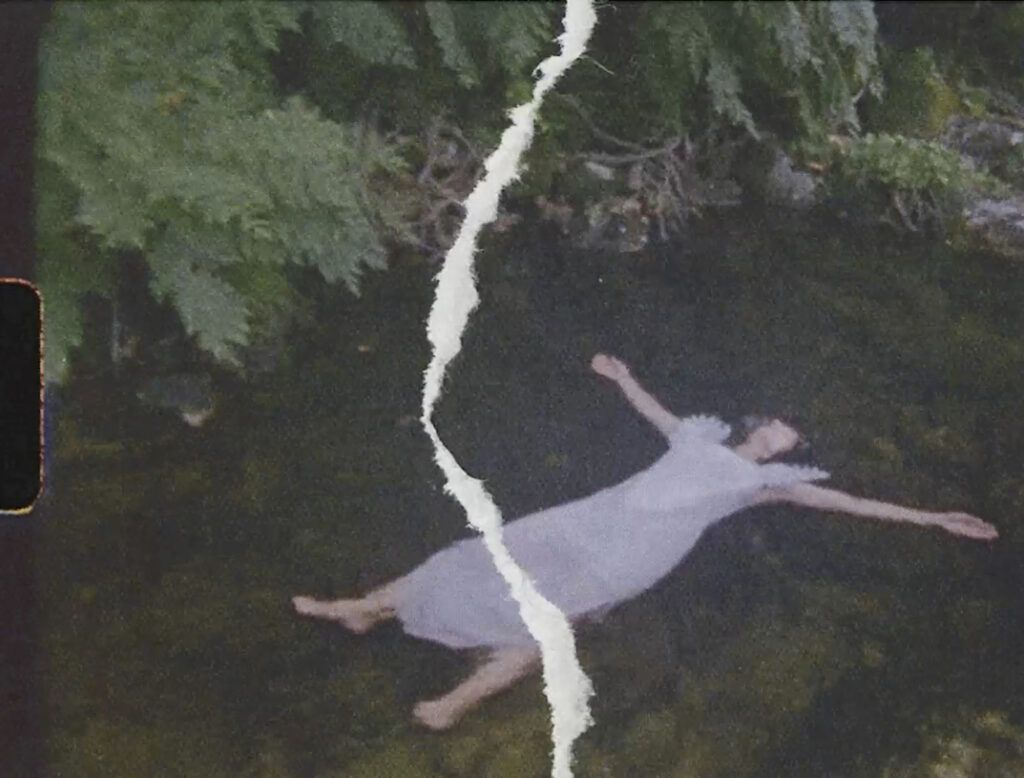
Una dança non sancta (2026), Tiago Almança | Rachar en dous (2025), Area Erina.
The last of the Sinais sessions shifts towards dreaming via mise-en-scène, the use of devices, and the creation of fables. Here too there are artists and collectives making their debut at the Mostra, demonstrating the potency of self-managed avant-garde creations. The Super8eres Collective—made up of Natalia Lucía, Elena Maravillas, Meritxell Blanco, Antonia Cohen, Anna Molineros and Ramona Fernández—will be presenting Bang Bang Stefi! (2025), a feminist reinterpretation of the Western. Avis Lumbre, for its part, is an international collective based in Madrid, comprised of Sofía Blanco, María Paz Correa, Sofía Legarreta and Andrea Sánchez, who will present Hifas (2025), a work that delves into the language of fungi, creating a parallel with film language.
The remaining pieces included in this third session of Sinais are Carta #10 (2026) by Helena Estrela, Autodefinidos (2025) by Lucía del Valle Ramírez, Cascada (2025) by Raffaella Rosset, Aroma (2025) by Pablo Arenas, Kuñataĩ (2026) by Luis Lechosa, Desayuno con Lara (2025) by Claudia de la Iglesia, El Camino a Casa (2024) by Ceci Romero, El tuerto es el rey (2025) by Jorge Domingo, UNTIL WE MEET AGAIN (2026) by FLESH WEBM, and OAO by Rocío Mesa.
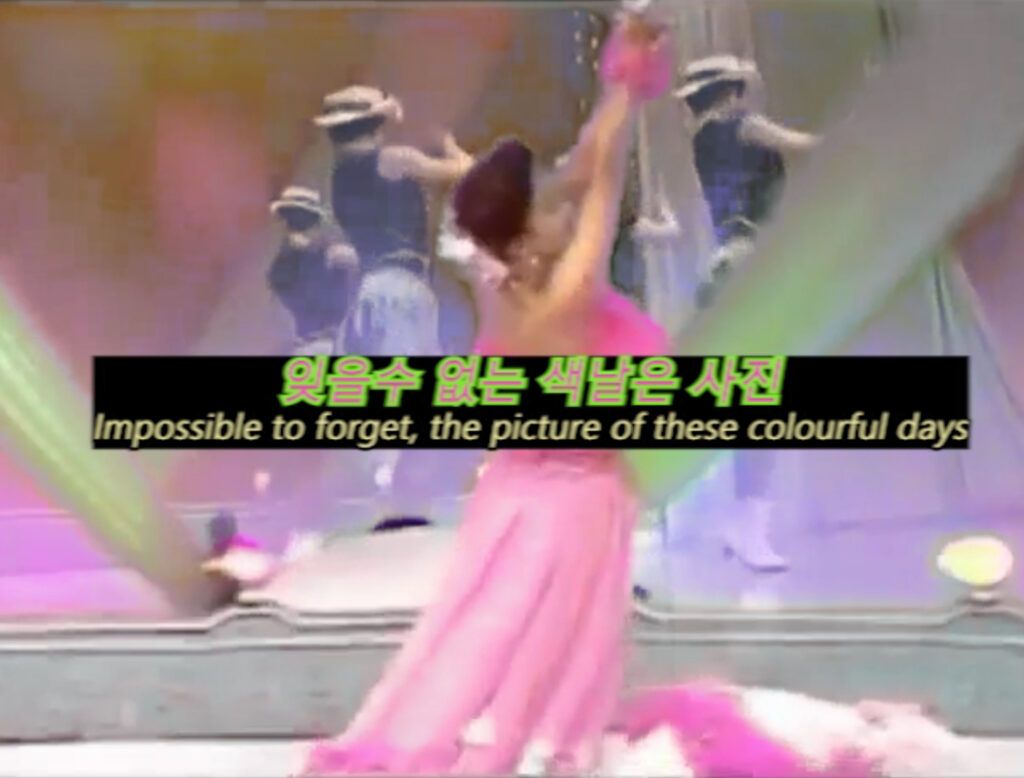
UNTIL WE MEET AGAIN (2026), FLESH WEBM
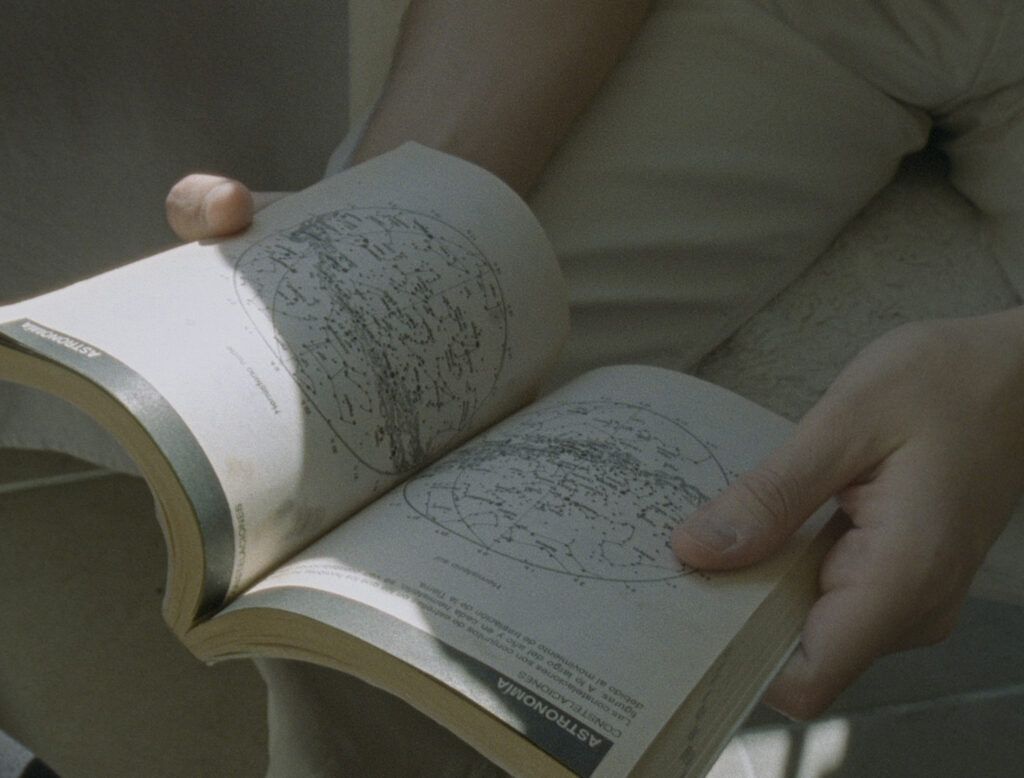
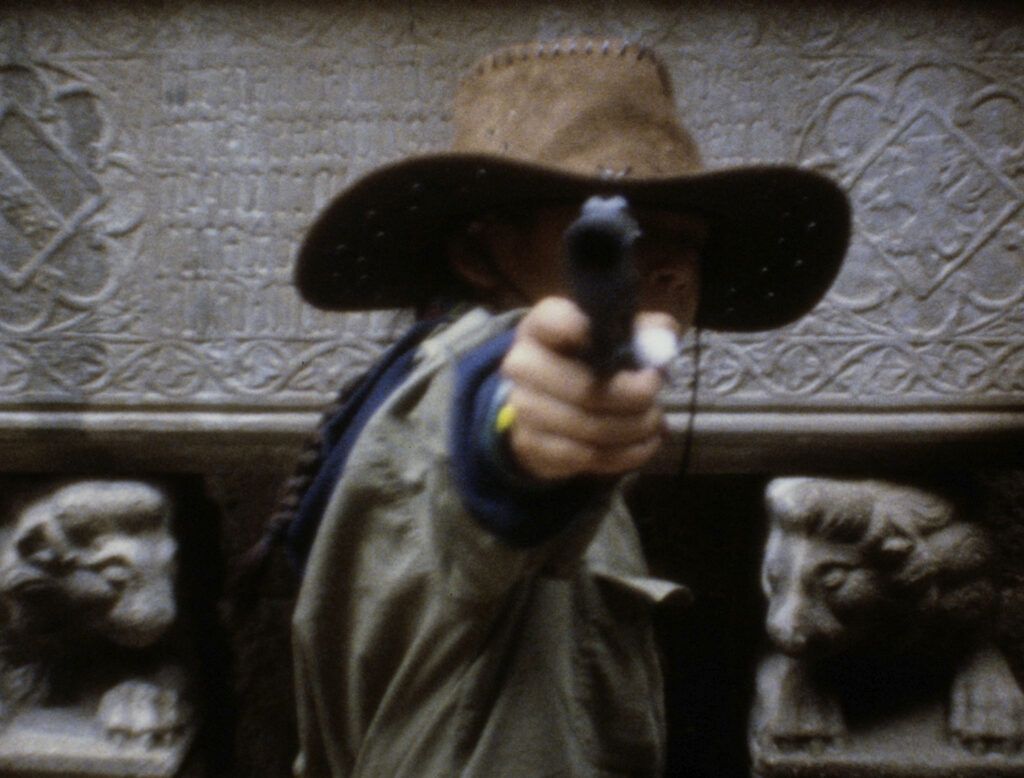
Carta #10 (2026), Helena Estrela | Bang Bang Stefi! (2025), Colectivo Super8eres.
SINAIS LATIN AMERICA: THE SPRINGBOARDS OF CREATION
The films in the Sinais Latinoamérica section have been selected based on the belief that films are gateways to places, people, memories, sounds, desires and light, evoking sensory recollections of places and people that are part of the filmmakers’ life experiences. Most of the programmed works reflect diverse Latin American contexts from both personal and collective perspectives.
That is why some films also reflect the emotional ties to places left behind. It is the case of the shadows of Pompa y circunstancia (2026) by the Ecuadorian Daniela Delgado Viteri, which will enjoy its world premiere here and was supported by INPUT, (S8)’s project mentoring space. Emotions also emerge in the visual experimentation to immortalise the Pacific, which is the theme of Amor (2025) by Javiera Cisterna. They are also found in the interior landscape combined with contextual sound with which Biviana Chauchi portrays her hometown in Lima (2026). The section also includes the works Meu amigo Pedro Mixtape (2024) by the Brazilian Lincoln Pericles; Trizas (2026) by the Bolivian Luciana Decker; and from the Dominican Republic, Nada fuera de la Isla: puentes (2024) by Dalissa Montes de Oca.
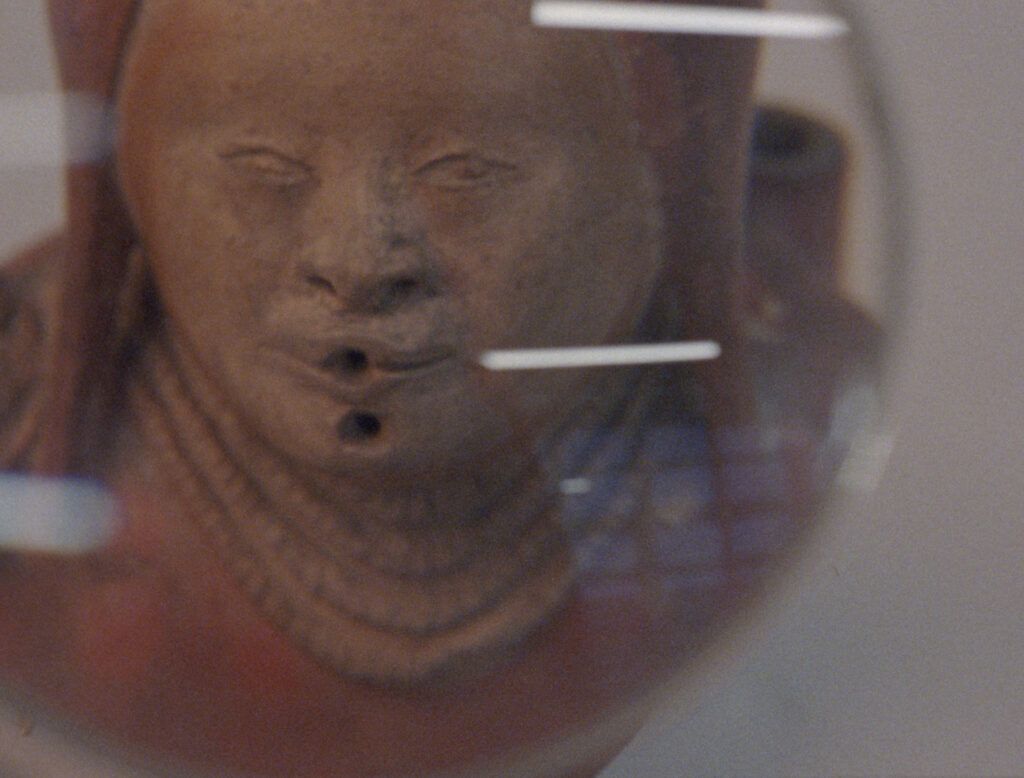
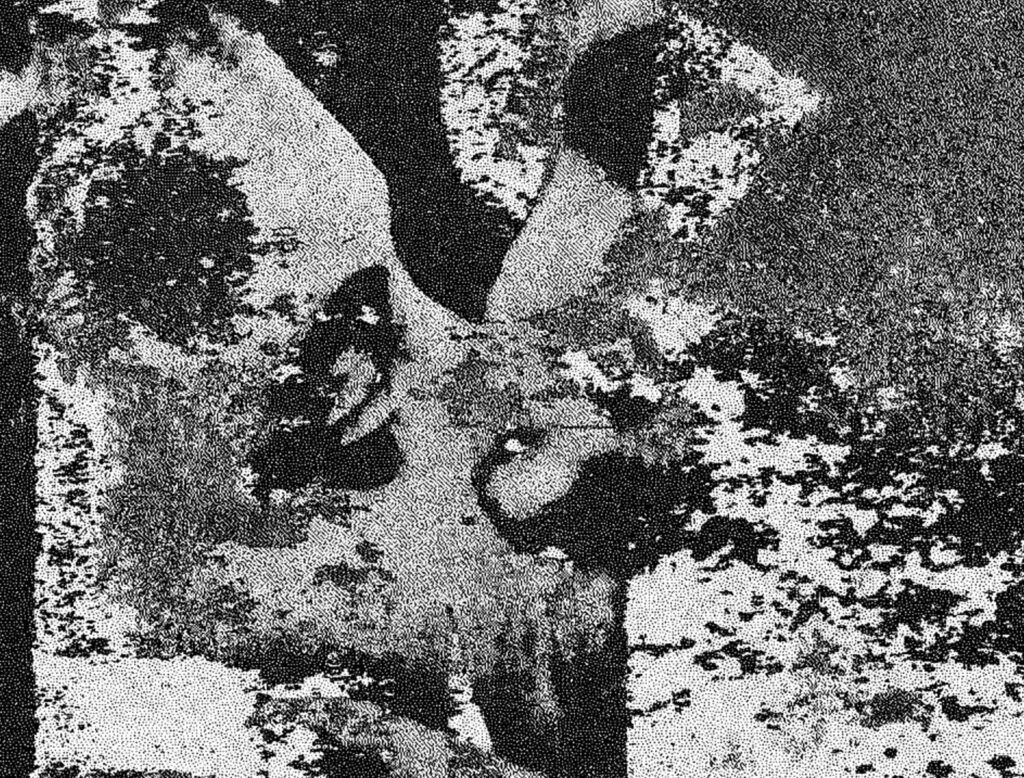
Trizas (2026), Luciana Decker | Amor (2025), Javiera Cisterna.
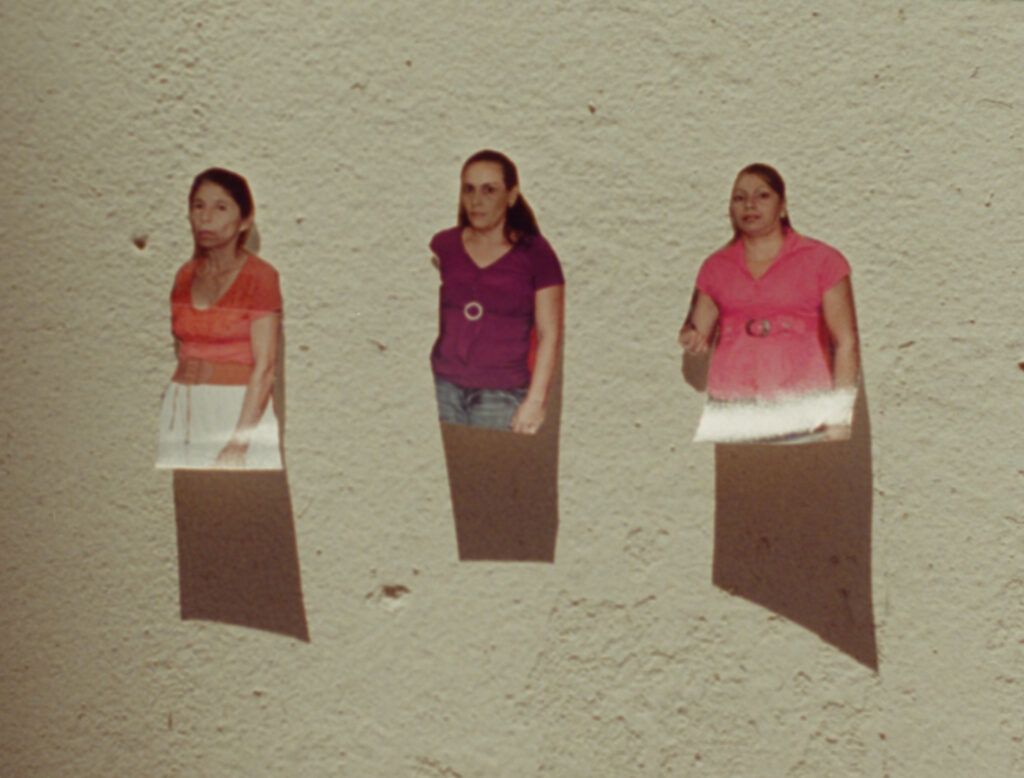
Pompa y circunstancia (2026), Daniela Delgado Viteri.
SINAIS DESBORDAMIENTOS: LIGHT AND SOUND WITH NO LIMITS
Another new addition to last year’s programme that is now established in (S8) is Sinais Desbordamientos, which again brings together the best proposals for film performances and expanded cinema produced in the Iberian Peninsula. The session, held as usual in the courtyard of the Luis Seoane Foundation, will begin with Niño monaguillo y sus pecados (2024) by the Galician Pablo Agma, inspired by the fragmented memories of an ecclesiastical childhood, and which mixes intervened screening, staging and sound accompaniment. Following this, it will be the turn of Guillermo Braga from Asturias, who has chosen Sinais
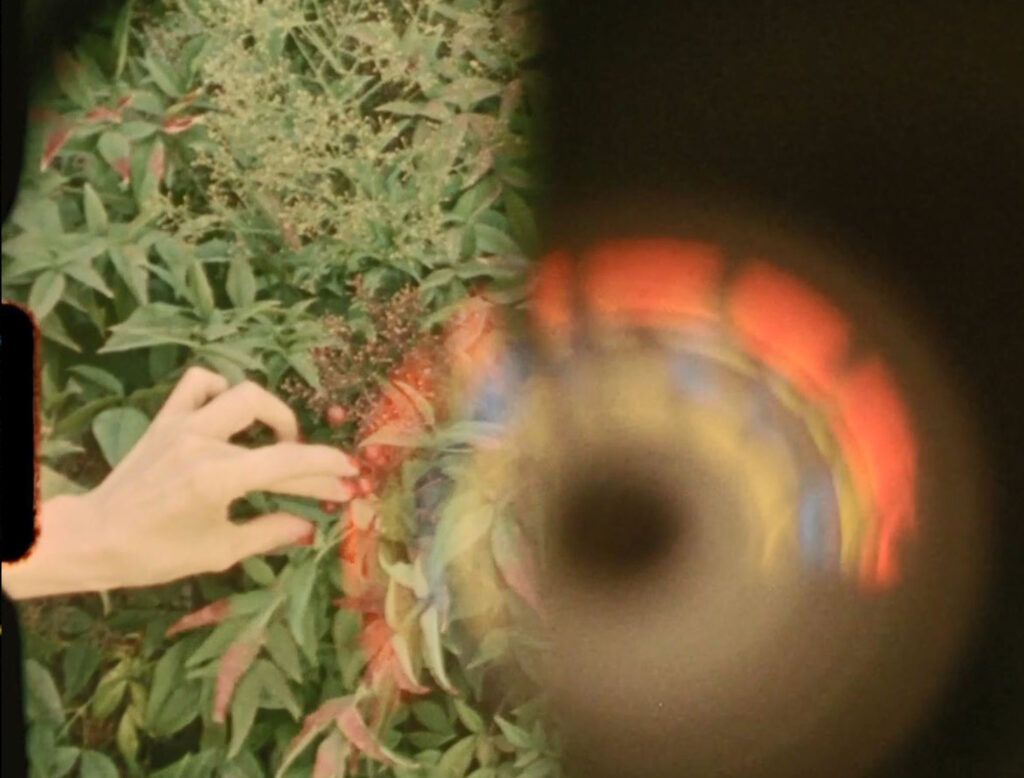
Desbordamientos for the world premiere of the performative version of his film Descubro el rayo, tus ojos tiemblan (2026), in which he explores new possibilities of light as a transformer of the image and the viewer’s senses. The evening will end with the unique sound and visual performance of the legendary group Los Caballos de Düsseldorf (LCDD), meaning Olaf Ladousse and Carmen Espina Flórez. They will be using music made with toys and other devices collected off the streets to provide live sound for their film Fifty Fifty (2025), filmed in Super 8. Their participation will continue with sound improvisation to round off the evening.

Descubro el rayo, tus ojos tiemblan (2026), Guillermo Braga.
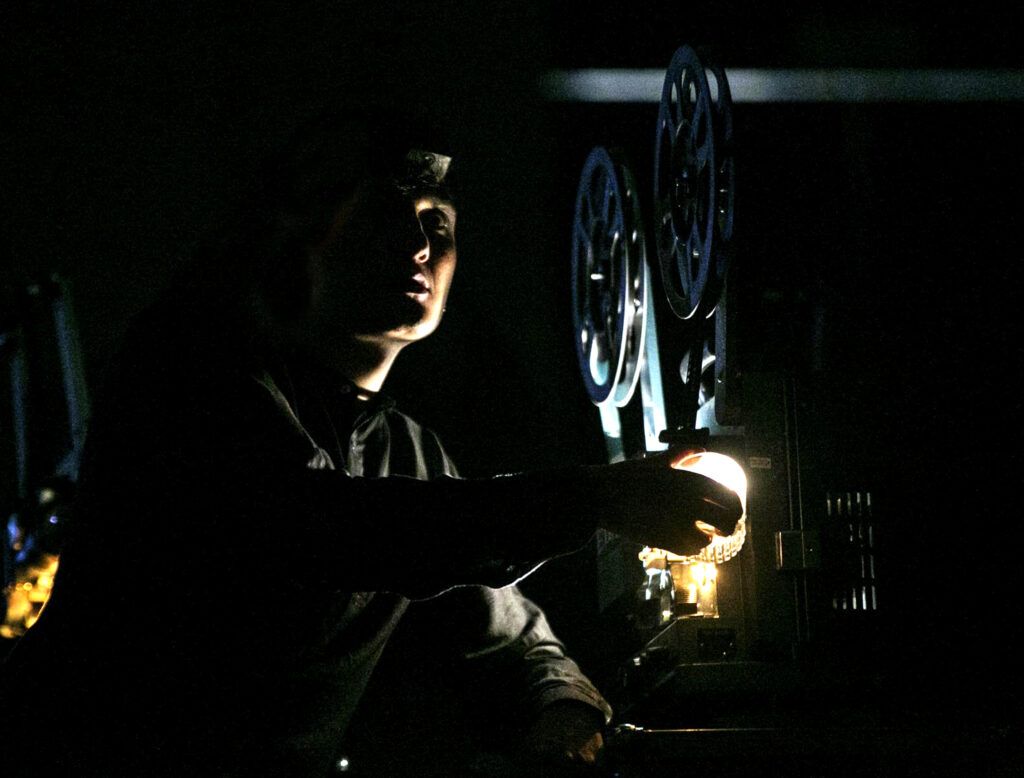
Fifty Fifty (2025), Los Caballos de Düsseldorf | Niño monaguillo y sus pecados (2024), P. Agma.
The 17th (S8) Mostra Internacional de Cinema Periférico is to be held in A Coruña between 2nd and 7th June, 2026. It is sponsored by the Concellería de Cultura e Turismo of the Concello da Coruña, and the support of the Deputación da Coruña, the Axencia Galega das Industrias Culturais (Agadic), Instituto da Cinematografía y de las Artes Audiovisuales (ICAA), Acción Cultural Española (AC/E) and the Fundación Luis Seoane.