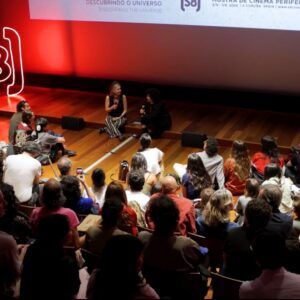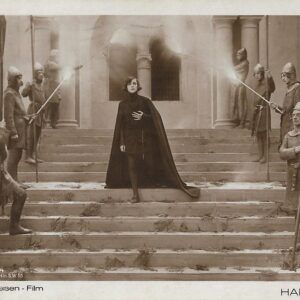
Fifteen films made specifically for the (S8) will be screened, focusing on cinematic craftwork, formal experimentation, and the nostalgia caused by being uprooted.
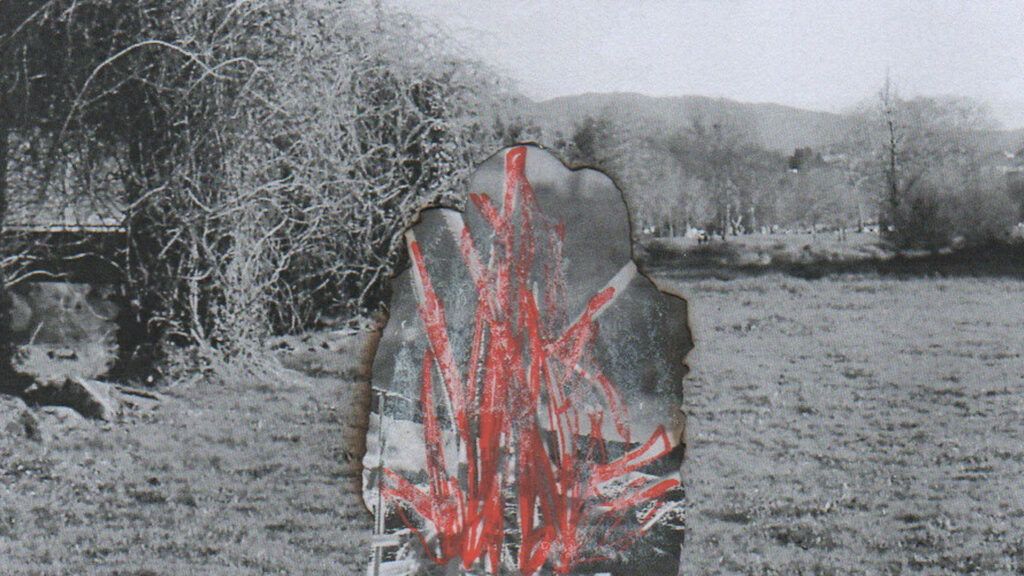
Xogando ao agocho (2026), from Naiara Vila Canle, Faculty of Fine Arts from Pontevedra.
In its commitment to fostering the production of cutting-edge cinema, the 17th Mostra Internacional de Cinema Periférico film festival in A Coruña once again includes a Paraíso gathering in its programme. It will be showing fifteen films with an artistic inspiration created in the Fine Arts faculties of the Universities of Vigo, Salamanca and the Complutense of Madrid. This initiative, now in its sixth year, is organised by eSe8_LAB, the festival’s laboratory dedicated to research and development for film projects, with the aim of giving students the opportunity to experience active participation in a film festival.
PONTEVEDRA, THE EXPANDED FRAME
Six works from the faculty of Fine Arts in Pontevedra belonging to the University of Vigo will be projected, in which the protagonist is the expanded frame and a kind of return to physicality, to manual gestures. These include Xotando ao agocho (2026) by Naiara Vila Canle, where she evokes an unstable process in which the human is defined then blurred. There will also be Santiamén (2026) by Claudia Fandiño Moldes, a saturation of visuals and sound in which she experiments with childhood drawings. We can also see Oda á extinción (2026) by Isabella Moreno Rueda, who imagines an end of the world in which the virtual consumes humanity by saturating the image of matter.
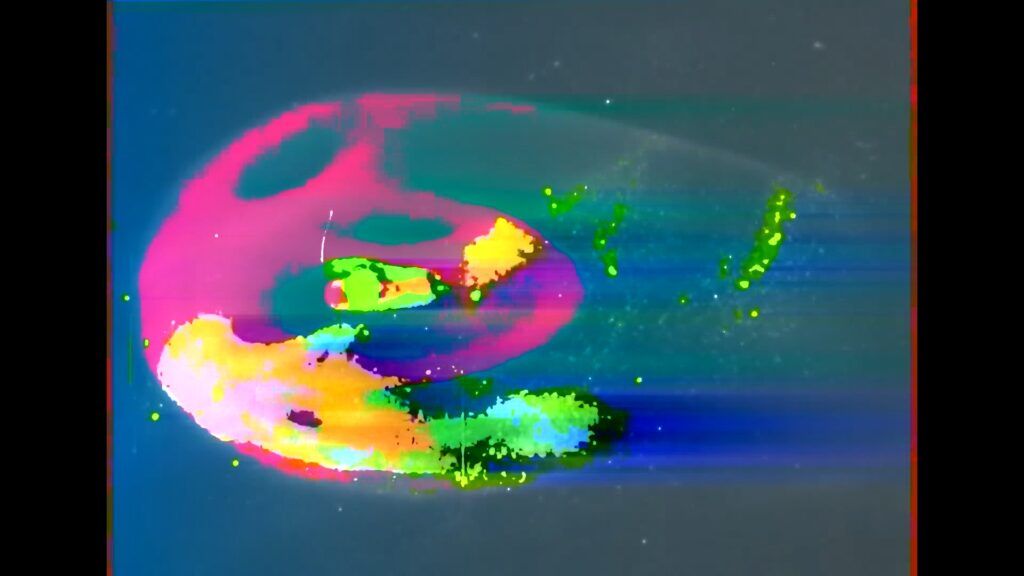
Oda á extinción, Isabella Moreno Rueda (2026).
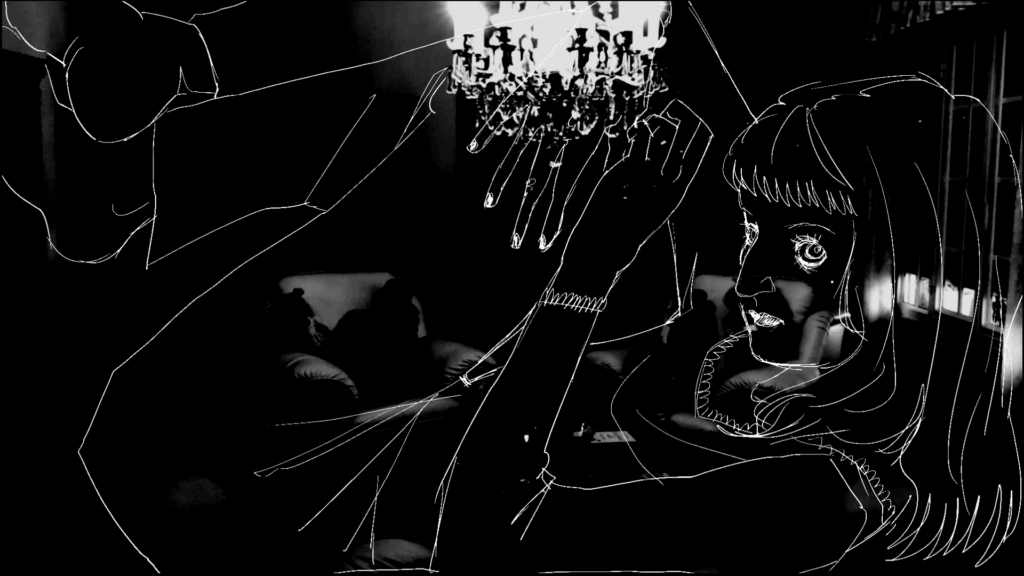

Transmisión, Xulia García Pintos (2026) | Santiamen, Claudia Fandiño Moldes (2026).
The other three pieces arriving from Pontevedra are: Transmisión (2026) by Xulia García Pintos, a dreamlike work with a young woman trapped between radio frequencies; the existentialist essay Persistencia do baleiro (2026) by José García Estévez and Isabella Moreno Rueda; and A viaxe do tolo (2026), a stop motion piece created by Raúl Díaz Alonso. All of these films have been made possible with the support of Xisela Franco, filmmaker, lecturer and collaborator with Paraíso since it was launched, who defines these gatherings as a home one comes to in order to find “the cinema that will always be yet to be made”.
MADRID, FILM ESSAY
Following its debut at the 2025 Mostra, this year the Faculty of Fine Arts of the Complutense University of Madrid will again be joining Paraíso. The person responsible for selecting the works to be projected was the lecturer Noemí García Díaz, who detects in her students’ works a search for the essence so as to elevate it to a universal plane via creative gestures. The result is four film essays that include various film forms such as animation, performance, image appropriation, and the reinterpretation of video clip codes.

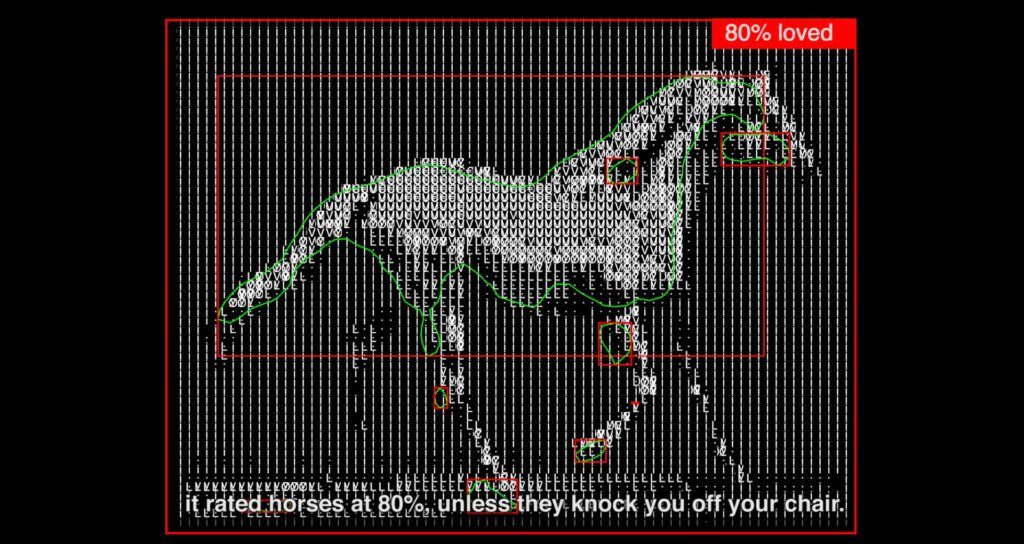
Las chicas como ella, (2026), Zoila Electra | I Love You, (2026) Petra Montoro Portales.
In Las chicas como ella (2026), Zoila Electra intervenes in digital memories of a childhood marked by domestic and gender violence. Petra Moreno Portales appropriates from the 19th century study Animals in Motion by Eadweard Muybridge to create I Love You (2026) using a fusion of aesthetics and programming codes. Luz (2026) by Evelyn Andrea de la Vera-Ovinolavera Cevallos explores identity as a mutating territory, while Suelo (2026) by Clara Tomme Rivera uses a visual and sound proposal to construct what she considers to be the step towards death.
SALAMANCA, CONJURING UP NOSTALGIA
Memory and displacement are the central themes of the five proposals put forward by the Bachelor of Fine Arts students from the University of Salamanca. In Era (2026), Olga Sofía Escobar Fajardo constructs a story based on unfinished fragments to evoke the diffuse memory of her native Venezuela. The loss of a way of life and language, in this case from Asturias, is the main theme in Puxa que espanta (2026) by Silvia Alonso Díaz. For her part, Julia Battaner Egoscozábal attempts to create an epistolary piece about the resistance of her own family in 7 pasos para una carta (2026).
Chus Domínguez, the lecturer coordinating these students’ participation in (S8), underlines how in all these pieces nostalgia is conjured up for a lost home whether it is a house, a country, or a language. The other two that will be presented in Paraíso are Falso azafrán (2026) by Sara Fénix, and zungwang (2026) by Juan Sebastián Ortega Bolaños.
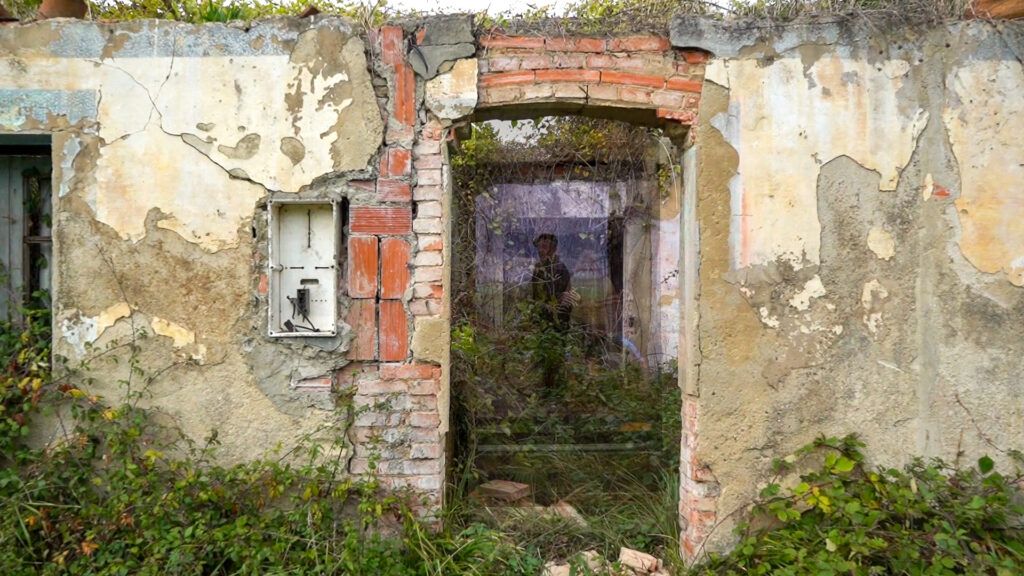
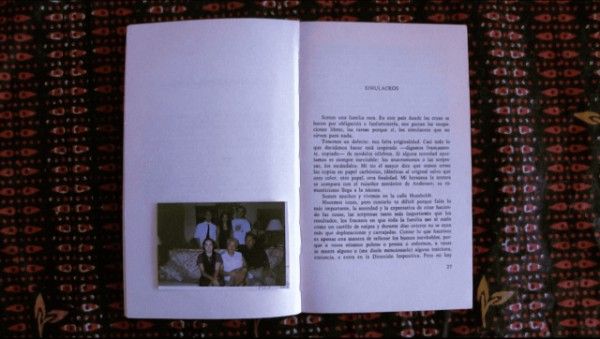
Puxa que espanta (2026), Silvia Alonso Díaz | 7 pasos para una carta (2026), Julia Battaner
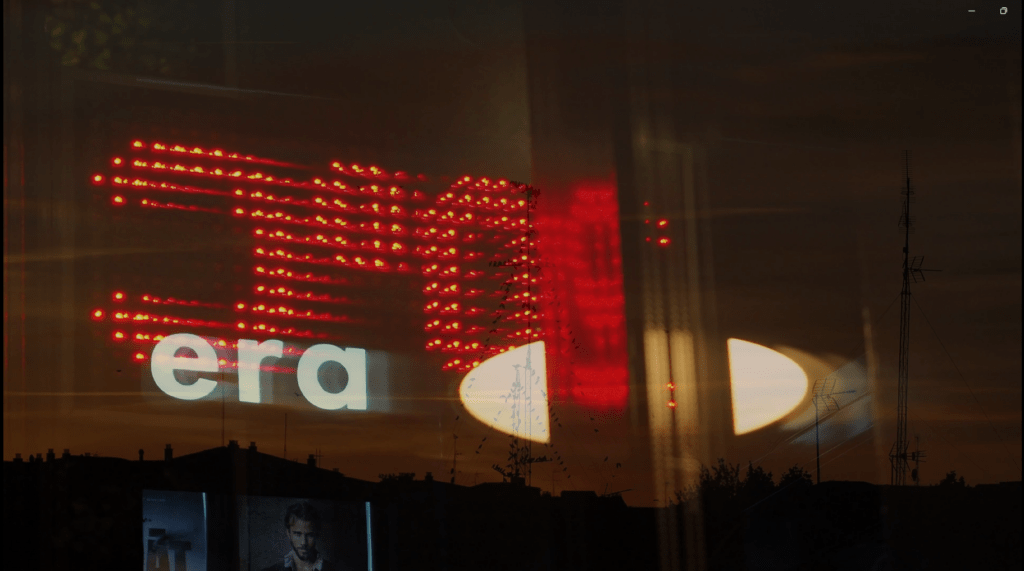
Era (2026), Olga Sofia Escobar Fajardo.
Paraíso will be held on Friday, 5th June at 11:00 a.m. at the Filmoteca de Galicia. As with all the (S8) sessions, entrance is free until all the places are full. After the screening, there will be a debate with the creators, who will get the opportunity to attend the rest of the Mostra’s sessions to discover the highlights of contemporary experimental cinema. Their training will be rounded off by attending the Kinothek Asta Nielsen Masterclass and a Paraíso gathering on the final day of the festival, where they will have the opportunity to chat with the international artists and programmers.
The 17th Mostra Internacional de Cinema Periférico is to be held in A Coruña between 2nd and 7th June, 2026. It is organised by the eSe8 Cultural Association and can count on sponsorship from the Concellería de Cultura e Turismo do Concello da Coruña nd the support of the Axencia Galega das Industrias Culturais da Xunta de Galicia (Agadic), the Deputación da Coruña, the Instituto de la Cinematografía y de las Artes Audiovisuales (ICAA), Acción Cultural Española (AC/E) and the Fundación Luis Seoane.